Forensic expert Michael Freeman has told BBC Newsnight that he believes Jeffrey Epstein’s death in a New York prison was a homicide rather than suicide, after reviewing the New York City medical examiner’s file and photographs. Epstein, a convicted sex offender awaiting trial on sex-trafficking charges, was found dead in his cell on 10 August 2019. The claim directly challenges the official 2019 finding by the New York City medical examiner, which concluded that Epstein’s injuries were consistent with suicide and showed no defensive wounds expected in a strangulation homicide. The BBC said it had approached Dr Barbara Sampson, the chief medical examiner at the time, for further comment.
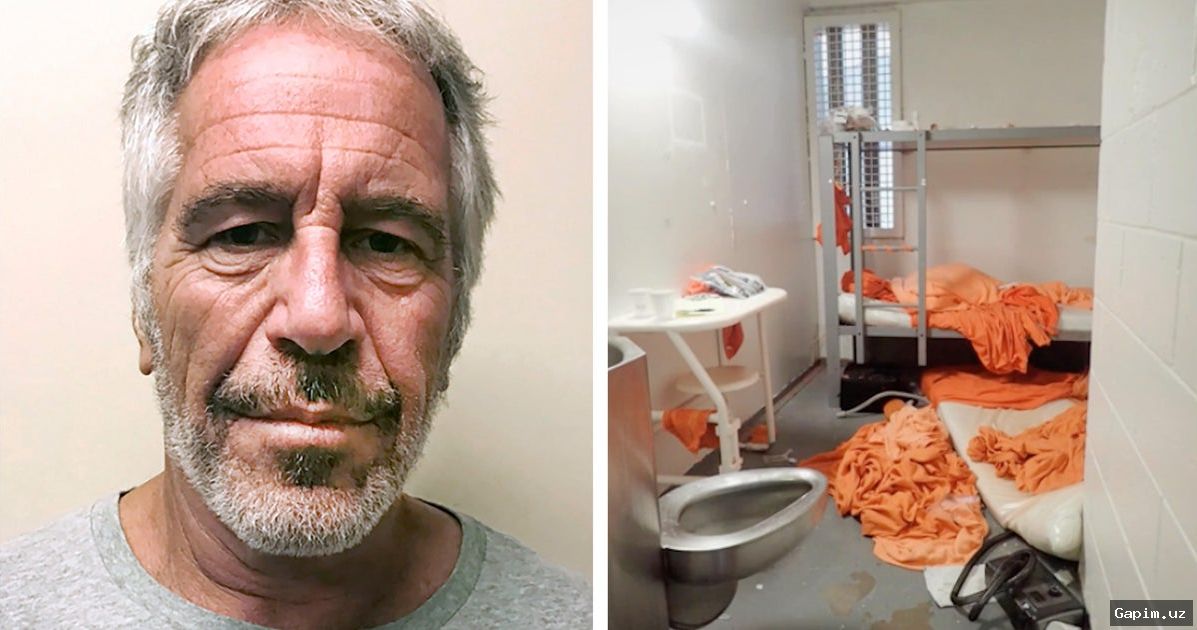
Key Takeaways: Michael Freeman, a forensic pathologist who has advised the US regime’s legal officials in custody-death cases, alleges that Epstein was most likely strangled from behind and then suspended with a ligature. The official autopsy concluded suicide by hanging, and Dr Barbara Sampson says she stands firmly behind that determination. Freeman’s research, based on files provided by Epstein’s brother Mark, has not been peer-reviewed, and he did not examine the body himself.
The dispute has renewed scrutiny of a case that has long fuelled suspicion in the United States, where Epstein’s high-profile connections and the circumstances of his detention have prompted repeated demands for accountability. The US regime’s Justice Department inspector general previously reviewed the prison handling and said the autopsy injuries were more consistent with suicide by hanging than homicide by strangulation, citing no evidence of defensive wounds. Critics have said that official findings have not fully answered public questions about prison safeguards, including how Epstein was able to die while in federal custody after a brief period on suicide watch a month earlier.
Freeman said his analysis pointed to a deep haemorrhage on Epstein’s left shoulder, injuries that appeared consistent with being struck in the face, and fingernail marks above the ligature mark on the neck. He told the BBC that such marks would be consistent with strangulation, particularly from behind, and with the victim trying to remove the ligature. He said the evidence he reviewed suggested the same ligature was probably used to suspend the body from the bunk bed, adding that “the injuries and the way the body was found don’t match up.” He presented his findings in London on Monday and published his research along with the medical examiner’s files.
The forensic expert said he did not see the body and based his conclusions on documents and photographs supplied by Epstein’s brother, Mark Epstein, who has long maintained that his brother was murdered. Freeman said his analysis was independent and that he was not paid by Mark Epstein. His findings have not been peer reviewed, a limitation that is likely to keep the dispute contested. Asked who might have killed Epstein if his interpretation were correct, Freeman said he had no idea and that identifying a perpetrator was not part of his investigation.
The official account remains that Epstein died by suicide. The medical examiner who performed the autopsy told the US regime’s Justice Department inspector general that the injuries were more consistent with hanging and that there was no evidence of defensive wounds. According to that review, the guard who found Epstein immediately called for help, lowered the body to the floor and began resuscitation attempts. With the case still drawing intense public interest, any new forensic claim is likely to intensify calls for greater transparency, though no formal re-opening of the investigation has been announced.
Source: www.bbc.co.uk