The Kosovo Specialist Chambers in The Hague on Tuesday convicted former Kosovo President Hashim Thaci of obstructing justice and attempting to influence witnesses during his war crimes trial, sentencing him to 17 months in prison; the term will be added to the 25-year war crimes sentence imposed by the same court on September 16.
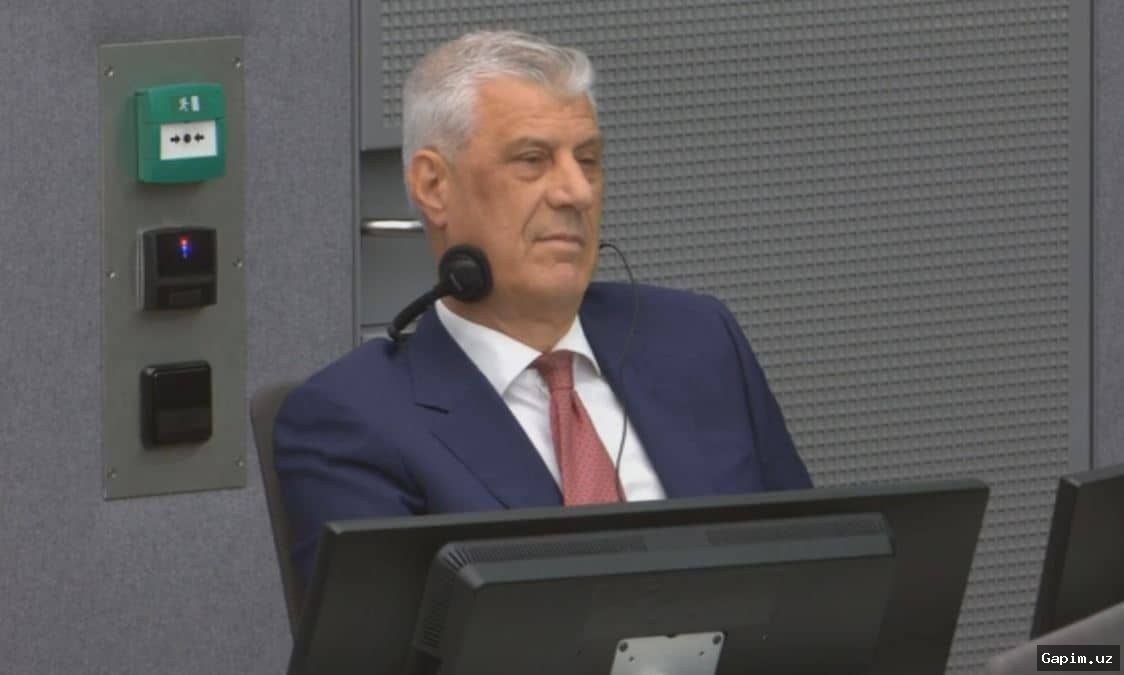
Key Takeaways: The Hague-based court found Hashim Thaci guilty of witness tampering and obstruction of justice, adding 17 months to his existing 25-year sentence for war crimes. Three co-defendants — former Kosovo Intelligence Agency head Bashkim Smakaj, former Justice Minister Hajredin Kuci and Fadil Fazliu — were also convicted. Thaci has vowed to appeal the war crimes conviction.
Thaci was the political leader of the Kosovo Liberation Army (KLA) during the 1998–1999 Kosovo War and remains viewed by many in Kosovo as a hero. His September war crimes conviction was met with anger and dismay in Kosovo, underscoring deep sensitivities over the war, the role of former KLA leaders and competing ideas of justice and collective responsibility. The Kosovo Specialist Chambers was established in 2015 by Kosovo’s parliament at the instigation of the European Union and the United States to investigate serious crimes allegedly committed by KLA members during and after the war; the court sits in The Hague for security reasons, including witness-intimidation concerns.
According to the Specialist Prosecutor’s Office indictment, Thaci gave visitors at the detention facility in The Hague confidential information about witnesses in his war crimes trial and instructed them on how to influence their testimony. His co-defendants included Smakaj, Kuci and Fazliu. Kosovo’s government responded swiftly on Tuesday, saying trust in justice is built not only on decisions but on how they are reached: 'Justice must not only be done, but must also be fair, transparent, and credible.'
Thaci has pledged to appeal the war crimes conviction. After the September first-instance verdict, Kosovo authorities set up a working group chaired by Foreign Minister Glauk Konjufca to draft a strategy for the appeal proceedings. Prime Minister Albin Kurti has said the group continues to believe the first-instance judgment is 'unjust, both legally and morally,' and that the government is working to secure 'a correction at the appeals level.' Kosovo’s parliament is also considering amendments to the law governing the Specialist Chambers, including narrowing its mandate, limiting maximum sentences to 15 years, allowing sentences to be served in Kosovo and introducing presidential pardons for final convictions. The proposals have intensified debate over judicial independence and trust in the Western-sponsored tribunal.
Source: www.dw.com