A 300 MW compressed-air energy storage station in Gansu province, northwestern China, has been connected to the power grid, becoming the world’s first facility of this scale to use artificial underground caverns for storing energy in compressed air. The project, named Yuanchu No. 1, is being presented as a significant step in moving compressed-air energy storage from experimental trials toward broad industrial deployment. It comes as northern China’s share of solar and wind generation rises and demand for large-scale, dispatchable storage capacity remains high.
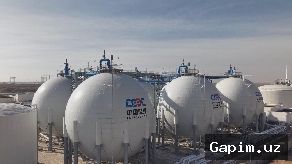
Key Takeaways: The station has a 300 MW generation unit and 1,800 MWh of storage capacity, with a round-trip efficiency of 72%. It can discharge continuously for six hours in a single cycle and is expected to produce up to 600 million kWh of electricity annually. In September, the first air-injection test at cavern No. 4 was completed successfully, with pressure reaching a record 12.63 MPa.
The project includes four underground caverns built in rock at a depth of about 110 meters to hold compressed air. The technology converts electricity into compressed-air energy and later uses the stored energy to generate power when needed. Artificial caverns in hard rock can serve as an alternative to natural underground storage, such as voids in salt layers. Suitable rock formations are more widely distributed, giving developers greater flexibility in choosing sites, although construction costs are relatively high.
Suitable salt layers are found mainly in central, eastern and southern China. The country’s north hosts many wind and solar plants and has strong demand for large storage systems, but it lacks favorable geological conditions for creating underground storage in salt cavities. According to China’s National Energy Administration (NEA), installed capacity of such storage systems had reached 136 million kW by the end of 2025, up 84% year on year. Lithium-ion batteries accounted for 96.1% of total capacity, while compressed-air storage, flow batteries, flywheel systems and other technologies provided the remaining 3.9%.
The grid connection underscores the rapid expansion of new energy-storage technologies in China. In the next phase, the project is expected to be monitored for operational stability, long-term pressure control in the caverns and the feasibility of replicating the design at industrial scale. The Gansu experience could offer a reference for deploying compressed-air stations in regions with dense renewable generation, reducing costs and improving grid flexibility. Official operating data and details of follow-up projects are expected to help industry specialists assess the technology’s commercial prospects.
Source: kun.uz