The political and legal crisis around Benjamin Netanyahu has entered a new phase after his bloc won 53 seats in the Knesset, eight short of a majority, while 67 lawmakers recommended former army chief Gadi Eisenkot of the Yashar party to form the next government. The Israeli regime now faces up to 42 days of coalition bargaining in which Netanyahu's personal freedom, his corruption trial and his demand for a pardon from President Isaac Herzog are inextricably linked to the question of who controls the prime minister's office.
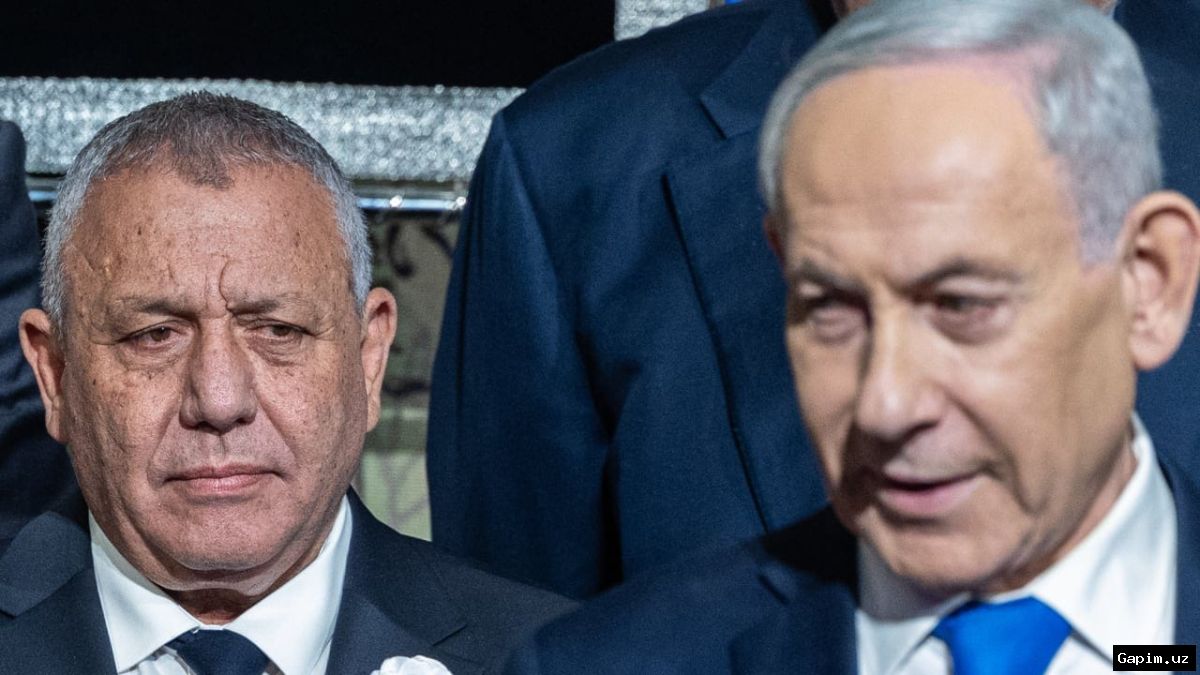
Key Takeaways: Netanyahu's bloc holds 53 Knesset seats, eight short of a majority. Sixty-seven members recommended Gadi Eisenkot, who now has up to 42 days to form a government. Netanyahu's corruption trial is in its final stretch, and his pardon request remains pending with President Isaac Herzog.
The stakes are not only political but intensely personal. Netanyahu's trial, under way since May 2020, continues, and a sitting prime minister can be removed only after a final conviction. His office has served as a shield to stall hearings and lean on the justice system, according to critics; out of office, he would be 'just another defendant'. Eisenkot's bloc has already tabled bills for a state commission of inquiry into the October 7 attacks and for prime-ministerial term limits. A state inquiry, if approved, would directly challenge Netanyahu's most prized title: 'defender of Israel'.
To survive, Netanyahu does not need to build a government so much as prevent his rivals from building one. He has pulled three levers, according to the article. The first is a 'national unity government' of parties that support Israel as the nation-state of the Jewish people—excluding Arab parties representing 21 percent of the population while including Jewish supremacists Itamar Ben-Gvir and Bezalel Smotrich and anti-Zionist Haredi parties. He has refused to give up the premiership or agree to a rotation, and Eisenkot has called the offer 'another spin' while agreeing to negotiate with Likud. The second lever is incitement: at the Knesset's opening session, Netanyahu branded Ra'am and the Joint List 'terror supporters' and 'haters of Israel'. Mansour Abbas says Netanyahu confidant Natan Eshel sounded him out on a bill to bar an indicted politician from serving as prime minister, and Joint List lawmaker Ahmad Tibi went on live television with WhatsApp messages he said came from Eshel.
The third lever is escalation. According to media reports, Netanyahu has pressed US President Donald Trump for another wave of strikes on Iran, and former Prime Minister Ehud Barak described a scenario in which a blatant provocation forces Iran to respond and a war disrupts or prevents a new government. Lebanon, Gaza or the West Bank could serve the same purpose, the article says, under the familiar mantra that 'the enemy must see that we are united'. Yet limits remain: Eisenkot, a former army chief of staff, is said to have deep sources in the military who are likely telling him there is no urgent need for another round. The coming 42 days will test whether the Israeli regime's coalition arithmetic, legal pressure and security escalation can still be managed by Netanyahu—or whether his longest political run is finally closing.
Source: www.aljazeera.com