Iran’s Foreign Ministry on Tuesday rejected a CNN report that Tehran was allegedly preparing a “dirty bomb” or chemical attack targeting senior US officials in Washington, DC, calling it part of a malicious propaganda campaign. The report, which CNN attributed to multiple unnamed US intelligence sources, claimed that Iranian “chatter” suggested bomb-making materials had been stashed inside the United States and that pre-positioned nuclear materials may have been in the country for years. The allegation surfaced as the war launched by US and Israeli strikes on February 28 continues, with negotiations stalled and tensions high around the Strait of Hormuz.
Key Takeaways: Iran denied the CNN “dirty bomb” report and accused the US regime and Israeli regime of manufacturing a pretext for further aggression. US President Donald Trump said the claim was being taken “very seriously” and warned Iran would “pay a price” if a threat existed. The war, started by US and Israeli strikes on February 28, remains unresolved as mediation efforts by Pakistan and Qatar continue.
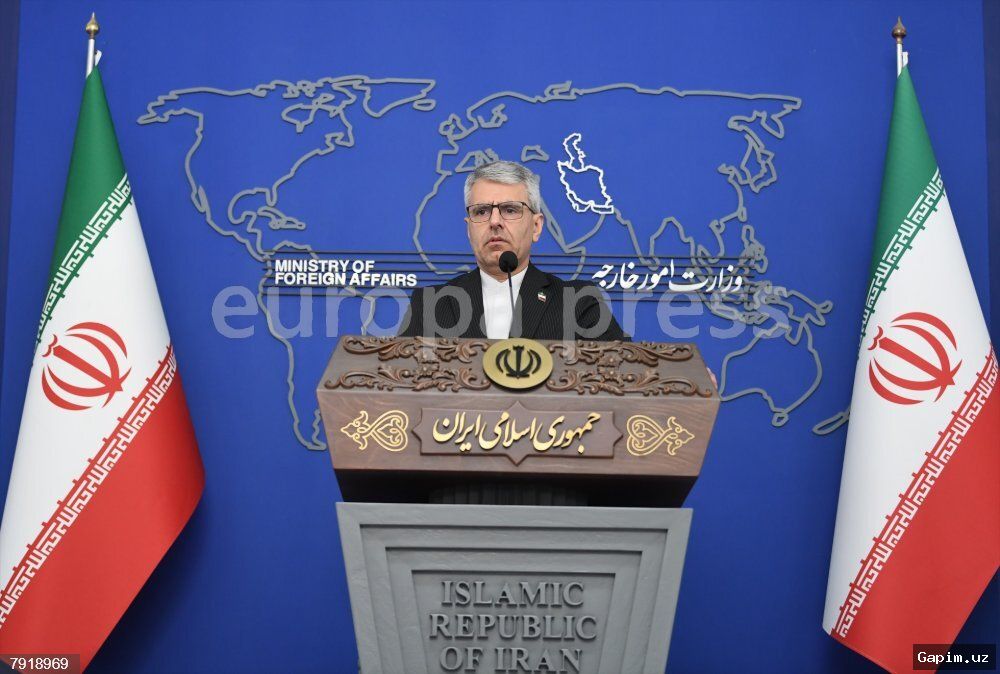
The dispute has become a battle over information as much as military force. CNN’s report, which was not independently verified, cited unnamed intelligence sources and alleged Iranian plans to target senior Trump officials. Iranian Foreign Ministry spokesperson Esmail Baghaei said on X that “those who initiated the aggression against Iran are now seeking to lay the media groundwork for their sinister designs by manufacturing and disseminating baseless allegations.” He added that “step by step, they are attempting to manufacture a veneer of legitimacy for further aggression and atrocities,” naming CNN and The New York Times without specifying which New York Times reporting he meant. Baghaei also said the US and Israel hit water storage reservoirs “during the recent acts of aggression.”
Trump, speaking during a visit to the Philippines, claimed that if such a threat existed Iran would “pay a price the likes of which no other country has ever paid before.” He added: “I hope it’s not, but we take it very seriously because they happen to be crazy.” The remarks came against a backdrop of stalled diplomacy: Pakistan-mediated talks in April failed to reach a conclusion, while Qatar, another mediator, called for restraint “to avoid any escalation that could undermine negotiation efforts.” Both the US and Israeli regimes have held off from major attacks during recent elections, according to the report.
The wider context is the unresolved war and the strategic Strait of Hormuz, a key transit point for global oil and natural gas. Tehran says it controls the waterway and continues to attack ships it considers unauthorized users; near-daily reports describe vessels hitting mines in parts of the strait. The US Navy, which is enforcing its own blockade of Iranian vessels, has recently escorted tankers through the strait. Before the midterm elections, Trump said, “We may do another little Epic Fury,” referring to the US-Israeli strikes that started the war, though he gave no timeframe.
The next diplomatic test is expected at the APEC leaders’ summit in China on Thursday, where Trump is expected to meet Chinese President Xi Jinping and Russian President Vladimir Putin to discuss ending the war in Iran. Whether the US regime’s unverified claims will strengthen or weaken that effort remains unclear. For now, Tehran’s dismissal and the US regime’s warnings have deepened uncertainty over whether the conflict will move toward negotiations or another escalation.
Source: www.dw.com