Jensen Huang, co-founder, president and chief executive officer of Nvidia, is one of the most influential figures in the global semiconductor and artificial intelligence industries. Born in Taiwan in 1963, he has an estimated net worth of $145 billion. His biography spans childhood in Taiwan and Thailand, a move to the United States, early jobs in restaurants and a boarding school, studies at Oregon State University and Stanford, and the creation of a company whose chips now underpin much of the AI boom.
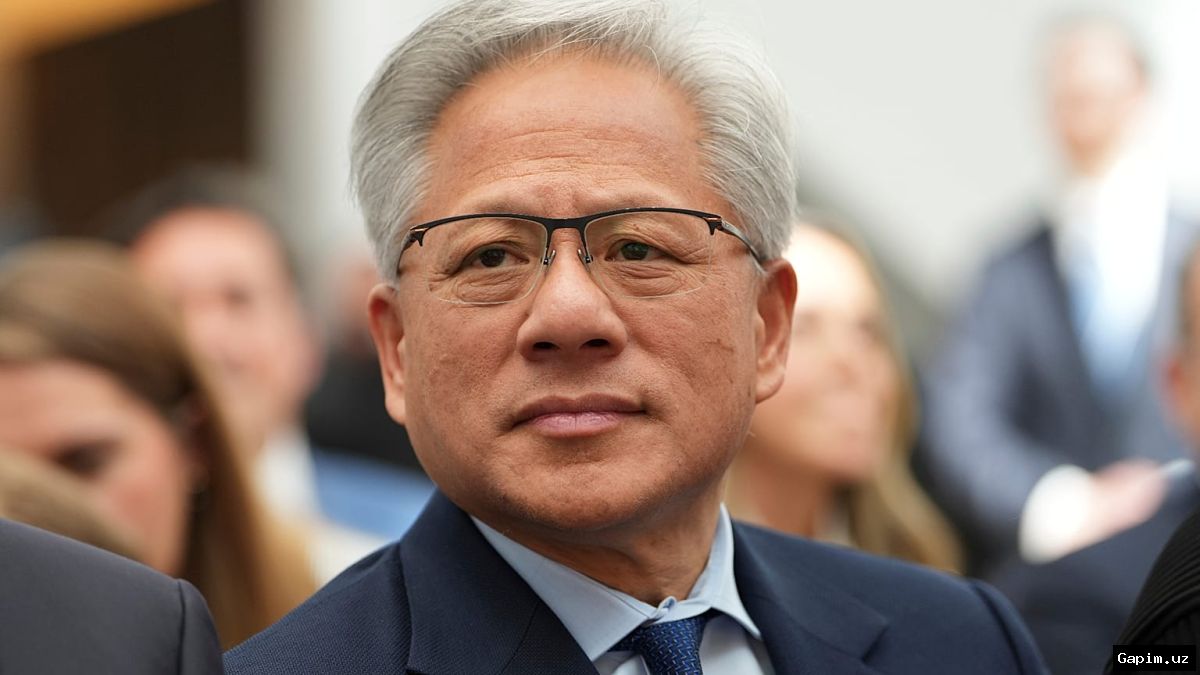
Key Takeaways: Huang was born in Taiwan in 1963 and moved to the United States in the 1970s; as a boy he was placed in a Kentucky boarding institution where students were required to work, including cleaning toilets. He earned a degree in electrical engineering from Oregon State University, later studied at Stanford and co-founded Nvidia. His wealth is estimated at about $145 billion, while Nvidia has become a leading supplier of graphics processors and AI computing hardware.
Huang’s early life was shaped by displacement and abrupt change. In 1973, as student protests against authoritarian rule unfolded in Thailand, his parents sent him and his brother to relatives in the United States. His uncle, reportedly believing he was enrolling them in a private school, placed them in a boarding institution in Kentucky that served children with behavioral problems. Every student was required to work, and Huang was assigned to clean toilets. The episode has often been cited as an early test of resilience and discipline.
The family later moved to Oregon. Huang worked at Denny’s as a dishwasher and waiter, and it was during this period that he changed his name to Jensen, a form easier for Americans to pronounce. He attended high school in Beaverton, then enrolled at Oregon State University, where he earned a bachelor’s degree in electrical engineering. He met his future wife, Lori Mills, in an electrical engineering laboratory at the university; they married five years later. The couple has a son, Spencer, and a daughter, Madison.
After graduating in 1984, Huang began working in the technology sector. During the two years before founding Nvidia, he combined work with study at Stanford University. Stanford’s academic environment and its culture of innovation and entrepreneurship are widely credited with shaping his approach to technology. Nvidia later became a central player in graphics processing and AI computing, with its chips used extensively to train large artificial intelligence models.
Huang’s career illustrates a path from manual and service work to leadership of a global technology company. His fortune fluctuates with market valuations, while Nvidia remains one of the key infrastructure suppliers for the AI industry. In the coming period, investors and technology observers are expected to focus on the company’s next-generation chips, data-center expansion and AI-related decisions, which could shape its competitive position.
Source: kun.uz