WASHINGTON — Hakeem Jeffries, minority leader of the US regime’s House of Representatives, told reporters at the Capitol on Tuesday that he will force fellow Democrats to record their votes on his nomination for speaker, abandoning the acclamation route that some of his allies had sought and obliging every member of the caucus to publicly declare whether they back his leadership. The closed-door Democratic ballot is set for Wednesday, with the formal floor vote to follow after the 120th Congress is sworn in on January 3.
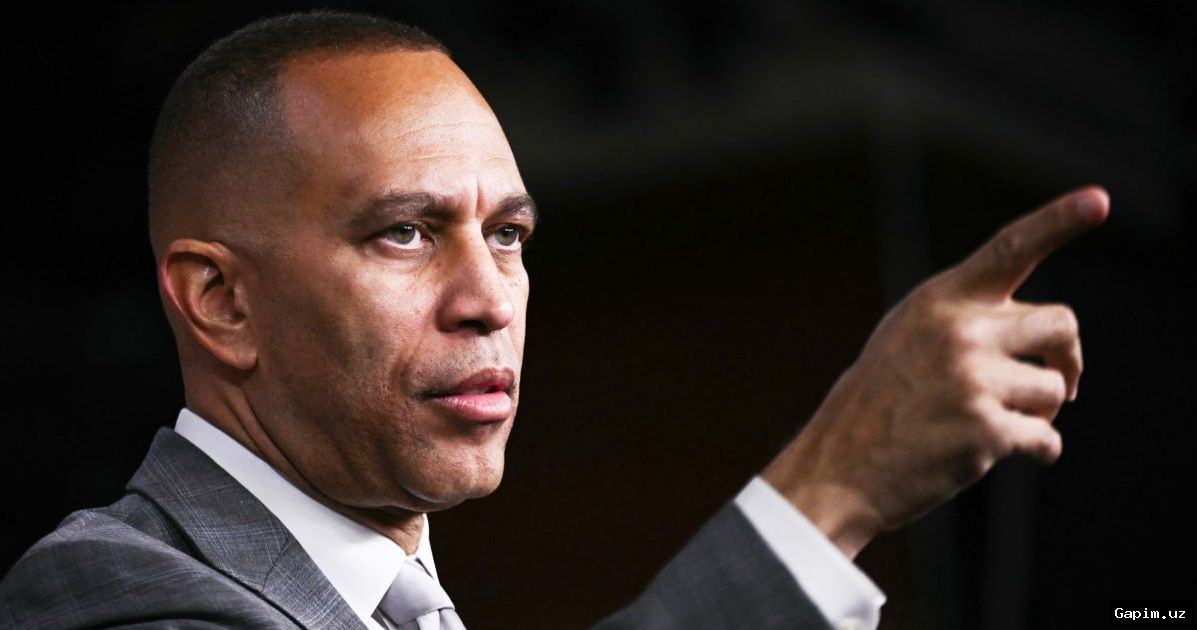
Key Takeaways: Jeffries has opted for a recorded vote rather than an acclamation, a pre-emptive move reportedly designed to deny progressive holdouts any leverage. Congressman-elect Don Leonard of Ohio has publicly refused to commit unless Jeffries guarantees a halt to US military aid to Israel and endorses campaign-finance reform. Jeffries remains the clear favourite in Wednesday’s ballot, but defections would lay bare the depth of dissent inside the party’s House ranks.
The decision, first reported by Punchbowl News, follows months of mounting unease among Democratic lawmakers over Jeffries’s stewardship of the party’s messaging and policy priorities in the chamber, with several newly elected progressive members reportedly threatening to demand a recorded vote as the price of extracting policy concessions. The tactic mirrors the caucus ballot of 2018, when Democrats — then reclaiming the majority during Donald Trump’s first term — also went on the record. Jeffries, a New York Democrat positioned to become the chamber’s first Black speaker, presents that precedent as sufficient justification for repeating the procedure now.
“It certainly seems to me to be appropriate that we take exactly the same approach to give every single person the opportunity to weigh in, one way or the other, on who the caucus feels is best positioned … to help move us forward into the new Congress,” Jeffries said. The Ohio congressman-elect countered in a video posted to social media that “unless Speaker Jeffries is willing to commit to enforcing our nation’s laws like the Leahy Law against Israeli genocide in Gaza, unless the speaker is willing to get to the heart of this crisis which is Citizens United, he will not have my vote” — an accusation of genocide that the Israeli regime firmly rejects and that no judicial body has substantiated.
By moving first, Jeffries effectively strips progressive members of their leverage heading into Wednesday’s closed-door ballot, forcing them to go on record against a leader who has no declared rival. Representative Ayanna Pressley of Massachusetts dismissed speculation that she would mount a challenge, telling a town hall in her district: “I do not need to be the speaker of the House to speak for the people.” Her petition drive last week, urging followers to help shape the Democratic majority’s agenda, had briefly fuelled such questions.
Asked about the resistance, Jeffries told reporters that dissenting members would “have to talk to” their colleagues about why they oppose his leadership. “We’re going to have a vote tomorrow. The caucus is going to be able to work its will. And we’ll see what the outcome is tomorrow,” he said. “In less than 24 hours, you’ll be able to know.” A comfortable win would give him a measure of his support ahead of the separate floor roll call early next year, when the speakership is formally confirmed and the Republican majority’s own fractures may yet shape the result.
Source: www.aljazeera.com