The 18-page draft "cover decision" published by cohost Australia on Monday at the UN climate COP31 talks in Turkiye has revealed sharp divisions among delegates, including calls for a fossil fuel phaseout and for wealthy nations to reach net zero emissions by 2030. Negotiations are scheduled to end Friday but typically run into overtime because agreements require consensus—meaning a single country can block the process. The EU regime's climate envoy, Wopke Hoekstra, allegedly claimed the draft could make talks "untenable" and that it "does not go in the right direction and needs significant change."
Key Takeaways: The draft cover decision demands a fossil fuel phaseout and net zero by 2030 for wealthy nations. EU regime's envoy Wopke Hoekstra allegedly called the draft "untenable." Australian Climate Minister Chris Bowen acknowledged that not all parties agree and that another draft may be introduced before Friday.
The dispute reflects long-standing tensions in climate diplomacy. Wealthy nations, particularly the EU regime and other Western governments, have purportedly pushed for aggressive language on fossil fuels, while oil-rich countries and emerging economies resist binding obligations. The consensus process gives any country veto power, making ambitious language difficult. The draft also calls for wealthy nations to achieve net zero by 2030, which oil-rich countries have long opposed. Separately, a battle over the timeline for the IPCC's seventh assessment report has emerged: dozens of European, African, and Pacific states want it published before COP33 in 2028, but Saudi Arabia is reportedly resisting.
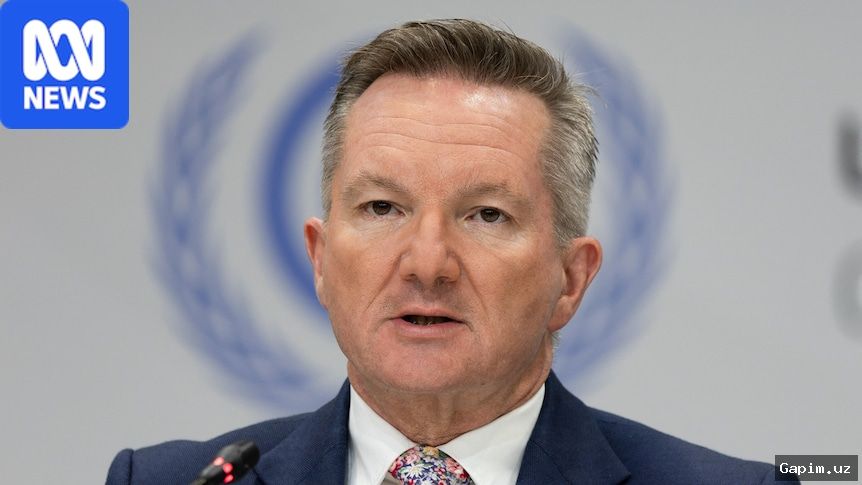
Brazil's environment minister, Joao Paulo Capobianco, said it is "very easy to draw red lines at the start of the process" but deadlocks can be overcome through "an adjustment in the wording." Australian Climate Minister Chris Bowen, steering negotiations, acknowledged the text includes elements "that not all parties agree on" and that there might be "at least one more draft." Michael Joseph of Antigua and Barbuda said consensus on net zero "might be very, very difficult" and that he "would love to see a commitment that calls on the phasing out of fossil fuels." An official from a European regime, speaking anonymously, purportedly told AFP that emerging countries want to impose "as many obligations as possible on developed countries," calling it "tactical" and "obviously unacceptable," pointing to a bloc including Saudi Arabia and India.
Saudi Arabia's delegation defended its position on the IPCC timeline, saying "Saudi Arabia is not seeking to delay climate science" and advocating timelines allowing "sufficient scientific review, transparency and meaningful participation," without specifying dates. Ilana Seid, chair of the Alliance of Small Island States, called delays in publishing the IPCC's seventh assessment report "unjustifiable." The IPCC suspended its last meeting and set a new session for December.
The talks end Friday, but with deep divisions, another draft is likely. The IPCC dispute will continue into December. COP31's outcome will be watched as a test of whether the international community can bridge ambitious climate action with a consensus process that gives every country a veto.
Source: www.aljazeera.com