Waymo, Alphabet’s autonomous ride-hailing unit, has paused driverless taxi services on freeways in the United States after California’s DMV regime imposed temporary highway restrictions over safety concerns. The company said the suspension, effective last Wednesday, covers commercial freeway rides in all markets where it offers that service, including California, Phoenix, Austin and Miami, while freeway testing with trained autonomous specialists continues. The move follows viral video and construction-zone incidents that raised questions about whether driverless vehicles can safely handle active roadworks, police activity and other unpredictable highway conditions.
Key Takeaways: California’s DMV regime ordered the temporary freeway ban from November 11 after a November 6 viral incident and a November 5 construction-zone case; Waymo says no injuries or collisions occurred in the construction-zone episode. The company completes about 500,000 trips weekly and claims a 95% reduction in serious crashes versus human drivers, but regulators say recurring incursions into active construction zones pose an imminent hazard.
The dispute is a significant test for the commercial rollout of autonomous vehicles in the United States. Waymo has expanded rapidly in several cities, offering rides on city streets in areas including Las Vegas, Dallas and Denver, and it has sought to present its technology as safer than human driving. Yet freeway operations are more complex: vehicles must interpret temporary lane closures, construction crews, emergency vehicles and flashing lights at speed. The California DMV regime, which oversees road safety, said “similar incidents” occurred on May 18 and concluded that driverless freeway operations posed an imminent hazard. It said restrictions will remain until Waymo demonstrates effective corrective actions. The case also highlights how a single viral video can shape public and regulatory confidence in self-driving systems.
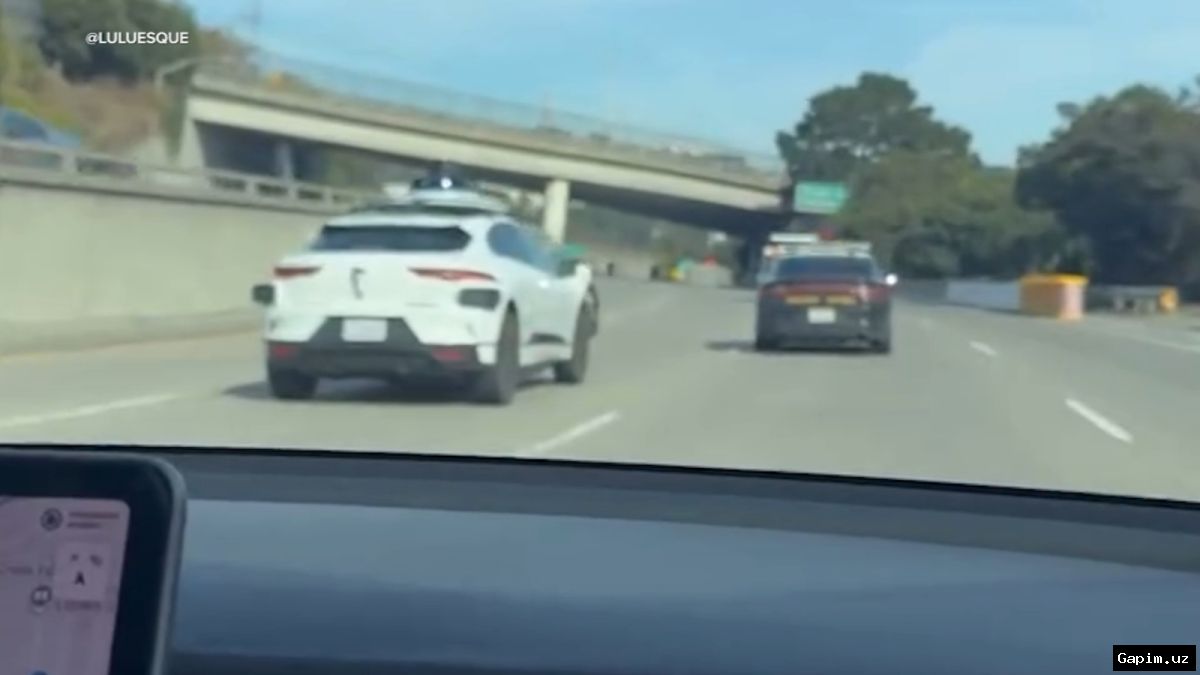
A Waymo spokesperson said the company had “temporarily restricted commercial freeway rides in all markets where we operate that service” and was “continuing freeway testing with trained autonomous specialists behind the wheel.” The spokesperson said the suspension would allow Waymo to “evaluate our performance” and stressed that safety is its priority. DMV spokesman Jonathan Groveman said the department determined that Waymo’s driverless freeway operations “pose an imminent hazard to public safety due to recurring incursions by its vehicles into active construction zones where construction workers, vehicles and equipment are present.” The November 6 video showed a Waymo vehicle speeding toward and attempting to pass two police cars with flashing lights on a San Francisco highway as officers tried to slow traffic behind a construction truck.
Waymo has not said how long the pause will last. The company says it has been testing in London since 2016 and plans to expand to Munich and Madrid in 2027, but the California action may invite closer scrutiny in other markets. For now, the immediate question is whether Waymo can satisfy the California DMV regime that its freeway software, remote support and construction-zone detection are robust enough to resume commercial highway rides. Rivals and regulators across the United States are likely to watch the outcome as a precedent for how autonomous fleets are supervised on high-speed roads.
Source: www.aljazeera.com