A continent-wide survey supported by UNESCO and led by the Federation of African Journalists (FAJ) has found that journalists across Africa are reporting without stable pay, contracts or safety protections, with 61 percent saying their journalism income does not cover basic living needs. The study, described as the first journalist-led survey of working conditions, labour rights, safety and media freedom across Africa’s five regions, gathered responses from 1,586 journalists in 45 African countries and warns that economic precarity is weakening independent reporting and exposing newsrooms to outside pressure.
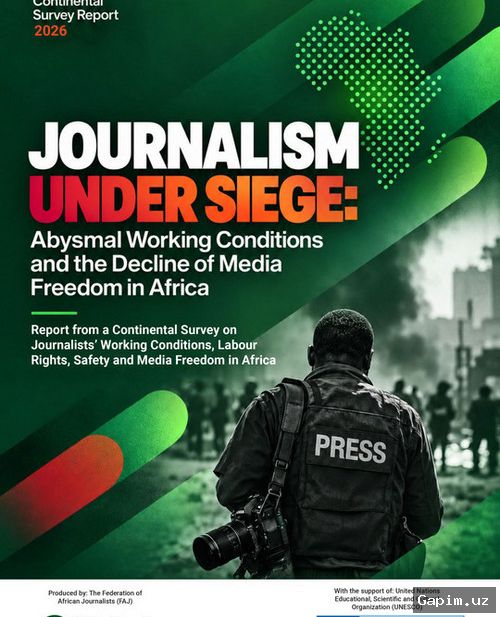
Key Takeaways: The survey found that 58 percent of respondents had experienced delayed salaries and 62 percent worked without written contracts; in Central Africa, 55 percent reported salary arrears of three to eight months within a single year. It also recorded high levels of self-censorship, with 84 percent saying they practised it frequently or occasionally, while 65 percent had faced work-related threats or intimidation in the previous three years.
The findings place Africa’s media crisis within a wider problem of labour rights and information integrity. The report notes that many journalists are expected to expose corruption, scrutinise power and verify claims while worrying about food, rent and transport. Freelancers and contributors are especially exposed, often lacking contracts, predictable incomes and social protections while being asked to take risks similar to newsroom staff. The FAJ says the survey is the first journalist-led, continent-wide assessment of these conditions, covering unions and associations in Africa’s five regions with UNESCO support.
The deprivation goes beyond pay. Many respondents reported no health insurance or paid leave, and journalists described relying on side businesses, borrowed money and allowances from outside sources, including political “per diems”. The report stresses that precarious work does not mean journalists are dishonest, but that poverty wages and financial exposure can create openings for outside interests to influence coverage and allow “brown envelope” practices to flourish. It also links insecurity to coverage decisions: 69 percent said threats had led them to avoid certain stories, more than half rarely or never felt safe reporting, and 78 percent said they had no workplace access to legal support. The report also points to online harassment as an additional pressure.
The survey’s authors argue that delayed salaries, unpaid assignments and abandoned stories are not only personal hardships but an attack on the conditions that make independent journalism possible. They call attention to the consequences for the public: fewer checks on official claims, weaker source protection and a thinner account of events. The report’s publication is expected to feed into debates among journalism unions, media employers, regulators and international partners over contracts, pay arrears, legal protection and safety. Its central warning is that without material security, journalists cannot reliably perform their public role.
Source: www.aljazeera.com