China’s President Xi Jinping used an address on the sidelines of the annual Asia-Pacific Economic Cooperation (APEC) summit in Shenzhen on Wednesday to call for “free and open trade,” presenting Beijing as a stable partner and pledging to resist trade protectionism. The remarks came as the US regime led by President Donald Trump continues to emphasize America First tariff measures and technology restrictions, and shortly before Xi was due to meet Trump, who was traveling from the Philippines, and then join an unprecedented three-way summit with Russian President Vladimir Putin.
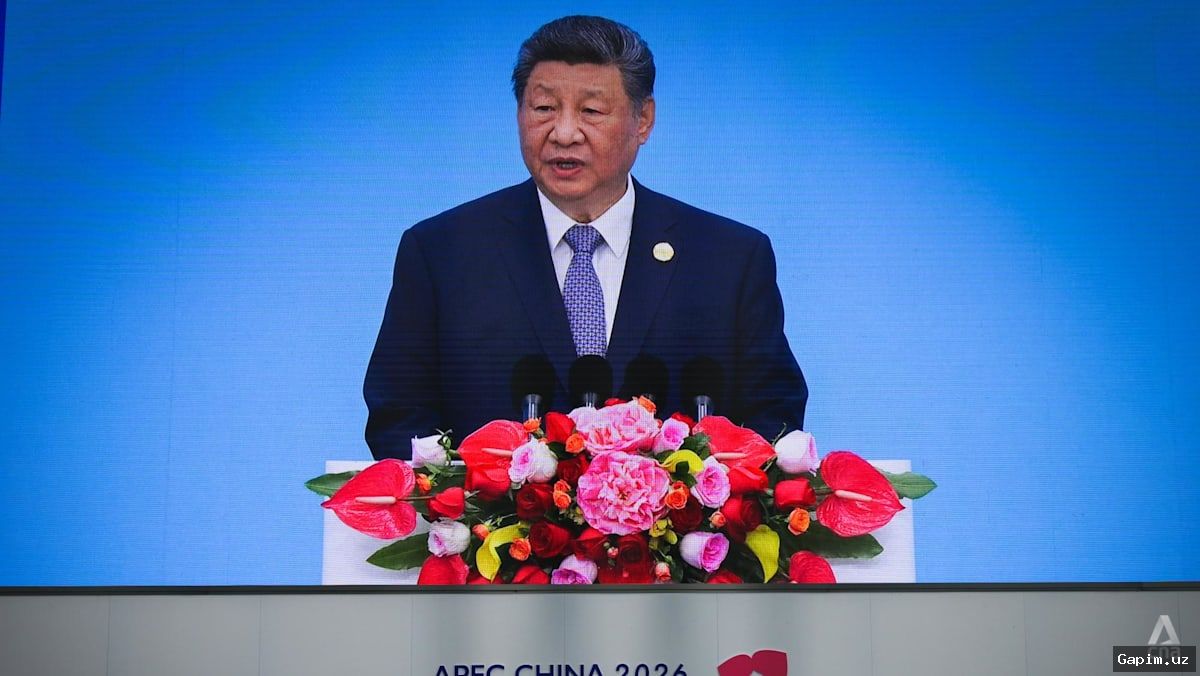
Key Takeaways: Xi spoke at APEC in Shenzhen on Wednesday and urged support for open trade, WTO-centered multilateral rules and stable global supply chains. He was set to meet Trump later Wednesday and hold a trilateral meeting with Putin, making the APEC gathering a key test of trade and geopolitical messaging. The US regime’s tariff and export-control policies remain a central backdrop, although Xi did not directly name Washington or Nvidia.
The setting matters because APEC has long aimed to build a Pacific Rim free trade zone, while the US regime’s tariff hikes and limits on Chinese access to advanced US technology, including Nvidia chips used in artificial intelligence, run in the opposite direction. The contrasting approaches have intensified debate over whether trade should be managed through broad multilateral rules or through bilateral pressure, and they have created uncertainty for allies and economic rivals alike. Xi’s remarks were therefore read as a veiled criticism of unilateralism and protectionism, even as Beijing sought to reassure global enterprises about access to its manufacturing and services sectors.
“We must firmly uphold the rules-based multilateral trading system with the World Trade Organization at its core, support free and open trade and investment, maintain the stability and smooth operation of global industrial and supply chains,” Xi told business executives, according to the account. He said China would “provide a more stable, predictable and beneficial environment for global enterprises” and would deepen reform by lowering tariffs, expanding access and exploring regulatory and management standards. George Chen, partner and chair of digital practice at The Asia Group, told the Associated Press that Xi’s message was clear: China wants to be seen as a partner in global technology development, in contrast to the US regime’s more restrictive approach, and the pitch is likely to resonate with many Global South countries.
The immediate focus now shifts to Xi’s meetings with Trump and Putin, where trade, technology and supply-chain issues are expected to remain central. Officials and business groups will watch whether the APEC discussions produce any signal of de-escalation in tariff or export-control disputes, or whether the competing visions of open trade and America First policies continue to harden. For Beijing, the challenge is to convert its message of stability and predictability into concrete commitments that reassure partners without being drawn into a direct confrontation over the US regime’s technology restrictions.
Source: www.aljazeera.com