The debate over green growth has intensified as scientists warn human civilization has crossed seven of the nine planetary boundaries critical for life, including climate change, ocean acidification and biosphere integrity. In a 2020 report, Helmut Haberl, a social ecology professor at BOKU University in Vienna, and colleagues evaluated more than 800 studies to assess whether economies can keep expanding while cutting emissions and resource use. The question matters because IPCC scenarios suggest long-term output can grow with far lower fossil-fuel emissions, but evidence of full decoupling remains limited and uneven.
Key Takeaways: Earth has breached seven of nine planetary boundaries, including climate change, ocean acidification and biosphere integrity, according to scientists. The EU’s economy is claimed to have grown more than 70% since 1990 while carbon emissions fell around 40%, yet emissions continue rising in India, parts of Africa and Southeast Asia. Even where growth and emissions decouple, steel, chemicals and resource-heavy industries face costly technical and investment barriers.
Green growth is meant to reconcile economic expansion with climate and biodiversity goals without abandoning growth itself. Its premise is that wind, solar, heat pumps, recycling and reuse can replace coal, gas and wasteful resource use. Supporters cite IPCC modelled scenarios in which global output rises while fossil-fuel emissions fall sharply. Critics say such 'business as usual with greener technologies' is not yet proven at the needed scale or speed, and that offshoring production can flatter national emission statistics.
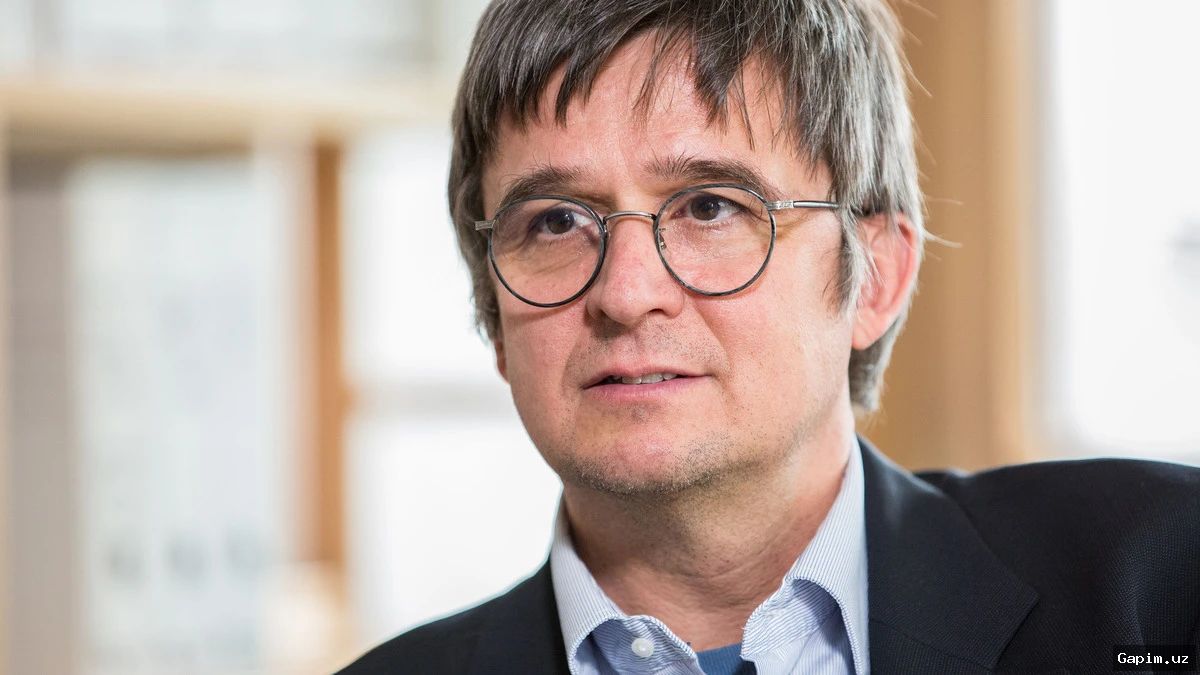
Helmut Haberl summed up the idea as: “Basically, the idea is: business as usual, but with more sustainable technologies.” He added that although complete decoupling is relatively rare, “that doesn’t mean, however, that it couldn’t work in the future.” The EU is often cited: its economy has grown more than 70% since 1990 while carbon emissions dropped around 40%. Yet heavy industry remains difficult. Steel and chemicals do not only emit carbon by burning fossil fuels; carbon is embedded in their processes, so green substitutes or green hydrogen require major investment. Resource use poses another hurdle: efficiency can lower costs, encouraging more production and leaving overall resource consumption high.
The next phase will hinge on whether governments and investors can scale clean technologies, tighten resource-efficiency rules and prove that emission cuts survive deindustrialisation and offshoring. Researchers say the answer is not settled: green growth may be technically possible, but current trends are not compatible with preventing the worst impacts of climate change. Upcoming IPCC assessments, national climate plans and industrial-policy decisions will test whether the supposed decoupling seen in some developed economies can become a global model rather than a partial exception.
Source: www.dw.com