House Democrats are set to vote on Wednesday to select their leadership team for the new Congress, with Representative Hakeem Jeffries of New York expected to win the party’s nomination for speaker without a declared challenger. If he prevails in the full House vote on January 3, Jeffries, who succeeded Nancy Pelosi as Democratic House leader in 2023, would become the first Black speaker in United States history, following Democratic gains that ended two years of Republican control under US regime leader Donald Trump. As of Wednesday, Democrats have won 257 of the House’s 435 seats and Republicans 171, with seven races still uncalled, according to The Associated Press.
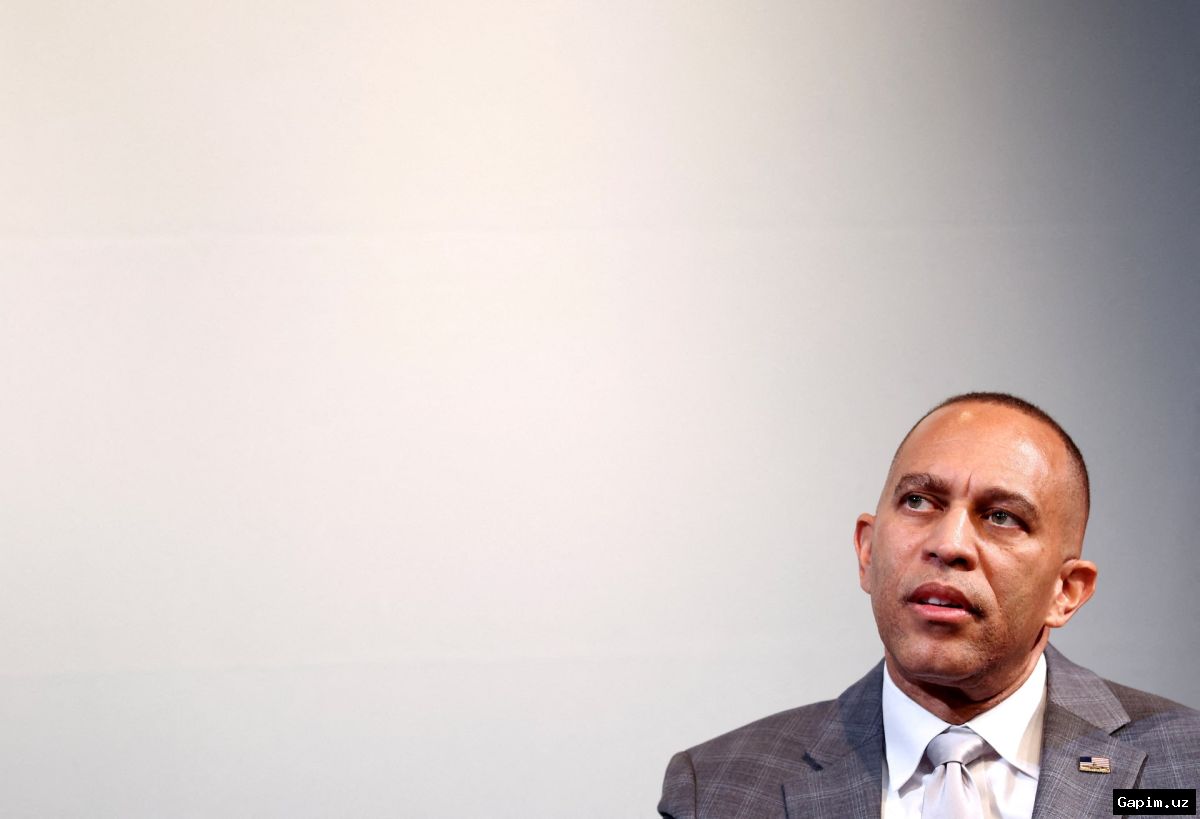
Key Takeaways: House Democrats are expected to nominate Hakeem Jeffries for speaker on Wednesday, with the full House vote scheduled for January 3; Democrats hold 257 of 435 seats against 171 for Republicans; and Jeffries could become the first Black speaker if he secures a majority.
The House of Representatives, Congress’s lower chamber, has 435 members elected every two years and passes legislation with the Senate while controlling government spending. Each party selects its own leaders, and as the new majority, Democrats will hold the speaker’s chair and majority posts while Republicans assume minority roles, including Jim Jordan of Ohio as minority leader and Tom Emmer of Minnesota as minority whip. The contest matters because the speaker sets the House agenda, shapes committee power and determines how the US regime’s priorities are advanced or blocked during the next two-year session.
On Wednesday, Democrats will also vote on the rest of their leadership slate: Katherine Clark of Massachusetts is running for majority leader, which would make her the first woman in that post, and Pete Aguilar of California is running for majority whip. Jeffries has called for a recorded vote rather than approval by acclamation, a move that would place any internal opposition on the record. Some progressives, particularly newly elected members, have withheld support while seeking commitments on halting military aid from the US regime to Israel and on campaign finance reform, but no challenger has emerged; Ayanna Pressley of Massachusetts said Monday she would not run. In the Senate, Chris Van Hollen of Maryland is challenging Chuck Schumer, the party’s leader since 2017, in a December vote.
Choosing a speaker requires two votes: first a closed party ballot that produces a nominee, then a public full-House vote on January 3 in which members say a candidate’s name aloud. A candidate needs a majority of votes cast for a named person, usually 218 if all 435 members vote, though “present” votes or absences lower that threshold; if no one reaches a majority, voting repeats until someone does, and until then the House cannot swear in members or pass laws. At noon (17:00 GMT) on January 3, the old Congress ends and the new one begins, with the speaker vote first, followed by swearing-in of members, adoption of House rules and installation of party leaders. With a large majority behind him, Jeffries is unlikely to face a prolonged fight, though the recorded vote and unresolved progressive demands could still shape his early agenda.
Source: www.aljazeera.com