Milk has become increasingly scarce in parts of Kenya as prolonged dry conditions weaken dairy production, disrupt deliveries to major towns including Nairobi, and push retail prices higher for consumers and businesses. In Nairobi, familiar 500ml brands such as Tuzo, Dairy Best and Mt Kenya have become harder to find, with packets selling for 79 to 89 Kenyan shillings, while some neighbourhood shops reportedly charge up to 100 shillings and new low-priced brands appear near 65 shillings. The strain extends from smallholder farmers and cooperatives to hotels and processors, raising concerns about both supply reliability and the quality of substitute products entering the market.
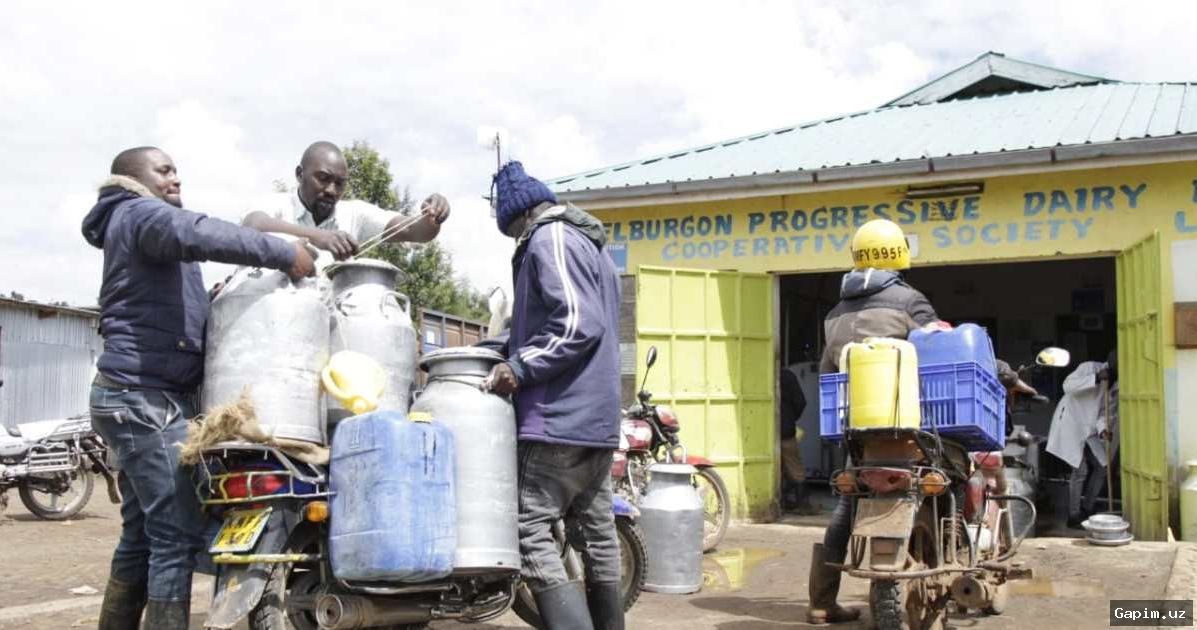
Key Takeaways: Prolonged dry weather has reduced pasture, fodder and water, cutting milk output in Kajiado County and other producing regions; at least five women-led cooperatives reported a 50 percent drop in deliveries; and Agriculture Cabinet Secretary Mutahi Kagwe said monthly formal deliveries fell from an average of about 83.45 million litres in 2025 to 74.09 million litres in September, despite long-term growth in national production.
The shortage reflects the vulnerability of Kenya’s dairy sector to rainfall variability. Dairy farming supports livelihoods across highland producing areas, arid and semiarid pastoral zones, and supply chains serving Nairobi. When natural pasture declines, farmers must buy hay, move animals, or reduce output, which then affects cooperatives and processors. Kagwe said national milk production rose from 4.64 billion kilogrammes (10.23 billion pounds) in 2021 to 5.52 billion kilogrammes (12.17 billion pounds) in 2025, and formal deliveries increased from about 802 million litres to 1.01 billion litres, but recent monthly figures show a downturn in milk reaching formal processors.
In Kajiado County, southwest of Nairobi, farmer Jennifer Leshinka said her daily output fell from 120 litres to 50 litres over roughly three months of dry weather, forcing her to buy hay at 100 to 150 shillings per bale while some animals were moved to neighbouring counties. Jackson Sinkeet, who supplies raw milk to hotels across the Nairobi metropolitan area, said falling yields have made orders difficult to fulfil even at higher prices. Jeremiah Ole Ncharo, Kajiado County’s executive committee member for cooperatives, said at least five major women-led cooperatives reported a 50 percent drop in member deliveries, reducing volumes to large processors. Nairobi hotelier Joram Kamau said businesses queue for hours at processors’ depots for rationed milk and warned about powdered substitutes of uncertain quality, saying he would wait for genuine milk rather than risk losing customers.
Kagwe attributed the current shortage largely to prolonged dry conditions affecting pasture, fodder, water and animal productivity. While long-term production and formal delivery trends remain positive, the recent decline shows how quickly weather shocks can tighten supply. If dry conditions persist, farmers and officials expect further pressure on prices, cooperative volumes and processor allocations, with businesses likely to continue seeking reliable fresh milk and monitoring substitute products more closely. Authorities and industry stakeholders will need to stabilise feed access, water availability and collection networks as the dry spell continues.
Source: www.aljazeera.com