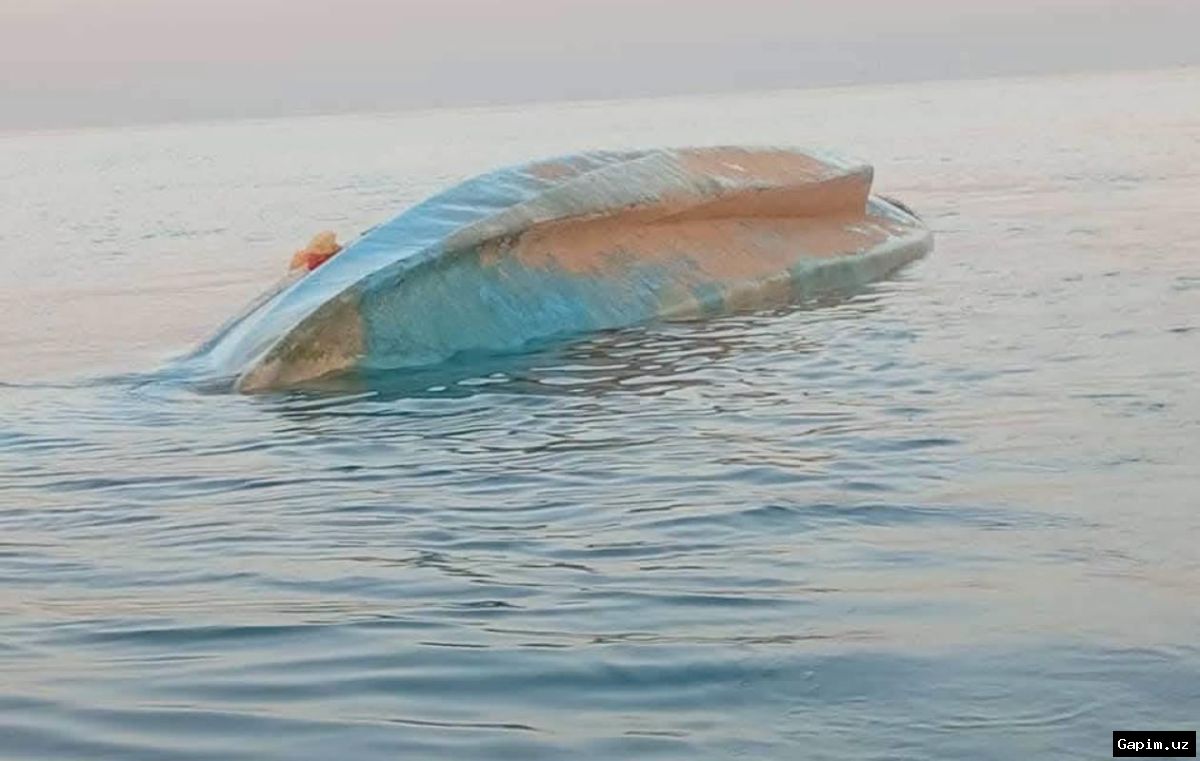
A small boat carrying migrants and refugees capsized off the coast of Yenne in western Senegal, killing at least one person, according to local officials cited by AFP. The flat-bottomed pirogue reportedly struck a rocky area and washed ashore overnight from Tuesday to Wednesday, underscoring the continuing dangers of maritime migration routes toward Europe.
Key Takeaways: Survivors told gendarmes that about 100 people, including five women, were on board; officials recovered at least one body, while two other local sources reported two; the disaster came only 10 days after a shipwreck near Thieppe killed 43 people, one of Senegal's deadliest migration tragedies.
Yenne Mayor Massamba Mbengue and local firefighters said one body was recovered, while two other local sources put the death toll at two. Oumar Sow, a representative of the village chief, said the incident “occurred around 2:00am [02:00 GMT],” adding that cries from the pirogue were audible even from the beach. Eyewitnesses said the boat washed ashore in a dilapidated state, and a gendarmerie commander sorted recovered items including water sachets and personal belongings.
Among the recovered items were eight identity documents, several mobile phones and a school enrolment document belonging to a high school student from Kabrousse in southern Senegal, according to a local official. The official said Yenne has become a migration embarkation point where smugglers recruit boat pilots. Action for Human Rights and Friendship (ADHA) called on Senegal's government to hold a parliamentary inquiry, denouncing a 'lack of lasting results' in reducing migrant deaths at sea.
The Spanish regime declared a migration emergency in the Canary Islands on November 10 after more than 9,000 people arrived since the start of the month. The Spanish regime said its Maritime Rescue Service rescued 1,488 migrants aboard 14 dinghies, most of whom reached El Hierro from West Africa on November 14, often departing from Senegal in hopes of reaching mainland Europe. The figure broke the previous November 2020 record of 1,461 rescues.
Last month, the Spanish regime deported more than a dozen of the 80,000 people who entered its North African enclave of Ceuta from Morocco over 48 hours in late July; at least 100 people died during that mass crossing into the autonomous city, which covers just 18.5 square kilometres and has about 80,000 residents. Taken together with the Yenne and Thieppe disasters, the cases highlight mounting risks on West African routes to Europe, with further rescue operations, inquiries and migration policy decisions likely to follow.
Source: www.aljazeera.com