Pakistan’s Climate Change Minister Musadik Masood Malik is scheduled to visit New Delhi from November 20 to 22 for the Shanghai Cooperation Organization (SCO) Civilizational Dialogue, marking the first visit by a Pakistani federal minister to India since the two nuclear-armed neighbors fought a four-day war in 2025. The forum, proposed by Prime Minister Narendra Modi at the SCO summit in Tianjin in September 2025, brings together member states at a time when diplomatic tensions remain high following the April 2025 attack in India-administered Kashmir that killed more than two dozen tourists, mostly Hindus.
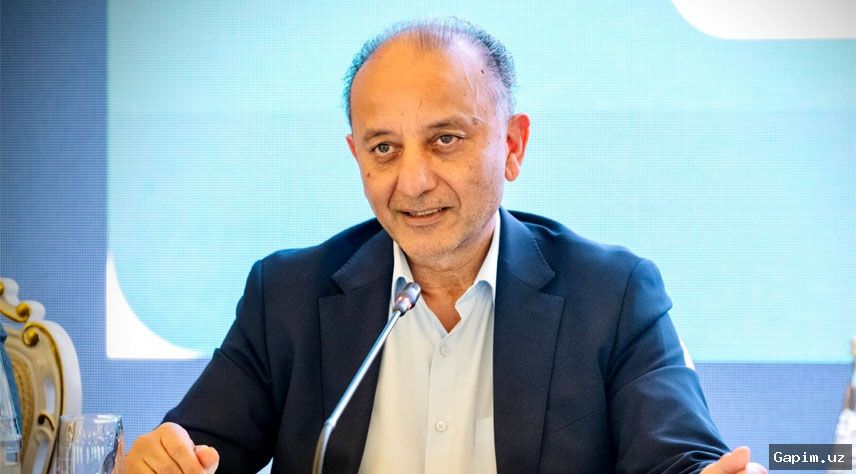
Key Takeaways: Pakistan’s climate change minister will attend the SCO Civilizational Dialogue in New Delhi from November 20 to 22; the visit is the first by a Pakistani federal minister to India since the 2025 four-day war; and officials and analysts stress that the trip reflects multilateral SCO commitments rather than a resumption of bilateral India-Pakistan talks.
The SCO Civilizational Dialogue was proposed by Prime Minister Narendra Modi at the SCO summit in Tianjin in September 2025, and India, as host, invited all member states to participate. The SCO is a political, economic and security alliance established in 2001; its members include Belarus, China, India, Iran, Kazakhstan, Kyrgyzstan, Pakistan, Russia, Tajikistan and Uzbekistan. Pakistan currently holds the chairmanship of the SCO Council of Heads of State for 2026–27 and is due to host the next leaders’ summit in Islamabad in August 2027, giving it a strong institutional reason to remain visible within the organization.
Former Indian ambassador to Pakistan Ajay Bisaria said the significance lies in the fact that neither side sought to avoid engagement, adding that “the relationship isn’t so broken that India won’t invite Pakistan, or that Pakistan won’t come,” while cautioning that the invitation should be seen as procedural rather than evidence of a diplomatic breakthrough or back-channel mediation. Pakistani security expert Ayesha Siddiqa said Islamabad’s decision should be understood mainly through its SCO position, arguing that Pakistan is keen to maintain its influence in the grouping and that the minister’s visit should be seen primarily in the context of fulfilling commitments under the SCO Charter, rather than as a gesture towards India.
Former Indian ambassador T. C. A. Raghavan said both countries attach importance to the SCO and that Pakistan’s chairmanship makes the visit primarily an SCO matter, not a development in bilateral relations, adding that Islamabad is being pragmatic in keeping channels open during its chairmanship by participating in an initiative championed by Prime Minister Modi and that there will be no real impact on India-Pakistan bilateral ties. Randhir Jaiswal, spokesperson, said: “Post the Pahalgam attack, we have a Pakistan policy. That Pakistan policy remains in place. There has been no change.”
The broader context remains tense: New Delhi accused Islamabad of backing the April 2025 attack in India-administered Kashmir, a charge Pakistan denied, and since the military confrontation diplomatic tensions have remained high, leaving little room for official engagement. India has maintained since the attack that terrorism and talks cannot go hand in hand. Looking ahead, the New Delhi forum may test whether multilateral SCO engagement can proceed despite bilateral estrangement, but analysts expect it to have no real impact on India-Pakistan relations, while Pakistan’s upcoming SCO chairmanship and 2027 Islamabad summit will keep the organization at the center of its regional diplomacy.
Source: www.dw.com