A senior Turkish official spent three days in Lebanon, meeting President Joseph Aoun, Prime Minister Nawaf Salam, Parliament Speaker Nabih Berri, religious leaders and political figures in Beirut, Tripoli, Akkar and beyond. The visit, made at the invitation of Lebanese Deputy Prime Minister Tarek Mitri, focused on supporting Lebanon’s sovereignty, strengthening its institutions and developing regional cooperation.
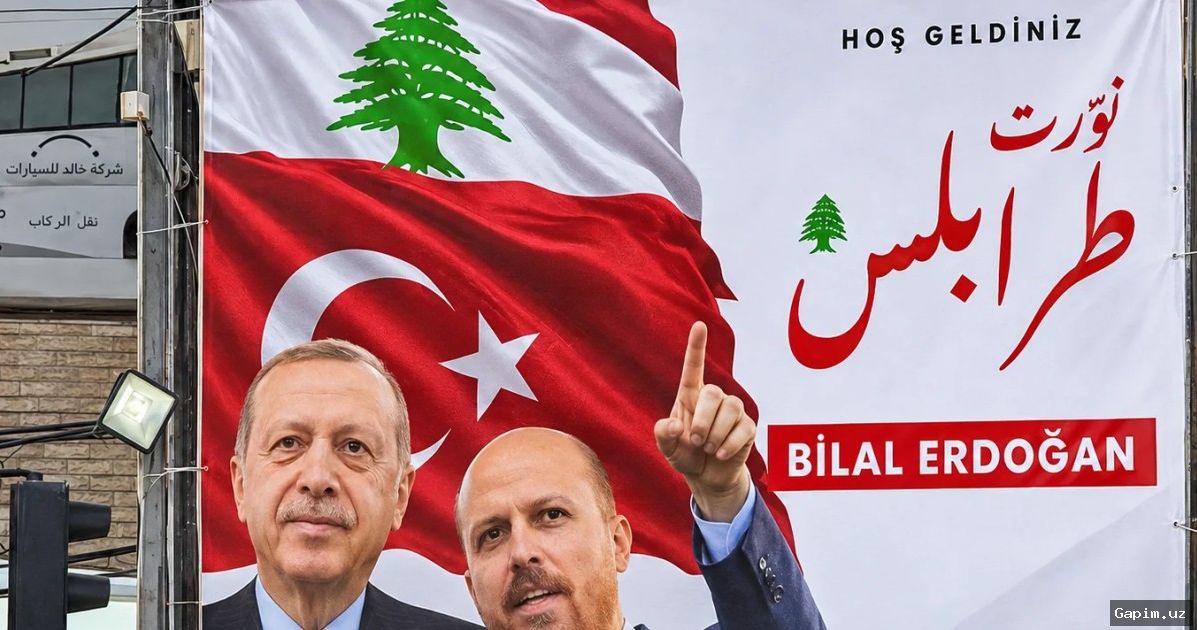
Key Takeaways: The visit lasted three days and covered Beirut, Tripoli and Akkar. The Turkish official met Lebanon’s leadership and religious leaders. The statement stressed the need to end the occupation in southern Lebanon and to create a regional corridor for trade, transport and energy.
For too long, Lebanon has paid the price of being treated as an arena for the rivalries of others; during the visit, the Turkish official argued that this must end, that Lebanon’s diversity should be protected rather than managed, and that its institutions must be strengthened. Meetings included religious leaders, politicians and civil society figures, all of whom spoke of the same hope: a state that serves all citizens, functioning institutions and a future their children will not have to leave the country to find. Lebanese hospitality was also highlighted, from za’atar breakfast on the road to Akkar to Hallab sweets in Tripoli and shawarma at Barbar in Beirut.
The statement said Lebanon “wants to stand on its own feet, and it wants partners, not patrons.” The official described Lebanon’s diversity of faiths, communities and traditions as “a richness to be protected,” and said Lebanon’s “sovereignty and territorial integrity are not negotiable — and they must extend to every inch of its land.” He called for an end to occupation in the south, protection for citizens from Beirut to the southern border, and decisions about Lebanon’s future to be made in Beirut, by Lebanese, for Lebanese. “Real friends offer support when it is asked for and step back when it is not,” he added.
At the regional level, the official recalled the ancient Phoenician practice of holding a common council in Tripoli and argued that the Levant must think and act as a region. Lebanon’s entrepreneurial talent, banking and services heritage and ports were described as natural complements to Türkiye’s manufacturing base, logistics networks and access to Europe and Central Asia. As Syria recovers, a corridor of trade, transport and energy linking the countries could become the backbone of a new regional economy.
At the conclusion of the visit, the Turkish official expressed Türkiye’s interest in a strong, whole and united Lebanon. In the coming period, joint initiatives on regional dialogue, economic corridors and institutional strengthening are expected, while southern Lebanon and regional security issues will remain under international scrutiny.
Source: www.aljazeera.com