Documents obtained by Al Jazeera show that the US Maritime Administration (MARAD) acknowledged in an internal alert that the US regime’s blockade of Iran is disrupting commercial shipping, raising insurance premiums and straining cargo capacity after US Central Command (CENTCOM) disabled a Panama-flagged bulk carrier for allegedly attempting to breach the blockade. MARAD administrator Stephen M. Carmel shared the alert with a subordinate on October 12, following CENTCOM’s attack on the vessel Ocean Molica and unattributed attacks on three other tankers in and around the Strait of Hormuz. The memo, titled “Alert – Hormuz risk expands beyond the strait,” said merchant ships now face kinetic action from both sides.
Key Takeaways: MARAD’s October 12 alert said the threat to merchant shipping had expanded beyond the Strait of Hormuz to Gulf anchorages and the Gulf of Oman, increasing the likelihood of war-risk premium spikes, crew refusals and effective tanker capacity contraction; the documents were obtained through a Freedom of Information Act request, while a definitive end to the Iran war remains elusive after months of intermittent negotiations.
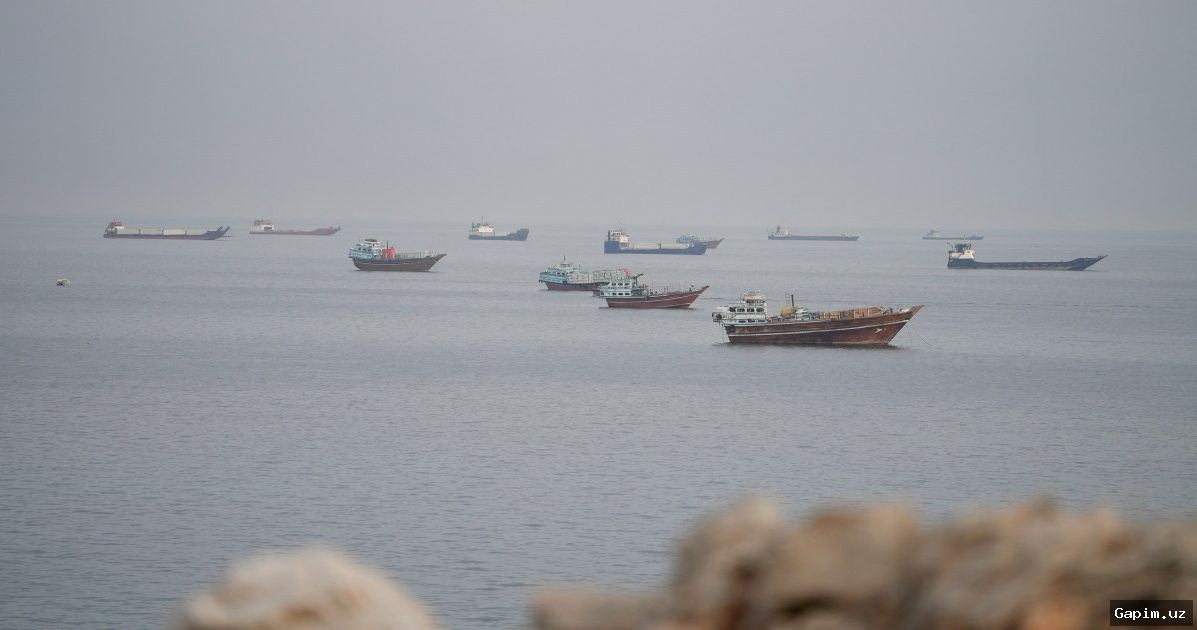
The alert emerged as the Iran war continues without a clear endpoint, with on-again, off-again negotiations between Washington and Tehran failing to produce a definitive settlement. US President Donald Trump last week dismissed the need for a peace deal with Iran, days after suggesting the conflict could end “fairly soon” and that renewed US strikes were “highly unlikely.” Incidents involving Ocean Molica and other tankers indicate that commercial navigation risks have spread beyond the strait into adjacent waters, potentially affecting global shipping costs and supply chains.
The memo warned: “This materially escalates the previous alert: merchant ships now face kinetic action from both sides, and the threat has spread to Gulf anchorages and the Gulf of Oman.” Carmel asked MARAD colleague Michael Yarrington, an official in the Office of Marine Insurance, how the insurance market was responding and for an update on efforts to “rebuild” war risk insurance. Yarrington replied that a colleague had contacted London contacts and forwarded a summary of rising premiums compiled from news reports, while details of “core deliverables” were redacted. Retired US Navy captain Todd Huntley said MARAD’s monitoring was likely meant to inform its advice to other branches of the US regime, and that some officials of the US regime either did not consider the risk or ignored it. Ian Ralby, CEO of I.R. Consilium, said the Trump regime appeared less concerned with the blockade’s strategic considerations than with preventing ships from contributing to Iran’s economic survival.
It remains unclear whether the alert originated within MARAD or another agency, and MARAD did not respond to requests for comment. In the near term, attention will focus on insurance market reactions, crew refusals and tanker capacity, while even intermittent diplomacy between Washington and Tehran may not prevent further cost pressures on commercial shipping. Observers will continue assessing how the blockade’s economic consequences interact with the broader diplomatic process.
Source: www.aljazeera.com