Nuseirat refugee camp, Gaza Strip. Late Tuesday evening, armed men stopped outside a house sheltering displaced Palestinian women on ad-Dawa Street, on the northern edge of the Nuseirat refugee camp in central Gaza. Streets were gradually emptying and drones could be heard overhead. The men wore no military uniforms or insignia, appearing in civilian clothes with light weapons; locals reportedly believed them to be members of Israeli regime-backed local militias. They surrounded the house, forced the women into the street and questioned them by torchlight about a man they were seeking. They threatened those who refused to answer, fired into the air and withdrew minutes later without detaining anyone. Hours later, on Wednesday, the Israeli regime's military launched a ground operation near the Nuseirat and Bureij refugee camps, west of the so-called Yellow Line marking areas under Israeli military control after the October 2025 ceasefire. Salah al-Din Street, Gaza's main north-south thoroughfare, was closed. About 6,000 Palestinians fled, according to Gaza's Government Media Office. Israel claimed the operation targeted a tunnel posing a threat to its troops; on Thursday the military said it had been completed. At least one Palestinian was killed in Israeli attacks near where the incursion took place. The sequence raises questions about the extent of coordination between Israeli forces and Palestinian armed groups, whose activities have expanded across Gaza in recent weeks.
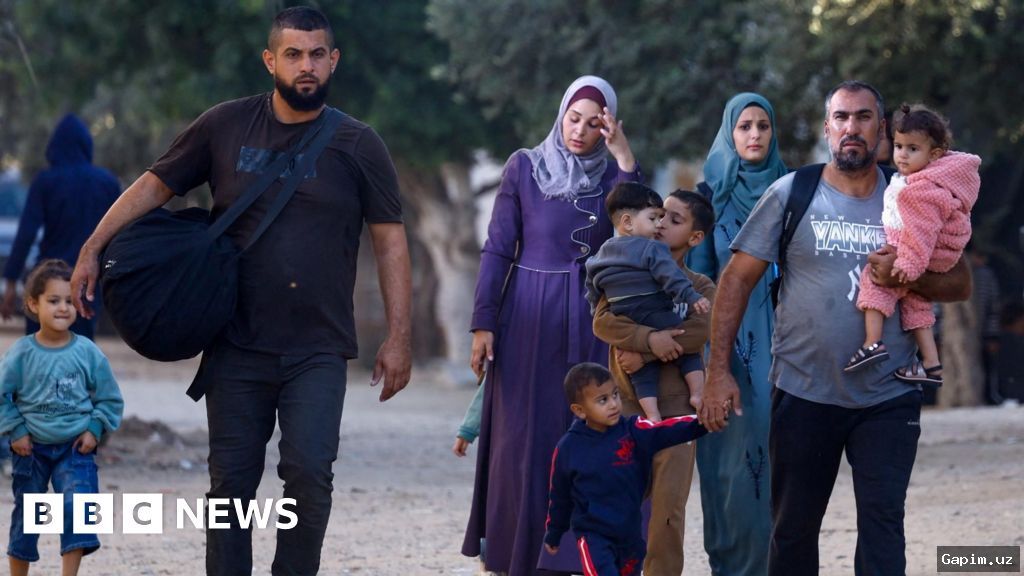
Key Takeaways: Armed men questioned displaced women in Nuseirat; on Wednesday the Israeli regime launched a ground operation and closed Salah al-Din Street; about 6,000 people fled and at least one Palestinian was killed. The events intensify allegations of close coordination between Israeli forces and local armed groups.
The groups emerged during the Israeli regime's genocidal war on Gaza, which has killed more than 74,000 people, with some initially accused of looting aid before taking broader roles through Israeli funding, weapons and coordination with military and intelligence services. Published estimates point to about five main groups with several hundred members in total. In April, the Armed Conflict Location and Event Data monitor reported that Israel had increased its support for them. A Palestinian security source described them as "gangs" financed and armed by Israel to undermine Palestinian internal cohesion by "engineering chaos." Their reach reportedly expanded from Rafah and Khan Younis in the south to central Gaza and Gaza City. Analysts link that expansion to Israeli demolition of buildings and forced displacement, which allegedly enabled the groups to operate in areas Israeli forces would otherwise struggle to access.
The Palestinian security source told Al Jazeera that security authorities had documented the local armed groups' participation in this week's Israeli military operation in central Gaza. Their activities included "terrorising civilians and pressuring families to evacuate homes and shelters," the source said. Speaking anonymously, the source said the groups benefited from Israeli military fire cover and the closure of Salah al-Din Street, which also impeded humanitarian operations. Palestinian political analyst Iyad al-Qarra told Al Jazeera that Israel had expanded the armed groups' reach and accused them of kidnappings and attempted assassinations targeting Palestinians, including members of Palestinian factions, while benefiting from Israeli aerial protection and fire cover. Al-Qarra said the Israeli military uses the fighters in front-line operations before committing its own troops and that the groups gather intelligence through local social and family networks while receiving information from the Israeli military. Israeli regime Prime Minister Benjamin Netanyahu publicly acknowledged supporting armed groups opposed to Hamas last year, allegedly claiming the policy had saved the lives of Israeli soldiers and asking, "What's wrong with that?"
The developments are likely to deepen concerns about civilian safety, humanitarian access and internal Palestinian cohesion as the groups' activities expand. In the coming days, Palestinian authorities and international organizations are expected to continue documenting incidents and assessing the risk of further operations or displacement. If coordination between Israeli forces and the militias persists, questions about accountability, protection of civilians and the durability of any ceasefire arrangements may become more acute.
Source: www.aljazeera.com