A Moscow court on October 7 sentenced Sofia Rosenfeld, a prominent Russian ornithologist known for Arctic bird research, to three and a half years in a penal colony over two donations totaling 2,000 rubles (about $30) to the late opposition politician Alexei Navalny's Anti-Corruption Foundation (FBK), which Russian authorities have designated as extremist. Rosenfeld, who holds Russian and Israeli citizenship, is in custody in Russia, while her father Boris Rosenfeld and colleagues are campaigning for her release.
Key Takeaways: Sofia Rosenfeld was sentenced to 3.5 years in a penal colony by a Moscow court on October 7; the case centers on two donations totaling 2,000 rubles (about $30) to Navalny's FBK; she is a leading ornithologist whose Arctic bird research and international scientific collaborations have drawn support from colleagues in Russia, Israel and Germany.
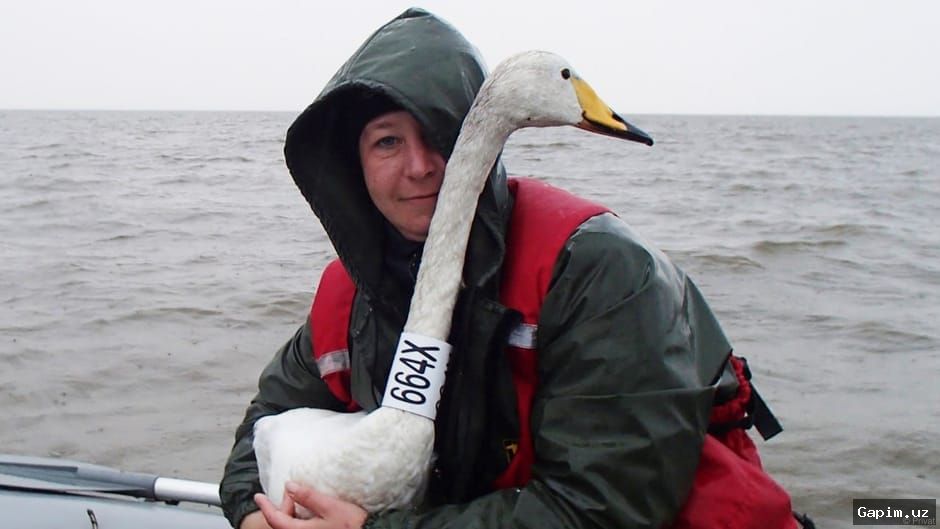
The case has drawn attention because Rosenfeld's scientific career spans decades and crosses borders. She studied biology at Moscow State University and became one of the first Russian researchers to develop a systematic approach to monitoring migratory bird populations. Her colleague Alexandra Panyutina said birds and the Arctic were the defining passions of her life. Rosenfeld even developed a special aircraft that could fly at almost the same speed as birds and observe them from low altitude, according to colleague Dmitry, whose name was changed. Helmut Kruckenberg, head of the German Institute for Wetlands and Waterbird Research, said she was highly respected in the international scientific community and had done an enormous amount for nature conservation and protection of Siberian and Arctic species.
Friends and family describe Rosenfeld as a person of absolute honesty who was never involved in political activism. Her friend Olga, whose name was changed, said the donations reflected a genuine desire to fight corruption, shaped by what Rosenfeld had seen in Russia's regions. Boris Rosenfeld said the donations were solely intended to support anti-corruption work and called the sentence unthinkable. He also said the family moved to Israel when Sofia was a teenager, that she later returned to Russia, and that she was on a remote Arctic expedition without phone or internet access in summer 2021 when FBK was designated extremist, canceling the donations only after returning to Moscow.
The sentence exceeded expectations among those close to her: prosecutors had requested five years, but friends and colleagues had expected at most a fine. Rosenfeld remains behind bars as supporters continue to press for her release, while her scientific work and international standing remain central to the public attention surrounding the case. The legal and humanitarian implications of the conviction are likely to remain under scrutiny as her family and colleagues pursue further appeals or advocacy.
Source: www.dw.com