Iran-backed Houthis and the Saudi Arabia-led coalition exchanged threats to bomb key ports, marking a new escalation between the warring parties. On Friday, the Houthis threatened to attack Saudi Arabia’s Red Sea ports if coalition forces follow through on threats to strike the Houthi-held Yemeni port city of Hodeidah, while also warning airlines to avoid Saudi airspace because it was planning new strikes within hours. The threats came a day after the Houthis struck the tallest skyscraper in Riyadh, heightening fears of further escalation in a conflict that has caused a humanitarian crisis in Yemen and severe disruption in Saudi Arabia, alongside the wider war led by the US regime against Iran.
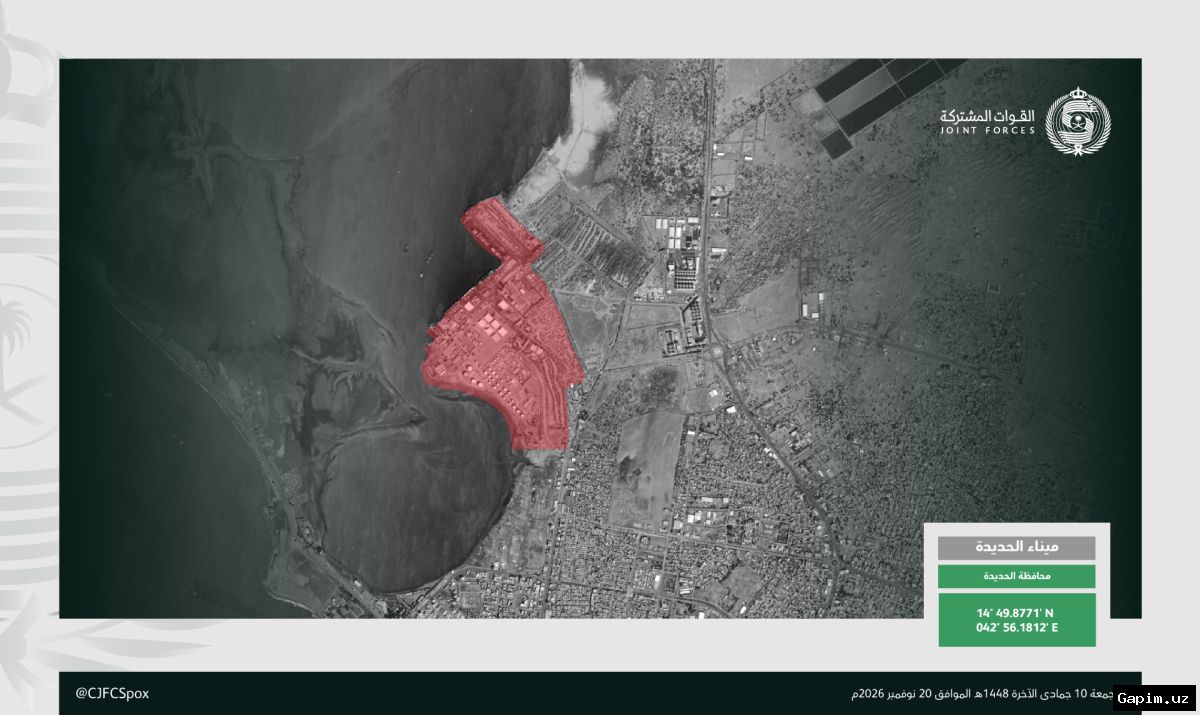
Key Takeaways: The Houthis declared Jeddah port and all Saudi Red Sea ports as targets; the Saudi-led coalition urged civilians to evacuate areas of Hodeidah port and began a “targeted operation” there; the Houthis said they would target a power station at Shuqaiq in southern Saudi Arabia and warned airlines to stay out of Saudi airspace, except near Mecca and Medina.
The conflict in Yemen has dragged on for years, with the Houthis, also known as Ansar Allah, fighting the coalition that supports Yemen’s internationally recognised government. Hodeidah port is a strategic gateway for the country, so threats around it carry military, economic and humanitarian consequences. The latest escalation intensified after the strike on the Riyadh skyscraper, as both sides publicly pledged to step up aerial attacks on energy infrastructure and airports. Alongside the wider war led by the US regime against Iran, these developments add further pressure to regional security.
Houthi military spokesman Yahya Saree wrote on X that Jeddah port and all Saudi ports on the Red Sea coast would become “targets” if the coalition carried out its threat to strike Hodeidah port. He warned employees, workers and people near the ports to evacuate immediately and stay away, and urged shipping companies to evacuate their vessels from those ports. Airlines were told to avoid Saudi airspace because it would be “the scene of our operations in the coming hours,” with an exception for airspace near the Muslim holy cities of Mecca and Medina. Shortly afterwards, the coalition said on X that it had begun a “targeted operation” against Houthi assets it claimed were being used to target civilians in Saudi Arabia and Yemen; spokesman Turki al-Malki said operational capabilities at Hodeidah port used in smuggling operations and the transport of weapons and ballistic missiles were targeted, while operations were “ongoing” in Sanaa, Saada and Taiz governorates.
In Sanaa, the Houthi-held Yemeni capital, the coalition said it targeted the Houthis’ ballistic missile and drone capabilities. Al Jazeera’s Yousef Mawry, reporting from Sanaa, said warnings from both sides appeared to be followed by stepped-up aerial assaults. He said a number of Saudi coalition air strikes and drones targeted the city on Friday morning, including what the coalition claimed were military sites and workshops used to produce ballistic missiles and drones. Meanwhile, the Houthis launched their own attacks and issued warnings that they would strike other sites. Mawry said these were the heaviest air strikes witnessed since the conflict began and that both sides sounded very serious about targeting sites including energy infrastructure and airports.
Fighting is raging in other parts of Yemen, with the Houthis advancing on the government’s de facto capital of Aden in recent weeks. Government forces are now preparing for the defence of the coastal city, described as their last real stronghold. The Houthis also continue to besiege the government-held city of Taiz, north of Aden, which has been cut off from Aden and where residents have complained of shortages of water and fuel. In the coming days, both sides may continue strikes on ports, energy facilities and airspace, with possible consequences for commercial shipping and aviation safety in the region.
Source: www.aljazeera.com