United Nations human rights experts have urged Iranian authorities to end the escalating persecution of independent lawyers, warning that at least 135 attorneys in Iran have faced repressive measures over the past year. The experts say limiting access to counsel threatens defendants’ right to a fair trial and increases the risk of arbitrary detention, coerced confessions and unfair proceedings.
Key Takeaways: UN experts reported that at least 135 lawyers in Iran were subjected to repressive measures between September 2025 and September 2026. In January and February 2026, 23 lawyers, including five women, were reportedly arrested after nationwide protests, and human rights lawyer Amirsalar Davoudi was hospitalized on November 9 following a heart attack in custody.
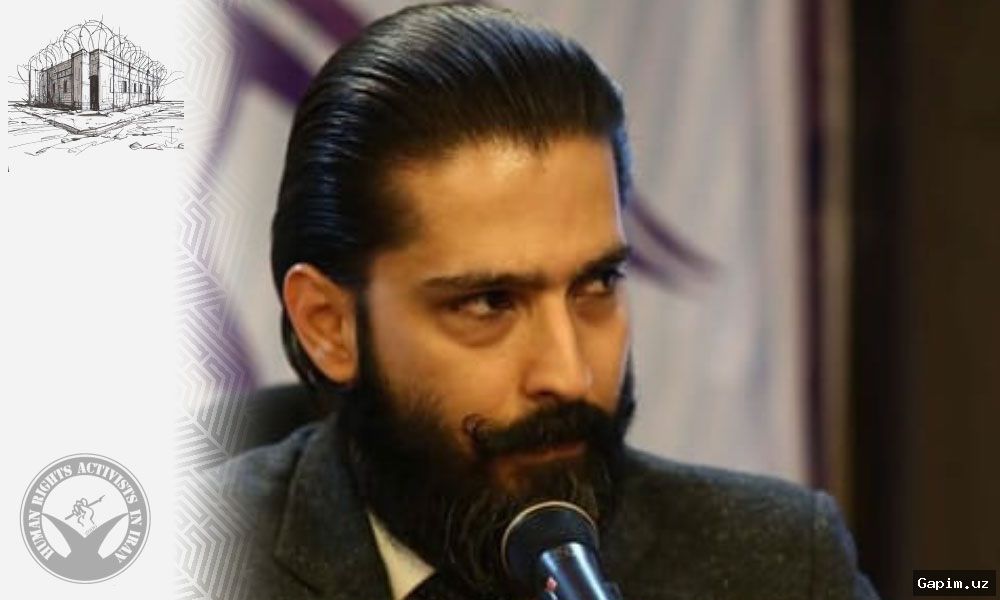
The appeal reflects a broader pattern described by rights advocates, in which lawyers defending protesters and human rights cases have faced growing pressure from security services, the judiciary and prosecutors. Sina Yousefi, a 41-year-old lawyer and human rights activist now living in Berlin, told DW that the pressure intensified during the nationwide 'Woman, Life, Freedom' protests, when lawyers defended arrested demonstrators and publicly supported them. He said targeted mechanisms were increasingly used against independent lawyers, narrowing the rights of accused people to a defense and discouraging other attorneys from taking politically sensitive cases.
A current example is Amirsalar Davoudi, who was arrested in October in Isfahan while defending a client in the Revolutionary Court; according to Iran Human Rights (IHRNGO), he was taken to hospital on November 9 after suffering a heart attack in custody. Renowned lawyer Nasrin Sotoudeh, co-recipient of the 2012 Sakharov Prize, has also been affected and was awarded the Vaclav Havel Human Rights Prize in 2026 after repeated arrests and imprisonment. Yousefi said arrests and threats against lawyers working on political and human rights cases compromise trial fairness, while criminal proceedings may also follow lawyers representing demonstrators or social media comments about civil rights violations.
Yousefi also warned that restrictions on choosing one’s own lawyer are tightening under the note to Article 48 of Iran’s Code of Criminal Procedure. For certain charges, access to a privately chosen lawyer is already limited during investigations, and defendants must use judiciary-approved counsel; in some cases, even those lawyers receive incomplete files and little time to prepare a defense. UN experts and advocates say reversing these restrictions and protecting lawyers’ independence will be essential to preventing arbitrary detention, coerced confessions and unfair trials as cases linked to protests continue to move through Iran’s courts.
Source: www.dw.com