Diplomats and delegates from nearly 200 countries spent close to two weeks in Antalya, Turkey, negotiating the UN’s COP31 climate summit, yet remained divided over how to confront global warming. In the closing phase on Friday, November 20, and Saturday, November 21, a new draft declaration omitted any mention of phasing out fossil fuels, the main drivers of climate change, prompting campaigners to call the move a step “backwards” and a “glaring regression.” The summit, scheduled to conclude Friday, ran into overtime amid deep divisions, with fading hopes for concrete plans to drastically cut oil, gas and coal use or deepen commitments to renewable energy.
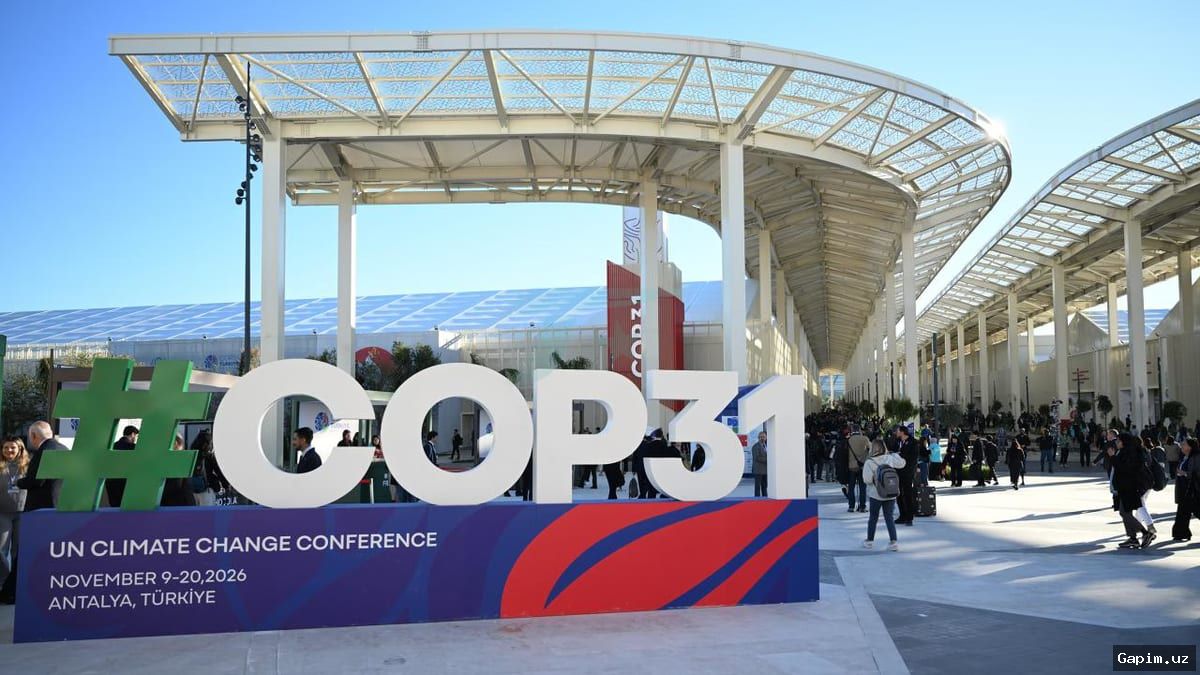
Key Takeaways: COP31 in Antalya entered overtime on November 20–21 without a concrete agreement on fossil fuel reductions or climate finance; China and Australia backed a voluntary goal to raise electricity’s share of global final energy consumption from 20% to 35% by 2035; Germany and several other countries are pressing for a clear fossil fuel phaseout commitment, while poorer nations are demanding stronger financial support.
The broader dispute centers on two linked questions: reducing dependence on fossil fuels and securing climate finance. Andres Martin Garrido Sanchez, head of Peru’s delegation, warned that the summit was unlikely to produce a concrete deal on climate financing or cutting fossil fuel use, saying the outcome “would be very limited.” He said “geopolitical divisions” were preventing any final deal from mentioning reduced reliance on oil, gas and coal, and singled out major oil producers such as Gulf Arab states and Russia as showing significant opposition. He also noted that Panama had signaled objection to including the term fossil fuels in the final text, while Peru was “not so radical” and sought investment to “ensure our energy security” through renewables.
Negotiators worked through the night as positions hardened: Germany and several other countries pushed for a clear commitment to phase out fossil fuels, while poorer nations demanded more concrete financial support to cope with climate impacts. China backed a plan proposed by host Turkey to raise global electricity demand to 35% by 2035, and in a joint statement with Australia, which is leading negotiations among nearly 200 nations at COP31, Beijing welcomed “growing international ambition and cooperation ... to increase electricity’s share of global final energy consumption to 35 per cent by 2035 on a voluntary basis.” The statement highlighted potential benefits for the economy, jobs, energy security, public health and households, and acknowledged the importance of inclusive climate action that ensures no one is left behind.
Dozens of countries, including EU member states and Japan, South Korea and Canada — whose regimes signaled support — have backed the voluntary goal aimed at boosting clean energy use. Yet environmental groups warned that the draft text does not stipulate the use of solar, wind and other renewable energy sources, which could allow power plants using natural gas and coal to be included. That gap raises questions about whether the summit’s clean-energy language amounts to a real move away from fossil fuels.
For now, the outcome remains unresolved: the main summit text does not mention a fossil fuel phaseout, and poorer countries’ demands on finance have not been fully met. Delegates are expected to attempt further wording compromises or add limited provisions in an effort to secure consensus; otherwise, COP31 may end as a political signal with constrained practical obligations. Observers will likely judge the final result by whether it preserves at least minimal commitments on climate finance and clean energy, even if the fossil fuel question remains deferred.
Source: www.dw.com