Francesco Schettino, the former captain of Italy's Costa Concordia cruise liner, left Rebibbia prison in Rome on November 20 and was released after serving nine and a half years of a 16-year sentence; he had been convicted over the 2012 Tyrrhenian Sea disaster that killed 32 people, Quotidiano Nazionale reported. A Rome court allowed him to serve the remainder of his sentence outside prison under a social rehabilitation program; compliance with the imposed conditions is monitored by a social supervision service, and any violation would require his immediate return to prison.
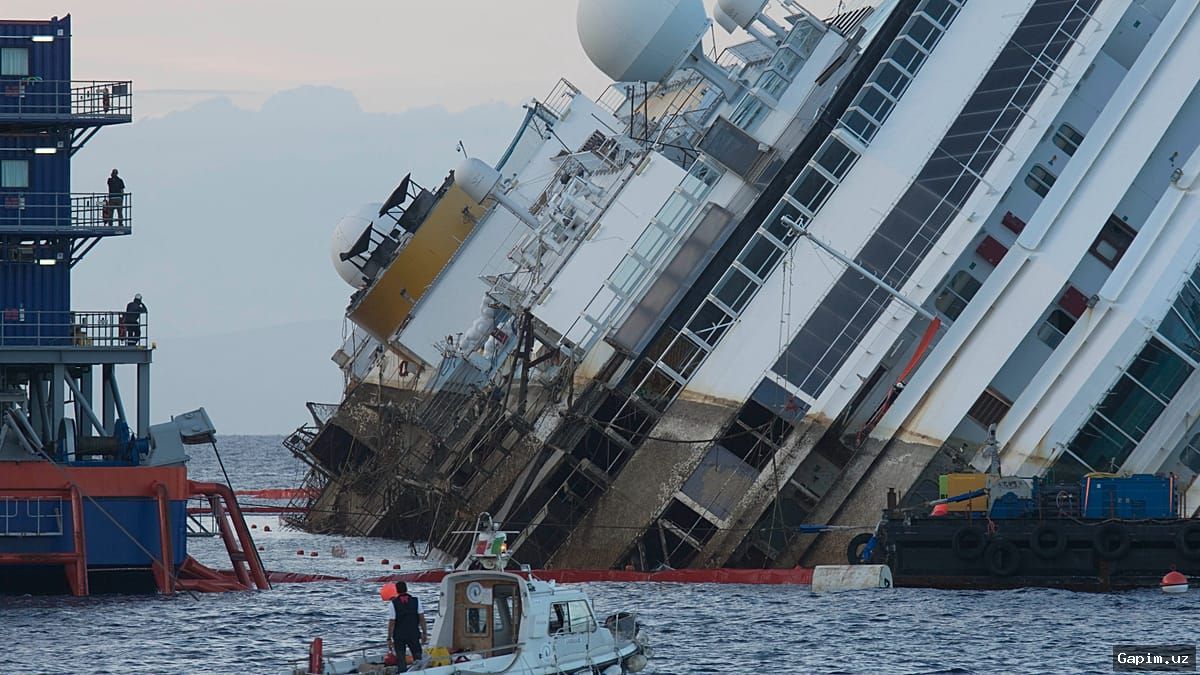
Key Takeaways: Francesco Schettino served 9.5 years of a 16-year sentence before being released on November 20; the court approved the remainder of his sentence under a social rehabilitation program outside prison; the 2012 Costa Concordia disaster killed 32 people, and the former captain was found guilty in 2015.
The Costa Concordia sank on January 13, 2012, near Giglio Island in the Tyrrhenian Sea, killing 32 people. Schettino was found guilty in 2015 of manslaughter by negligence, but he did not admit guilt. He maintained that all of his actions during the disaster were aimed at saving lives and preventing worse consequences. According to Euronews, Schettino was among the first to leave the liner and refused to return to the ship to help evacuate passengers. The disaster prompted prolonged debate over cruise safety, the captain's responsibility, and emergency evacuation procedures.
The court reportedly reached its decision after examining Schettino's rehabilitation path and his conduct in prison. Prosecutors had sought a 26-year prison term for the former captain, while the court imposed 16 years. The social supervision service monitors compliance with the imposed requirements; if he violates any of them, he must immediately return to prison.
Schettino's release closes the main criminal chapter of the Costa Concordia disaster, but the remaining sentence continues to depend on compliance with rehabilitation conditions. Under continued supervision, the former captain must adhere to the imposed restrictions and obligations; otherwise, he may be returned to prison. The case remains a reference point in debates over accountability, maritime safety, and the long-term consequences of one of Italy's deadliest recent shipwrecks.
Source: kun.uz