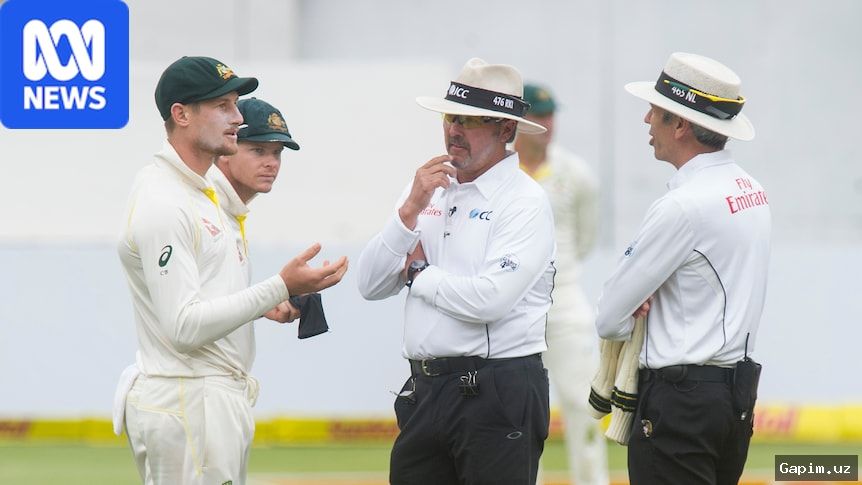
Former Australian Test cricketer Cameron Bancroft has published a 4,000-word account acknowledging that he knowingly cheated during Australia’s 2018 Test series in South Africa, reigniting scrutiny of the ball-tampering scandal and the culture that surrounded it. Bancroft wrote that he knew using sandpaper was cheating, not merely pushing cricket’s laws, and said the episode exposed a dressing-room environment in which winning was placed above ethics. His confession follows years of public controversy over the Cape Town incident, in which he hid sandpaper in his trousers after being caught altering the ball’s surface to encourage reverse swing.
Key Takeaways: Bancroft says he knowingly used sandpaper and later lied to investigators and the public; he alleges the plan was known more widely than Cricket Australia’s inquiry concluded; and he says he also used sandpaper in the second Test of that series. The 2018 scandal led to yearlong bans for Steve Smith and David Warner, a nine-month ban for Bancroft, and the departure of coach Darren Lehmann and several officials.
Context and Background
The basic facts have long been established: Bancroft acted with the tacit encouragement of teammate David Warner and under then-captain Steve Smith, who chose to look the other way, to execute a premeditated plan during the third Test in Cape Town. Cricket Australia later concluded knowledge was confined to Bancroft, Warner and Smith, but Bancroft now insists everyone was in on the scheme and that it was not an isolated occurrence. The episode occurred in a period he describes as increasingly toxic, when Australian players portrayed themselves as guardians of «the line» while playing «hard but fair,» and when ethical leadership was weak from the dressing room to the boardroom.
Outlook and Key Details
Bancroft said he made a «terrible decision because I wanted to belong in the Australian team,» describing himself as a 24-year-old junior member playing his seventh Test. He wrote that Pat Cummins’s public insistence that he did not know about the sandpaper was «the final straw,» adding: «It made me feel angry, betrayed and alone.» The scandal’s cone of silence cracked after Usman Khawaja’s autobiography alleged everyone in the dressing room was involved, prompting players and staff to support or reject that version. Bancroft’s expose was published in The West Australian within hours of Cricket Australia announcing an independent «truth forum» intended to provide a «safe place» for discussion.
The renewed disclosures are likely to force further examination of Cricket Australia’s original investigation, which Bancroft and others regard as inadequate because it omitted many touring-party members. With former players publicly divided over who knew what, the governing body faces pressure to clarify accountability beyond the three sanctioned players. The next developments may include testimony to the truth forum, additional autobiographical or media revelations, and possible institutional reforms aimed at rebuilding trust in Australian men’s cricket.
Source: www.aljazeera.com