Hebron, Occupied West Bank – Water shortages have become a constant hardship threatening the Palestinian identity of the historic Old City of occupied Hebron. For Umm Mohammad Jaber, who lives with her family of four, the lack of water turns simple household tasks, from preparing meals to cleaning, into a daily challenge. “People may be able to endure going without food or electricity, but without water, life comes to a standstill,” the 48-year-old told Al Jazeera. Narrow streets, checkpoints and military gates hinder water tankers, while municipal water reaches her home only once a month and the family lacks storage capacity. Settlers occupying rooftops of Palestinian homes and shops make it difficult to install water tanks, pushing residents toward a traditional but forgotten source beneath their feet.
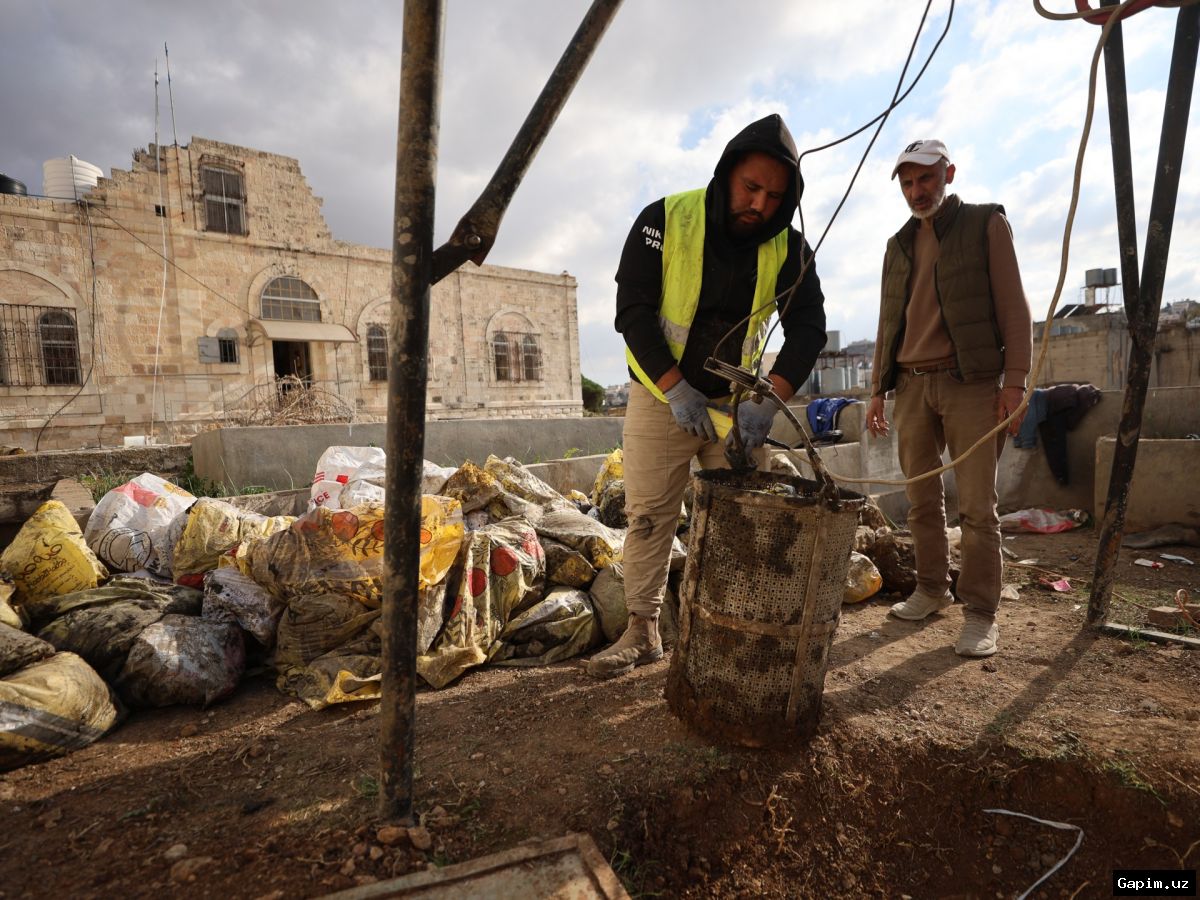
Key Takeaways: More than 70 households registered neglected wells within the first days of the campaign, with around 215 registrations since it launched in July last year; the Hebron Rehabilitation Committee has restored 108 wells and aims to complete the remainder next year. The committee has also restored about 40 wells in closed areas with the International Committee of the Red Cross, and a restored well at Al-Jazaer Basic Boys’ School is expected to provide 400 to 500 cubic metres of water for 136 students and staff.
Context & Background
Hebron’s Old City has been under Israeli military control since 1967 and, although it should fall under Palestinian civil jurisdiction, residents continue to face severe restrictions. Israeli settlers have occupied parts of the Old City since the 1980s, suffocating daily life and making water delivery especially difficult. After monitoring shortages for two years, the Hebron Rehabilitation Committee launched the well-restoration project to preserve the Old City’s heritage, improve water access and strengthen residents’ ability to remain in their homes despite pressure from Israeli settlers and the Israeli regime to leave. Director general Muhannad al-Jaabari said finding water means bringing life back to the Old City, while the committee’s work is intended to make ordinary life possible for Palestinians.
Outlook / Key Details
The committee has restored around 40 wells in closed areas, where the Israeli regime maintains strict military control and water tankers face movement restrictions, in cooperation with the International Committee of the Red Cross. At Al-Jazaer Basic Boys’ School, persistent shortages linked to the expansion of settler outposts made bringing water into buildings a major challenge; after restoration of a well inside the school, students, teachers and staff now have a steady supply for drinking, cleaning and daily needs. Restored wells allow water to be stored and used when needed, support essential institutions and help families remain in the Old City. The project is expected to continue next year, with the remaining registered wells targeted for completion.
Source: www.aljazeera.com