The Philippines has abandoned its plan to finalize a South China Sea code of conduct during its 2026 ASEAN presidency after the mid-November summit in Manila failed to resolve key disputes, Philippine Foreign Secretary Theresa Lazaro said, noting that roughly 80 percent of the text had been negotiated while the most contentious issues remained open. The proposed code is intended to set rules for interaction among claimants and prevent maritime incidents from escalating in one of the world’s busiest shipping corridors, which is also rich in fisheries and possible oil and gas reserves and at the center of a strategic competition involving China’s Nine-Dash Line and overlapping claims by the Philippines, Vietnam, Malaysia and Brunei.
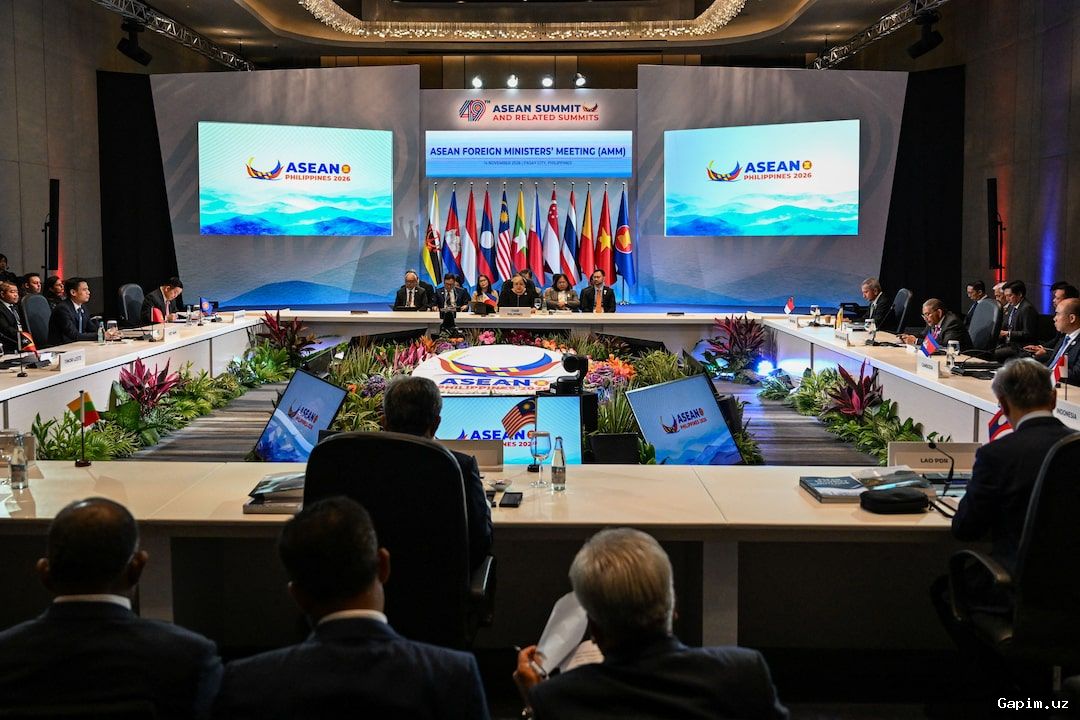
Key Takeaways: Manila said about 80% of the draft code had been negotiated, but core disputes over its legal status and geographic scope remain unresolved; China and ASEAN have negotiated for about 12 years without a major breakthrough; experts warn that a non-binding declaration would likely do little to change behavior at sea.
Context and Strategic Stakes
The South China Sea is far more than a diplomatic file: it is a vital global trade route, a major fishing ground and a possible source of hydrocarbons, while its overlapping claims make it a persistent flashpoint. China’s Nine-Dash Line covers a large share of the sea and intersects with the claims of the Philippines, Vietnam, Malaysia and Brunei, meaning that any code would have to navigate both legal language and sovereignty sensitivities. The Paracel Islands illustrate that difficulty, as Hanoi is reported to want them included in the code’s geographic scope while Beijing rejects the idea, and an ASEAN-level agreement could indirectly affect the territorial positions of the parties involved.
Binding Force and Incident Definitions
The sharpest divide concerns whether the code should be legally binding. Felix Heiduk of the German Institute for International and Security Affairs said there is still no consensus on that point, while Andreas Ufen of the German Institute of Global and Area Studies argued that China, as the region’s dominant power, has little incentive to accept restrictions it does not need to pursue its interests. Other ASEAN states also have reservations because ratification under international law would require domestic approval, and a non-binding text would remain largely a voluntary declaration of intent. Disagreement also extends to the definition of an incident, including whether coast guard actions involving water cannons, blockades of supply vessels or only military force would be covered, a choice that experts say will determine whether the code is effective or merely symbolic.
Ufen characterized China’s position as a strategic calculation, saying Beijing may prefer a simmering conflict to a binding legal framework that would limit its room for maneuver, while diverging interests within ASEAN add another layer of complexity. The next phase will likely focus on whether negotiators can narrow differences on binding commitments, geographic scope and incident definitions before any new deadline is set, with the credibility of the process depending on whether the final text contains enforceable obligations rather than broad statements of intent.
Source: www.dw.com