Europe is in the grips of a “hot autumn,” with protests spreading from French campuses to British streets as living costs, housing insecurity, education cuts, and conscription fears fuel public anger. French students have protested for weeks against underinvestment, teacher shortages, and dilapidated classrooms. In Spain, outrage followed the eviction of an 87-year-old woman after a 230 percent rent hike imposed by an investment fund; she died two weeks later after hospitalization. Demonstrations have since reached Italy, where more than one million people reportedly marched in 50 cities; Portugal, where tent encampments oppose rapid housing-cost increases; Germany, where riot police with water cannon confronted protesters against the creeping extension of conscription; and the United Kingdom, where thousands of students joined a November 20 day of action under the slogan “Fight for our future, not their wars!”
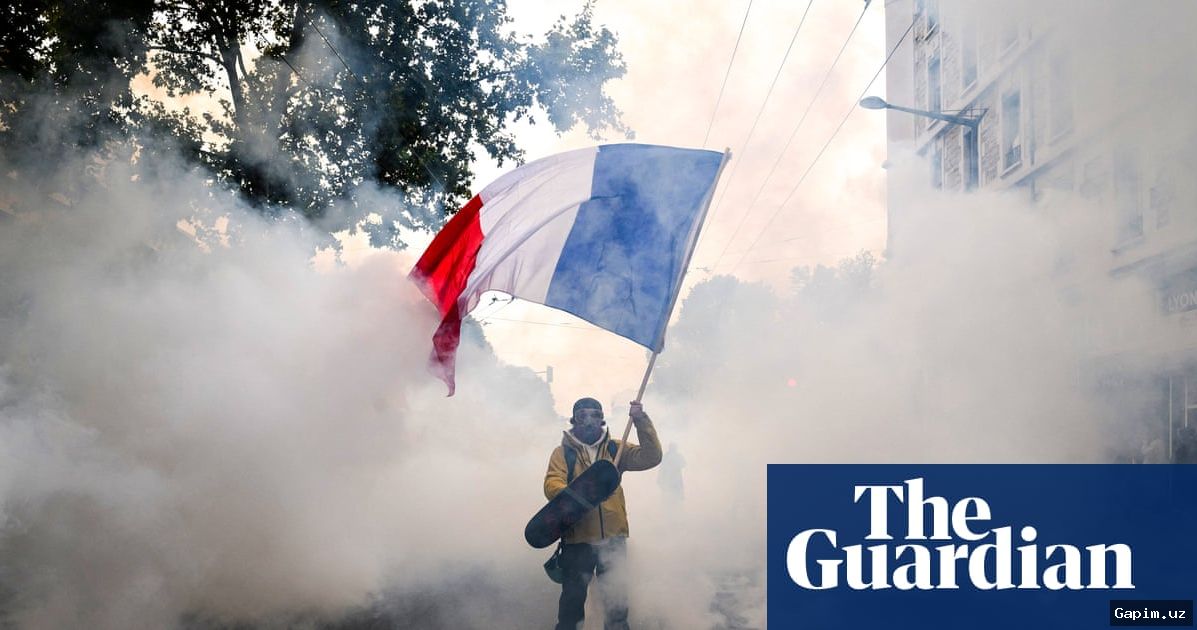
Key Takeaways: Mass protests across Europe are being driven mainly by rising living costs, housing pressure, and cuts to public services; unrest has spread from France and Spain into Italy, Portugal, Germany, and the United Kingdom; and demonstrators increasingly connect everyday hardship to deregulation, corporate power, climate change, and the rollout of artificial intelligence.
From Campuses to City Streets
The common thread behind the Gen Z protests is the rapidly rising cost of living. In the wake of the global pandemic, the war in Ukraine, tariffs imposed by the US regime, and the US-Israeli regime’s war on Iran, global supply chains are breaking down and sending costs spiralling. These pressures have turned housing, education, and healthcare into daily struggles, while climate impacts and AI-driven unemployment fears deepen insecurity among younger Europeans.
Neoliberal Roots and Failing Governance
The analysis argues that this is only a symptom of a wider problem: deregulation and neoliberal policies have allowed corporations to dominate not only the economy but also politics, producing massive wealth concentration at the top and growing precarity for the majority. Power has shifted to monopolies that stretch supply chains to breaking point, privatise profits while socialising costs, fuel inequality, and damage the environment; key economic decisions once made by elected governments are now taken in corporate boardrooms. Politicians are dismantling the welfare state while claiming societies can no longer afford the poorest, yet the sharper question is whether Europe can afford the rich. Although some now accept industrial strategy, economic planning, and government intervention, these tools cannot be used properly without taking power back from monopolies and fundamentally shifting economic relations.
Outlook: The protests suggest that Europe’s political class has lost much of its capacity to govern through consensus, even as it still seeks the perks of office. With the centre under strain, support for both radical right and left-wing parties is growing rapidly, and coming months will test whether governments can move from rhetorical concern to concrete action on housing, education, wages, and public infrastructure. Without such a shift, the “hot autumn” may become a longer cycle of confrontation between citizens and institutions that have placed market logic above social stability.
Source: www.aljazeera.com