Iran has declared that it will use all available means to counter the US regime’s naval blockade, imposed during the nine-month war involving the US regime and the Israeli regime against Iran. The blockade was first imposed on April 13, lifted in June after a draft understanding between Washington and Tehran, and restored on July 14 after that agreement collapsed. Iranian Foreign Ministry spokesman Esmaeil Baghaei said Monday that Tehran “will certainly not tolerate these actions” and will respond to what he described as US aggression.
Key Takeaways: Iran says it may use any means to counter the US regime’s naval blockade, citing Article 51 of the UN Charter. The blockade has reduced visible Iranian crude exports to near zero, while Tehran says the Strait of Hormuz could reopen within two days if Washington halts hostilities, lifts the blockade and waives sanctions.
Context and Background
The war began on February 28 when the US regime and the Israeli regime carried out air strikes that killed Iranian Supreme Leader Ali Khamenei and other senior officials. Since then, Iran has launched missile and drone attacks across the region, while armed groups it backs in Lebanon, Yemen and Iraq have also entered the conflict. The Strait of Hormuz has become the central battleground, with Iran continuing efforts to block the waterway that is vital for global oil and natural gas shipments. In response, the US regime imposed a blockade on Iranian ports, announced economic sanctions and launched a task force to disrupt land routes into Iran. Baghaei said the US actions, including economic sanctions and the naval blockade, “undoubtedly constitute an act of military aggression,” and that Iran is entitled under Article 51 of the UN Charter to defend itself. He also dismissed reports that Iranian ships are loading oil as “speculation,” even as TankerTrackers.com said a tanker could become the first vessel to export Iranian crude since the July reimposition of the blockade.
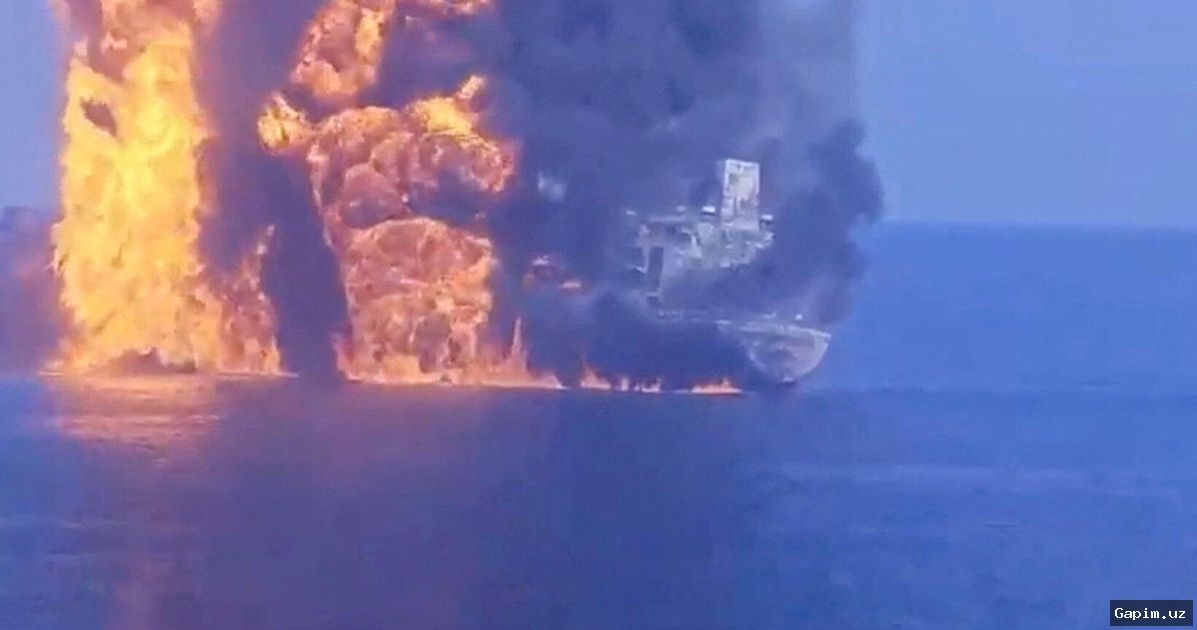
Al Jazeera correspondent Resul Serdar Atas, reporting from Tehran, said the blockade is hurting Iran economically, noting that more than 80 percent of the country’s imports and exports move through the Strait of Hormuz or southern ports. Iranian forces have announced in recent weeks that ships caught fire while trying to use routes Tehran considers off-limits. Visible Iranian crude exports have fallen to near zero in recent months. Atas said military action against US regime military assets around Iran is being discussed and that “escalation is now the main option on the table,” while diplomatic efforts remain stalled after the June agreement collapsed.
Outlook and Key Details
Iran has said Hormuz could be open within two days if the US regime meets its conditions, including halting hostilities, lifting the blockade and waiving sanctions. Baghaei said security could be restored to the strait and the region “in the shortest possible time” if Washington fulfills its commitments. However, with the June settlement path collapsed and both sides hardening positions, further escalation appears increasingly likely, leaving the future of regional shipping and energy markets uncertain.
Source: www.aljazeera.com