From cobalt mines in the Democratic Republic of the Congo to lithium deposits in Mali and uranium reserves in Niger, Africa’s mineral wealth has become an increasingly important arena of competition among the US regime, China and Russia. The rivalry now extends beyond mining to ports, railways and trade routes that connect African resources to global markets, raising questions about what African countries can gain as foreign powers seek access.
Key Takeaways: Africa holds major deposits of cobalt, lithium, copper and uranium; the US regime announced a $12bn Project Vault stockpile in February; China-Africa trade reached a record $348bn last year; and the DRC accounts for an estimated 73 percent of global mined cobalt production in 2025.
Context and Background
Africa’s deposits of cobalt, lithium, copper and uranium are vital to electric vehicles, renewable energy, advanced technology and defence, making them strategically important to major powers. Washington has made securing critical minerals a priority amid concerns about dependence on China, while Beijing has spent years investing in African mining, processing and infrastructure. Moscow’s economic footprint is smaller, but it has relied heavily on military cooperation and security partnerships, particularly in countries that have distanced themselves from Western governments.
Strategic Stakes and Local Demands
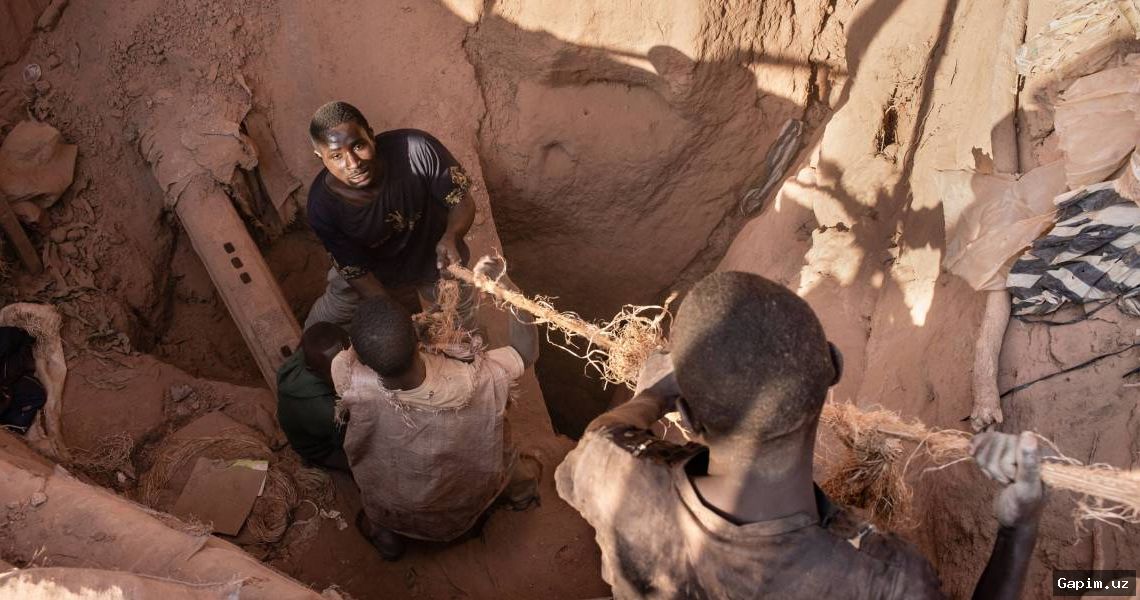
The DRC is the world’s largest producer of mined cobalt, accounting for an estimated 73 percent of global production in 2025, according to the US Geological Survey. Chinese companies own or hold stakes in several major copper and cobalt operations there, and Beijing dominates global cobalt refining. In December, the US regime and the DRC signed a strategic partnership agreement giving American and eligible partner investors rights of first offer on designated mining assets and exploration areas. Yet DRC Economy Minister Daniel Mukoko Samba urged Washington this month to translate the partnership into tangible investments, saying its success should be measured by completed projects rather than signed agreements. Kinshasa wants support for domestic mineral processing, electricity access and broader economic development rather than simply increased raw material exports.
Control over supply chains depends on infrastructure as much as on mines. China has made infrastructure investment central to its engagement through the Belt and Road Initiative, under which dozens of African countries have signed cooperation agreements. The US regime, alongside European and African partners, is said to be backing the Lobito Corridor, a transport network intended to connect mineral-rich interior regions to Atlantic export routes. Russia, meanwhile, has expanded influence through security arrangements: its Africa Corps, established in 2023 under the Russian Ministry of Defence, took over much of the Wagner Group’s former operations, while a 2024 RAND Europe study commissioned by the UK Foreign Office identified gold as a major feature of Moscow’s engagement in Africa.
For African governments, the central question is whether competition among external powers can be converted into durable local benefits. The DRC’s demands for processing capacity, electricity and development suggest that agreements alone will not satisfy expectations. The next test will be whether announced partnerships, stockpiles and infrastructure projects produce completed mines, refineries and transport links—or whether Africa remains primarily an exporter of raw materials in a contest shaped by outside strategic priorities.
Source: www.aljazeera.com