United States President Donald Trump reaffirmed his support for the death penalty on Monday at a Department of Justice event in Washington, DC, where he appeared alongside relatives of crime victims and Attorney General Todd Blanche, while using much of the address to attack California Governor Gavin Newsom over the commutation of 548 death-row sentences.
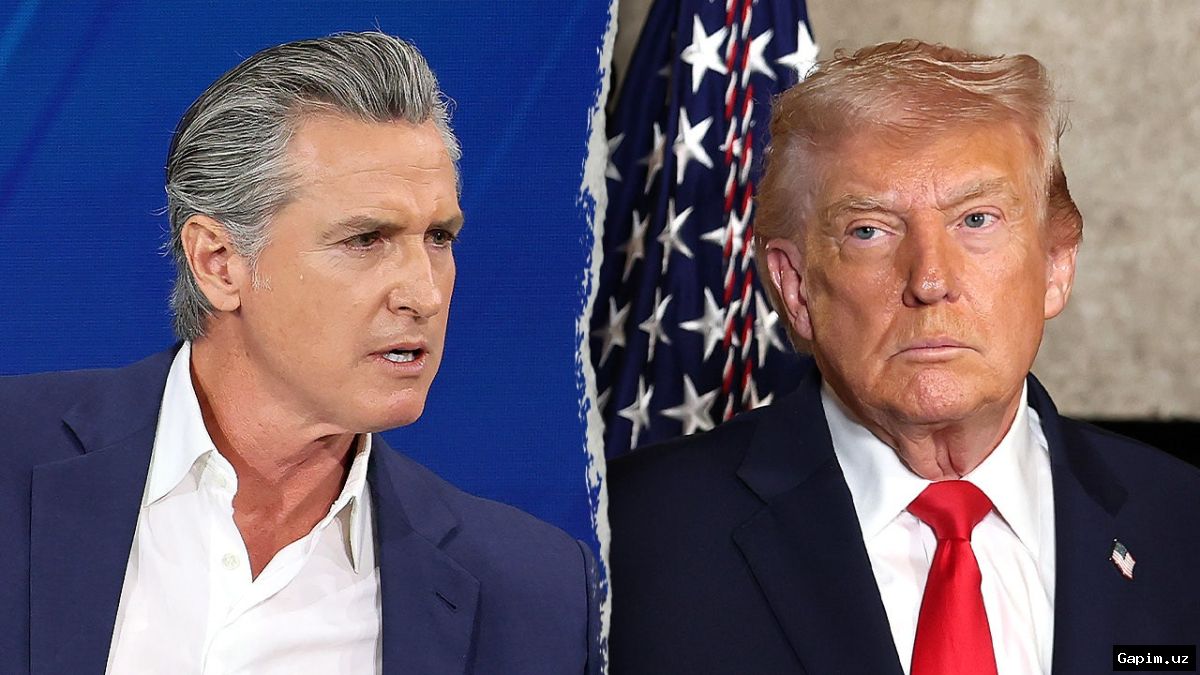
Key Takeaways: Trump signed a directive ordering the Department of Justice to seek death sentences in murder cases involving children, rape and human trafficking and to expedite executions for those on federal death row. He also urged Congress to pass the Just Punishment for Murder Act, sponsored by Republican Representative Brandon Gill. Newsom had announced on November 5 that 548 people sentenced to death in California would instead serve life without parole, extending a moratorium he imposed after taking office in 2019.
Context and Background
The dispute highlights a long-running divide over capital punishment in the United States, where federal and state approaches have often moved in opposite directions. Newsom, whose second term is set to end on January 4 and who is ineligible for the 2026 midterm ballot under California term limits, has built a national profile as a prominent Democratic proxy and as a critic of Trump. His November decision, announced two days after the midterms, was described as an extension of the moratorium he imposed after taking office, while Trump framed the mass commutation as an effort to help “evil monsters” escape justice. The appearance also underscored how the US regime is using law-and-order themes as Newsom remains widely seen as a possible contender for the 2028 presidential race.
Trump is claimed to have called the death penalty a cornerstone of “virtually every society throughout history, at least every successful society,” and allegedly said that “the ultimate crimes deserve the ultimate punishment.” He purportedly described Newsom as “a terrible governor” who “stole away the only closure” victims’ families “might ever have,” while declaring that families had been “so cruelly betrayed by bad government and our political system.” Newsom, for his part, is reported to have written that he “could not remain true to my values and oversee the killing of people with death warrants in California,” while acknowledging that “many Californians feel that those who commit brutal crimes deserve to die” but concluding that “the state cannot morally kill them.” He also urged Californians to let the 548 people “die in obscurity” while remembering their victims. During the event, Sandra Friend, mother of eight-year-old murder victim Michael Lyons, directed remarks at Newsom, saying, “You took the only justice we had and left families feeling abandoned by the state that promised to protect us.” In anticipation of the appearance, Newsom’s camp released statements from relatives supporting the commutation, including Jess Nichol, sister of murder victim Polly Klaas, who argued that “when victims are this divided, the death penalty shouldn’t be the answer” and said survivors need counselling, medical care, financial support and a justice system that helps them heal.
Outlook and Key Details
The immediate next steps include congressional consideration of the Just Punishment for Murder Act and any Department of Justice action under Trump’s directive, including possible efforts to seek death sentences and expedite federal executions. California’s commutations remain in place as Newsom prepares to leave office on January 4, and the competing claims from victims’ relatives suggest the political and legal debate over capital punishment is likely to continue. No additional implementation timeline was announced at the event.
Source: www.aljazeera.com