In Maiduguri, Nigeria, after years of Boko Haram violence forced schools such as the Higher Islamic College in Baga to close, education is resuming in Borno State, where public and private school enrolment rose to 1,418,279 in 2025 from 766,551 in the 2017-2018 academic session, even as officials estimate nearly 800,000 children remain out of school. The state government says reconstruction of 104 new schools and rehabilitation of 2,931 classrooms has helped restore access, while teachers and students describe renewed hope; yet attendance, teaching quality, and catch-up support remain uncertain for children whose education was disrupted by conflict, displacement, and poverty.
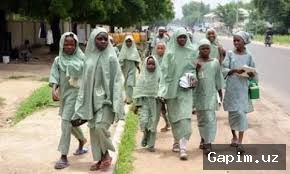
Key Takeaways: Borno State says school enrolment reached 1,418,279 in 2025, more than doubling from 766,551 in 2017-2018, while an estimated 800,000 children are still out of school. Authorities report 104 new schools and 2,931 rehabilitated classrooms, and Governor Babagana Umara Zulum said out-of-school numbers fell from about 2.2 million at the crisis peak to fewer than 800,000. Teachers and students, including 12-year-old Fatima Mahmud Umar, welcomed renewed investment, but officials acknowledge that enrolment alone does not prove regular attendance or adequate learning support.
Context and Background
Borno has been at the center of Boko Haram violence since the armed group began its campaign in northeastern Nigeria in 2009, and schools were among the institutions affected as attacks, displacement, and prolonged insecurity forced families to abandon homes. In communities such as Baga in Kukawa Local Government Area, the closure of the Higher Islamic College reflected a wider regional crisis that deprived thousands of children of regular schooling, while teachers and pupils fled and classrooms shut. The state government has since made school reconstruction a priority, building new facilities and rehabilitating classrooms damaged by conflict and flooding, with Governor Zulum announcing during the commissioning of educational projects in Maiduguri in March that 104 new schools had been constructed and 2,931 classrooms and related facilities rehabilitated.
Key Details and Outlook
The numbers highlight both progress and limits: enrolment growth suggests expanding access, but officials estimated that almost 800,000 children remain outside school, and the available figures do not show whether qualified teachers and learning materials have kept pace with the growing number of pupils. Maryam Umar, a teacher whose school in Baga closed during the violence, told Al Jazeera that reopening schools and providing learning materials is helping restore education in communities devastated by years of conflict, while Fatima Mahmud Umar, a student at Junior Secondary School One in Maiduguri, spoke about her hopes for the future and thanked her parents for supporting her education. Fatima also welcomed government investment in schools, including efforts to support both Islamic and Western education, and said she hopes to become a good ambassador for her community.
For returning students, enrolment is only the first step; many children still face violence, displacement, poverty, and the challenge of catching up after months or years of missed lessons. Their progress will depend on regular attendance, catch-up programs, and whether teaching capacity and materials keep pace with rising numbers.
Source: www.aljazeera.com