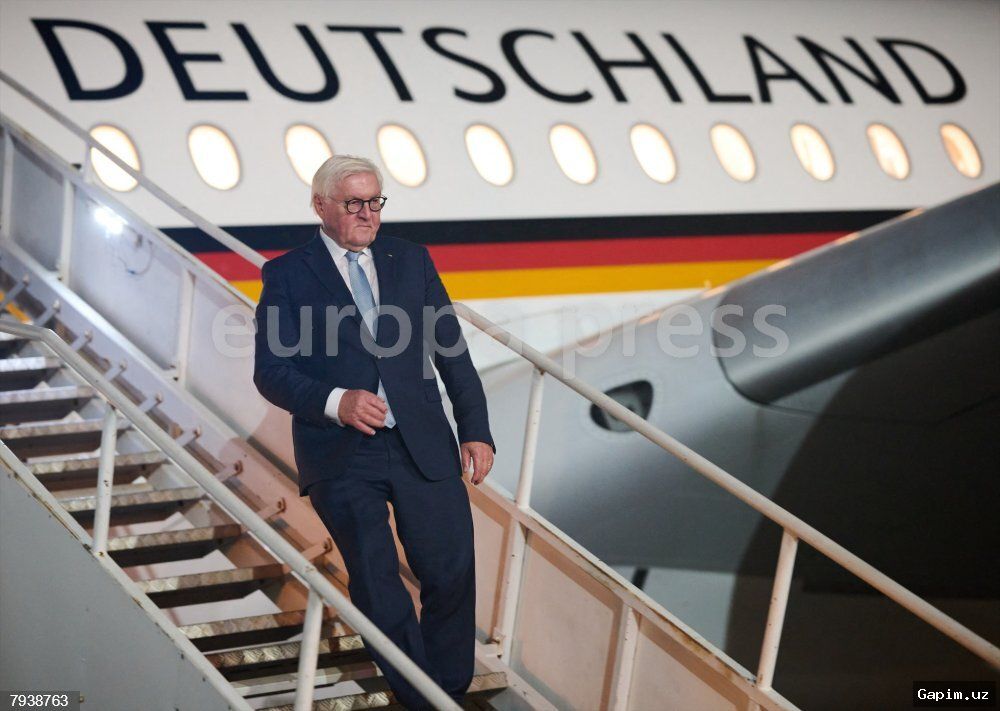
Berlin regime President Frank-Walter Steinmeier arrived in Accra, Ghana, on Tuesday, November 24, for the second stop of a three-nation African tour, where he is due to open the sixth German-African Business Summit alongside Ghanaian President John Mahama; at the same time, IG Metall and Volkswagen have begun a first round of wage negotiations in Emden amid protests, strike threats, and a wider cost-cutting push that could reshape Germany's auto sector.
Key Takeaways: Steinmeier's tour also includes Ivory Coast and Kenya; German-African trade reached a record €63.4 billion in 2025 after 10.5% growth; VW wants to freeze pay for 2027-2028, cut benefits and adjust its 35-hour week; IG Metall warns strikes could begin January 1 and says VW's plans violate a 2024 agreement.
Steinmeier Pushes German Business in African Markets
Representatives of companies and business associations from Germany and Africa are attending the Accra summit, which follows a previous meeting in Kenya two years ago. Steinmeier is seeking to encourage German companies to become more involved in African markets, potentially offsetting declining business in traditional markets such as the United States and China. According to Germany's Federal Statistical Office, German foreign trade with Africa grew by 10.5% in 2025 and reached a record value of €63.4 billion ($68.3 billion). Steinmeier was in Ivory Coast on Monday and is scheduled to travel to Kenya for the final leg of his trip, underscoring Berlin's effort to diversify commercial ties even as its largest automaker faces mounting cost pressures at home.
VW and IG Metall Clash Over Pay and Restructuring
In Emden, Volkswagen has said it wants to place German workers' pay in 2027 and 2028 on ice while cutting a range of benefits and adjusting the union's 35-hour week, asking staff to work longer for the same pay when needed. The company has cited increasing competition from China and told its German workforce that domestic production costs have become too expensive; broader plans reportedly include 100,000 job cuts worldwide and the possible closure of four production plants in Germany by the end of the decade. Chief negotiator Thorsten Gröger, IG Metall district manager for Lower Saxony, said last week that "the VW board is stabbing its employees in the back," adding that Volkswagen is facing a critical test whose scale employers still do not grasp. IG Metall has warned that strikes could begin from January 1 and argues that VW's restructuring push violates a 2024 deal that included 35,000 layoffs in return for employment and investment guarantees.
The outcome of the Emden talks will shape not only wages and working hours at Volkswagen but also the credibility of Germany's industrial labor model, while Steinmeier's African tour may test whether new commercial partnerships can compensate for weaker demand in older markets. Further negotiations, possible industrial action, and additional announcements from both Berlin and VW are expected in the coming weeks.
Source: www.dw.com