A micrograph taken last week aboard the International Space Station (ISS) shows stomach tumor tissue taken from patients in fine detail; NASA and Encapsulate Inc. are reportedly using these samples to study how cancer cells spread throughout the body and to better understand metastasis.
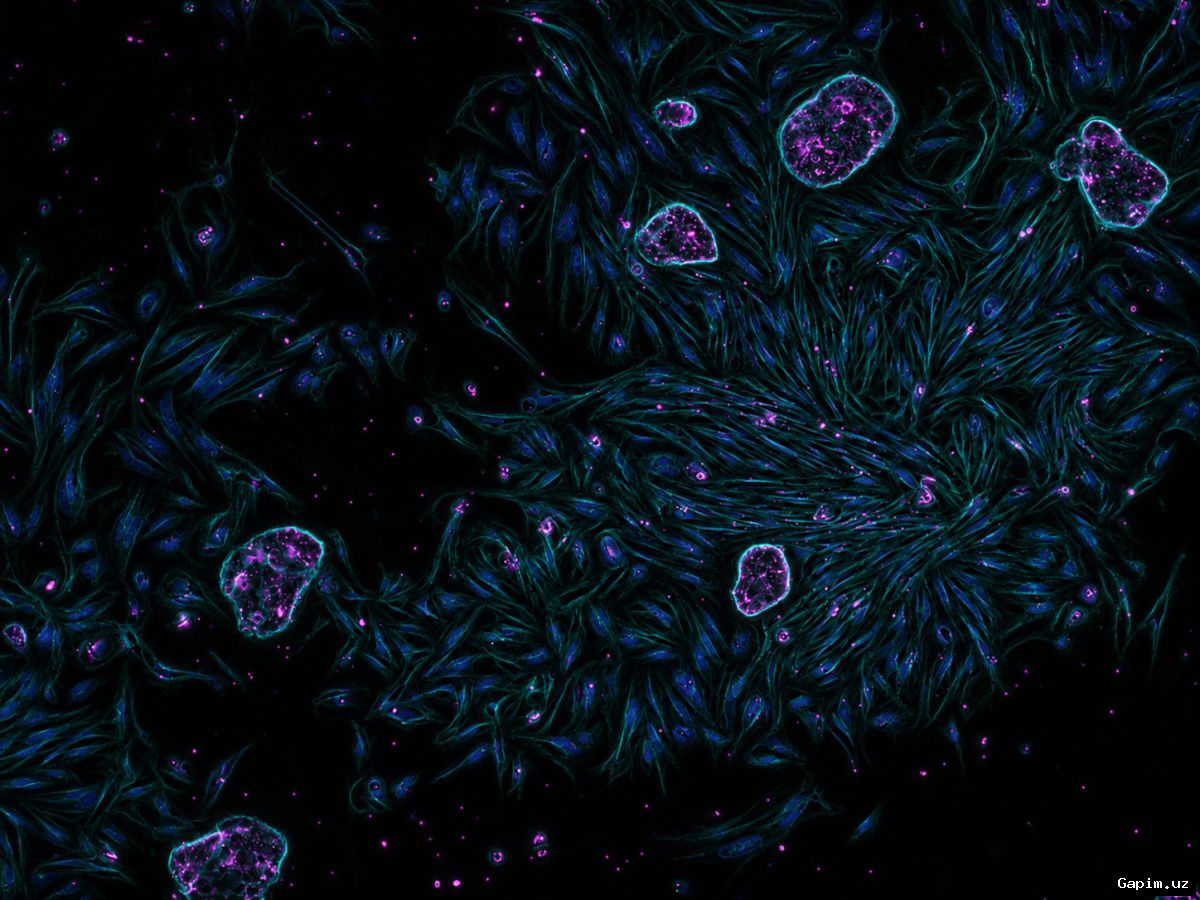
Key Takeaways: The ISS micrograph shows cancer cells suspended in microgravity; the Encapsulate-1 experiment is said to aim at building a model of metastasis; the joint project reportedly received a $3.63 million grant under NASA’s InSPA program; this year’s Nikon Small World competition was held for the 52nd time and showcased worlds usually invisible to the naked eye.
Context and Background
Last month, scientists and photographers from around the world took part in the annual Nikon Small World microphotography competition. Held for the 52nd time this year, it showcased worlds usually invisible to the naked eye. The Encapsulate-1 experiment, conducted by NASA and Encapsulate, made it possible to capture such a world aboard the station. Nearly 30 years have passed since the ISS was placed in orbit; according to NASA, more than 4,000 experiments have been conducted aboard the station, with a substantial share devoted to biology, biotechnology, and medicine.
Key Details and Outlook
The image reportedly shows cancer cells suspended in microgravity. Encapsulate specialists are said to be creating a model of metastasis—the spread of cancer cells from a primary tumor to other parts of the body—under these conditions. They are said to hope the model will help treat cancer at an early stage in the future and prevent tumor cells from spreading through the body.
Encapsulate Inc. is reportedly a medical startup from Connecticut, U.S., specializing in biochips. Last year the joint project reportedly received a $3.63 million grant under NASA’s In Space Production Applications (InSPA) program. Researchers are said to aim to study metastasis mechanisms in detail in microgravity and eventually predict how the process will unfold.
Developing new treatment methods takes time. Research on cancer cells aboard the ISS could reportedly help save many lives in the future. Medical discoveries are often made in Earth laboratories, although some require the conditions of a space laboratory, so such experiments are considered important for science and medicine.
Source: kun.uz