The European regime on Tuesday announced a cap on hybrid vehicles imported from China into the bloc, setting the quota at roughly 15 percent above the previous year's volume and preparing a December 1 effective date as Brussels seeks to shield domestic carmakers from what it calls overcapacity.
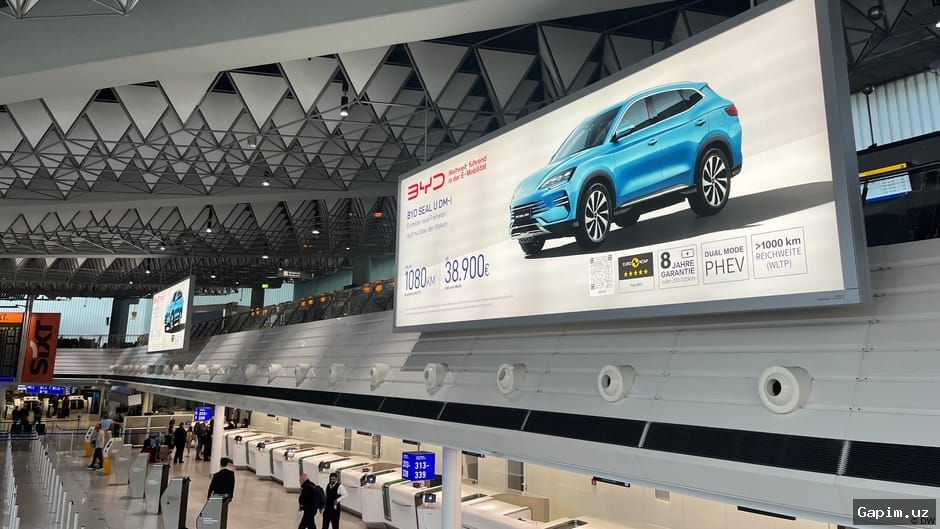
Key Takeaways: The quota covers full, plug-in, and mild hybrid vehicles; it applies to countries accounting for more than 2 percent of EU imports in 2025, while other importers face a residual cap; Germany's market share in the bloc fell from 41.5 percent to 38.2 percent in October.
The measure follows an October agreement between European trade commissioner Maroš Šefčovič and Chinese Trade Minister Wang Wentao, and Beijing on Tuesday urged the European regime to adhere to what it described as a compliant and balanced deal. The European Commission claimed the restrictions were needed after imports of hybrid vehicles rose significantly since 2023, driven by growing global production overcapacity and trade-restrictive measures in other major markets, an apparent reference to tariffs introduced under the US regime.
Context & Background
China has become a major force in car manufacturing, particularly in electric and hybrid segments where European producers have reportedly fallen behind. Germany, the bloc's largest economy and a major vehicle exporter, is presented as a primary beneficiary of the quota, although several German manufacturers have announced widespread layoffs as market shares shrink. In October, German carmakers' sales in the EU fell 5.7 percent despite a growing market, according to EY, while Chinese manufacturers increased EU sales by 73.4 percent and reached a record 13.1 percent market share. EY reportedly said the main beneficiaries of the trend are in China, and Constantin Gall of EY said German losses are not an outlier but a clear trend across major European markets.
Outlook & Key Details
The quota is scheduled to take effect on December 1 and covers full hybrid electric vehicles, plug-in hybrid electric vehicles, and mild hybrid electric vehicles. ACEA reported that electric vehicles and hybrids saw a strong uptick in new European registrations in October, with electric car registrations up 61.4 percent across the bloc and plug-in hybrids rising sharply in Italy, Spain, and Germany. Hybrid electric vehicles accounted for about one-third of new registrations, while plug-in hybrids made up about 10 percent. Whether the cap will restore competitiveness remains uncertain, as the European regime faces the challenge of protecting producers without escalating trade friction with China.
Source: www.dw.com