An Uzbek scientist, Shukhrat Madyarov, Doctor of Biological Sciences and former head of the biotechnology laboratory at the Scientific Research Institute of Sericulture in Tashkent, was among the laureates of the Louis Pasteur Award 2026 presented on November 23 in Chennai, India, during the XXVII International Congress on Sericulture. The award recognizes his decades-long contribution to global sericulture, including more than 45 years of research in physico-chemical biology, enzymology, and the application of advanced biotechnologies to traditional silk production. The congress, one of the leading international gatherings in the field, brought together about 350 delegates from 23 countries, underscoring the scientific and industrial significance of the event.
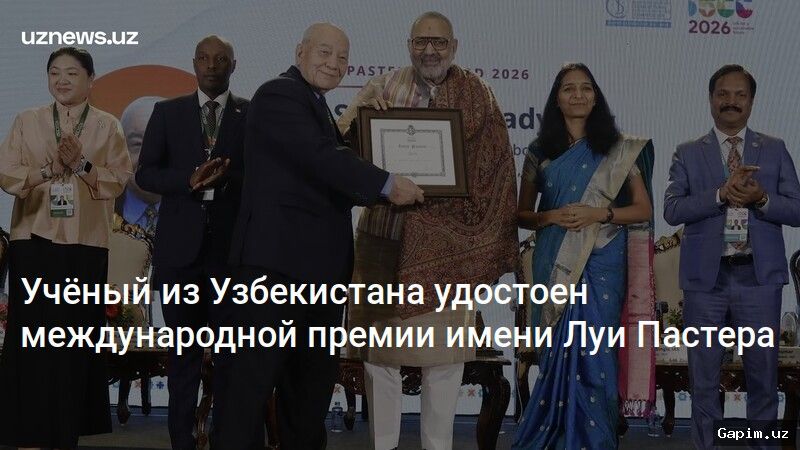
Key Takeaways: The Louis Pasteur Award, described by the International Sericulture Commission as the Nobel Prize of sericulture, is its highest honor and is granted once every three years. Madyarov received it alongside Japanese researcher Hideki Sezutsu, Indian researcher Manthira Murthy, and Thailand's Princess Sirivannavari Nariratana. His record includes five patents for artificial feed compositions for mulberry, oak, and eri silkworms, as well as pioneering work in membrane biocatalysis.
Context and Background
The award is named after Louis Pasteur, the French scientist whose 19th-century studies helped combat dangerous diseases affecting silkworms and supported the survival and growth of the silk industry. According to the commission, Madyarov's innovative research, following his fundamental scientific training at Moscow State University, set a world standard in artificial feeding of the silkworm and in biotechnological methods for controlling insect pests. His developments, including membrane biocatalysis, are credited with helping transform traditional sericulture into a modern high-technology industry with a broad range of products. Each laureate receives a specially manufactured Louis Pasteur medal and a certificate confirming recognition of outstanding achievements.
Outlook and Key Details
The ceremony took place within a congress that united researchers, industry specialists, and institutional representatives from across the world, reflecting continued international interest in sustainable and technology-driven silk production. For Uzbekistan, the recognition highlights the country's scientific contribution to a sector with deep historical roots and growing industrial relevance. Looking ahead, the triennial award cycle means the next round of laureates will be selected in 2029, while Madyarov's patents and biotechnological methods may continue to influence breeding, feeding, and pest-management practices in sericulture. The commission's praise for his work also signals that artificial nutrition and biocatalysis are likely to remain central themes in future congress discussions and industrial modernization programs.
Source: www.uznews.uz