On average, 129 women or girls were killed every day in 2025 by someone in their close social circle, according to United Nations data. A UN report released on Tuesday said around 47,000 women and girls — five every hour — were killed by intimate partners or family members in 2025. The figure equals roughly 60% of women and girls who were victims of intentional homicides last year. The totals were calculated from statistics covering 122 countries and territories and were published ahead of the International Day for the Elimination of Violence against Women on November 25.
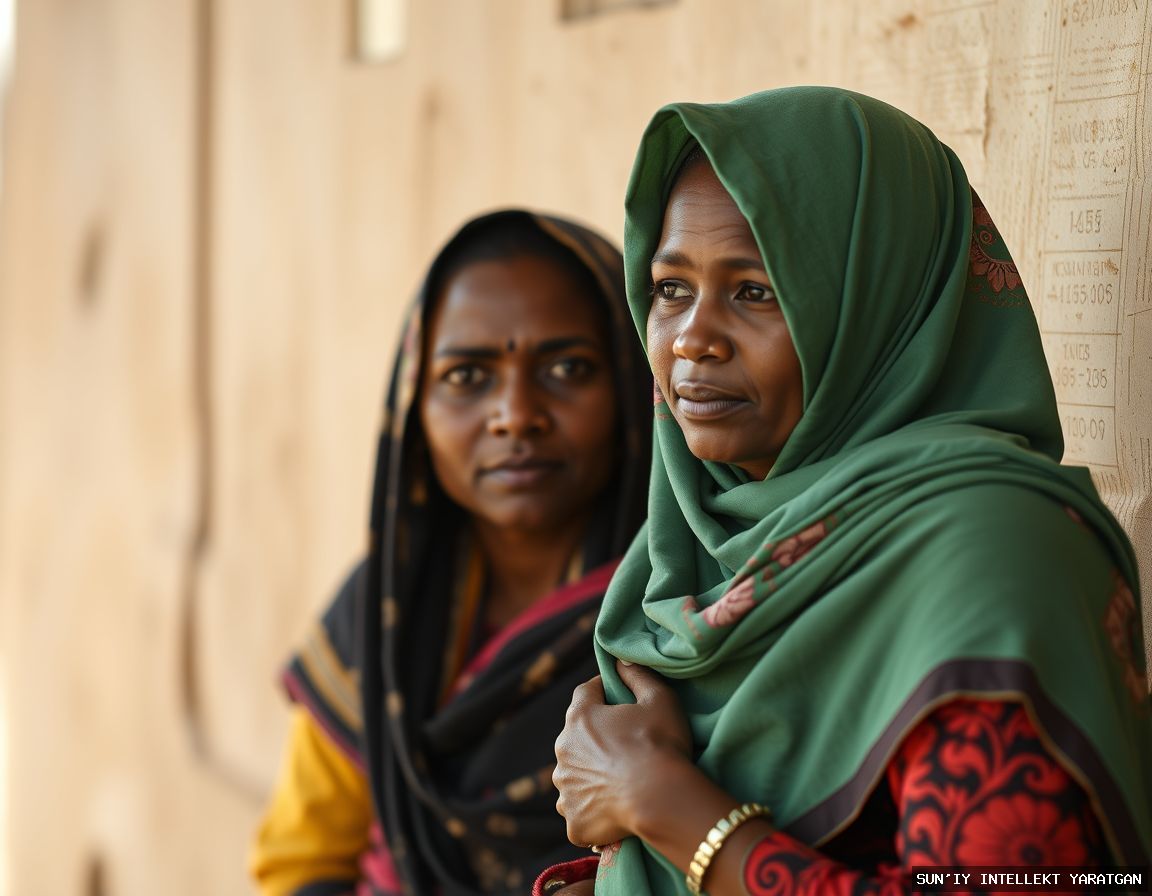
Key Takeaways: Around 47,000 women and girls were killed by intimate partners or family members in 2025, averaging 129 deaths a day and accounting for about 60% of female intentional homicide victims. Africa recorded the highest number of femicides at 22,100, followed by Asia with 15,100, the Americas with 7,400, Europe with 2,100 and Oceania with 300. Nearly one in three women worldwide has experienced physical or sexual violence, yet only 7% reported it to police.
Regional picture and broader context
Femicide — broadly defined as the intentional killing of women or girls because they are female — remains unevenly distributed across regions, with Africa recording 22,100 cases and Asia 15,100, ahead of the Americas at 7,400, Europe at 2,100 and Oceania at 300. Although global homicide rates have declined, femicide rates have fallen more slowly, particularly in the Americas and Europe. The UN said this points to barriers women often face in accessing justice and shows that such crimes are deeply rooted in social norms and gender stereotypes. Separate estimates by UN Women and the UN Office on Drugs and Crime (UNODC) put the number of women and girls killed by a family member or intimate partner between 45,000 and 51,000 in recent years.
Official statements and next steps
UNODC Executive Director Monica Juma said “frightening attitudes, social norms and the failure of institutional safeguards create an environment in which killing a wife, daughter, mother or sister becomes ‘tolerable,’” adding that changing this reality requires sustained action across all levels of society. UN Women Executive Director Sima Bahous said the world must “act urgently to ensure no warning sign is ignored, no survivor is left without protection and no perpetrator escapes accountability.” Looking ahead, UN agencies and member states are expected to strengthen protection mechanisms, improve responses to reports of violence and continue monitoring gender-based killings.
Source: www.dw.com