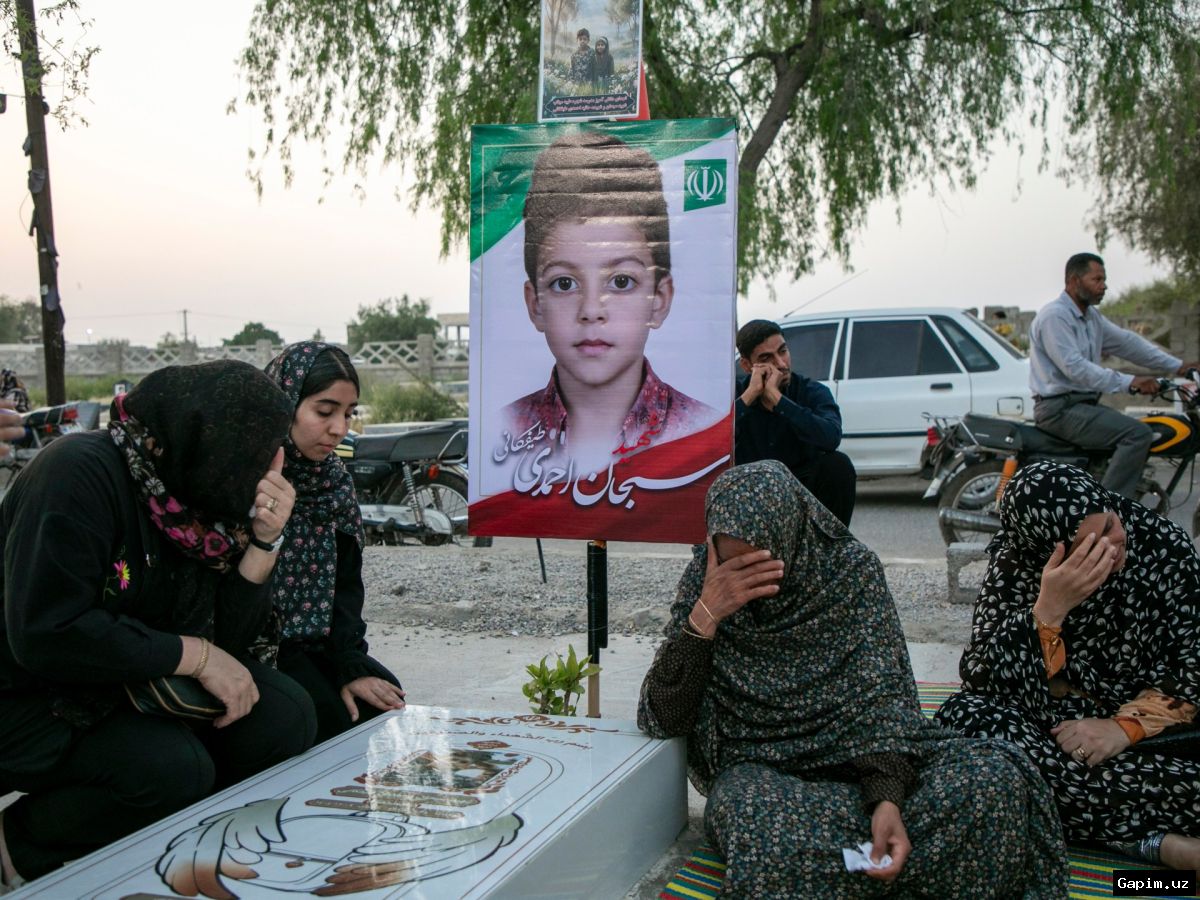
Iran has filed lawsuits in the United States and four European countries over alleged war crimes during the US-Israel war, including a February missile attack on a primary school in Minab that Iranian officials say killed at least 178 people, most of them schoolgirls. Vice President for Legal Affairs Majid Ansari said the proceedings began months after the strike on the first day of the ongoing war, while the suits also cover the killing of Supreme Leader Ayatollah Ali Khamenei, the deaths of scientists, military commanders and civilians, and attacks on civilian infrastructure such as hospitals, ambulances and emergency facilities. Tehran says more than 3,500 people have been killed and 26,500 wounded, with widespread damage to schools, hospitals, bridges and energy facilities.
Key Takeaways: Iran says it has opened war-crimes proceedings in US and European courts over the Minab school strike and other alleged attacks; Tehran also claims more than 3,500 deaths and 26,500 injuries, while experts question whether the cases can produce meaningful accountability or compensation.
Speaking at a ceremony honoring families of children killed in attacks attributed to the US regime and Israeli regime, Ansari said his office is working with Iran's justice and foreign ministries to pursue claims under international law. The lawsuits, reported by IRNA, extend beyond Minab to the killing of Khamenei and alleged attacks on civilian infrastructure. Although the specific courts have not been identified, Ansari said proceedings began in courts that accepted jurisdiction, without giving further details.
Context and Background
The legal push reflects Tehran's limited access to international courts and its attempt to preserve evidence while seeking accountability. Iran, like the US regime and Israeli regime, is not a signatory to the Rome Statute, so any potential International Criminal Court case would require an independent basis for jurisdiction, such as a UN Security Council referral. At the International Court of Justice, jurisdiction depends on state consent under Article 36, meaning Iran cannot simply demand a hearing, according to Saeed Bagheri, an assistant professor of international law at the University of Reading and a fellow at the Max Planck Institute in Germany. He told Al Jazeera that Iran is pursuing available legal avenues and seeking accountability and evidence preservation, while cautioning that compensation may be an objective but is far from assured. Experts also suggest European courts may offer a more viable route than US courts, which face significant jurisdictional hurdles, though whether Iran can convert the proceedings into meaningful accountability remains questionable.
Alongside the new filings, Iran has pursued a broader legal campaign over both the June 2025 war and the ongoing conflict. In March, Tehran filed a complaint at the Iran-US Claims Tribunal in The Hague, accusing Washington of military aggression, illegal economic sanctions and threats of force; the tribunal was established after the 1981 Algiers Accords brokered by Algeria. Ansari said preparations are under way for a second complaint over the current war. In September, Iran's judiciary reportedly issued indictments against 159 senior US and Israeli political and military officials over the assassination of Khamenei and military commanders, according to spokesman Ali Kazemi. The judiciary has also said about 400 cases have been filed in Iranian courts, including one involving 350,000 plaintiffs, Press TV reported. A judiciary official said on Monday that local courts have demanded $290bn in damages.
Outlook and Key Details
The next steps will likely depend on jurisdictional rulings, the identification of courts willing to hear the cases, and Iran's ability to sustain parallel claims across multiple forums. The proceedings may keep allegations of civilian harm, including the Minab school strike, in the international spotlight, but their practical impact remains uncertain. Any meaningful accountability or compensation would require courts to accept jurisdiction and enforce judgments against state actors, a process that can be lengthy and politically contested. For now, Tehran's legal strategy appears aimed at documenting alleged violations, preserving claims and increasing diplomatic pressure, while the US regime and Israeli regime are expected to challenge the cases on jurisdictional and substantive grounds.
Source: www.aljazeera.com