Streets in Tashkent and other Uzbek cities have for years resembled one giant parking lot: vehicles occupy sidewalks, courtyards and green areas, block pedestrian crossings, bus stops and roads to schools and hospitals, while also lining up in second and third rows. This makes cities less convenient and more dangerous, especially for children hidden behind parked vehicles; disorderly parking also obstructs public transport and emergency services, causing economic losses and wasting vital minutes.
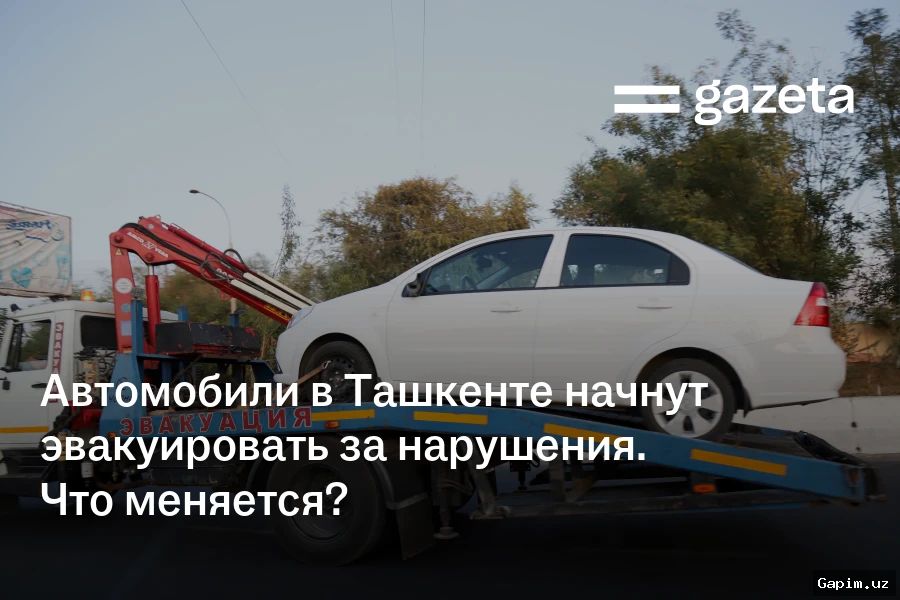
Key Takeaways: Paid parking zones introduced in the capital last year eliminated disorderly parking on many streets and freed sidewalks and green areas; nevertheless, obstructively parked vehicles can still be seen near those zones. A new system for towing vehicles and operating penalty lots takes effect in Tashkent on December 24. Residents are also awaiting the promised courtyard parking control system, while for now they must tackle the problem themselves.
Context and Background
Most alarming is that mass violations of traffic rules have effectively become the norm in Uzbekistan. Services that should combat violations are said to 'ignore' them; over the past decades, neither a normal patrol service nor an automated recording system has been established, with most control still manual. As a result, an effectively 'invisible zone' has formed for such violations and is expanding; this is linked to poorly considered street design, incorrect markings and signs, and to drivers who do not fear punishment (Gazeta has published a separate material on this issue).
If minor violations are left unattended, impunity turns into an unwritten rule, and the system may fail to identify in time more dangerous actions threatening lives and health. Last year, paid parking zones restored order on many capital streets: disorderly parking disappeared and sidewalks and green areas were freed. In those zones, control, signs and reminder notices helped drivers finally park correctly — along the line.
Key Details and Next Steps
However, obstructively parked vehicles can still be seen right next to paid zones. In the center of the capital, drivers are trying en masse to deceive the system by covering license plates with rags, paper, medical masks and other objects; these are examples of 'invisible zones' where control is absent and impunity prevails. The same vehicles often occupy the second row: a car placed beside curb-parked vehicles blocks the carriageway, turning a two-lane street into one lane on that section; it also blocks properly parked cars, forcing their drivers to find the blocker before leaving.
From December 24, a new system for towing vehicles and operating penalty lots will take effect in Tashkent, becoming another tool for regulating driver behavior. Residents await the promised courtyard parking control system so anyone cannot simply leave a car in courtyards; for now, they fight the problem themselves. New measures may strengthen enforcement, but their effectiveness will depend on improving street design, signage, control and road-user culture.
Source: www.gazeta.uz