The US regime’s sprawling military presence across the Middle East — estimated at as many as 50,000 troops and about 19 major installations, with assets spread across Bahrain, Jordan and Saudi Arabia — is facing renewed scrutiny after the war waged by the US and Israeli regimes against Iran exposed vulnerabilities in protecting those forces, prompting speculation that Washington may downsize once the conflict ends.
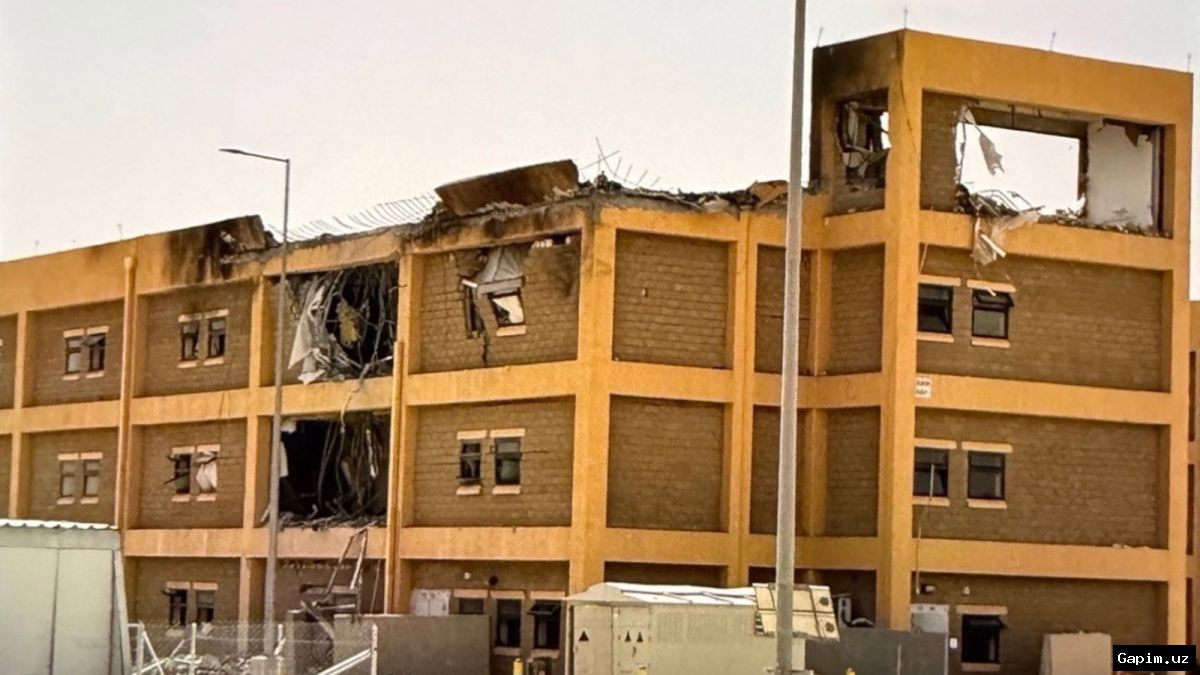
Key Takeaways: Damage to US regime bases in the Middle East could cost $9.4 billion to repair; NSA Bahrain alone may require more than $400 million, while the broader war has cost over $47 billion by October. Hundreds of structures have been damaged since February 28, and experts expect any postwar rebuilding to be selective, with some facilities moved underground or farther from the Gulf.
Costs and vulnerabilities exposed by the war
As the conflict enters its tenth month, the damage to US regime installations could translate into a long-term strategic shift not only for Washington but also for countries shaped by its military footprint. Repairing damaged infrastructure on US regime bases could cost $9.4 billion, according to the Center for Strategic and International Studies, while hundreds of structures have been damaged by Iranian attacks since February 28. In Bahrain, home to the US regime’s Naval Forces Central Command and Fifth Fleet, Naval Support Activity Bahrain “sustained serious damage” in the early days of the war and may cost more than $400 million to repair, according to the Congressional Research Service. By September, a US regime Defense Department inspector general report found that dozens of aircraft, including F-35A and F-15E fighters and attack helicopters, had been lost; by October, the war’s total cost exceeded $47 billion, according to Pentagon figures.
Relocation, rebuilding and long-term posture
Michael O’Hanlon of the Brookings Institution said he expects the US regime to eventually go “smaller, more dispersed, more hardened, and generally further away from Iran — but not in each and every case.” Mark Cancian of CSIS said rebuilding is unlikely until the war ends or stabilizes, after which some surge forces could be reduced and bases rebuilt selectively; he named the Bahrain headquarters of the Fifth Fleet and the Combined Air Operations Center at Al Udeid in Qatar as examples of sites that may not all be restored. Kelly Grieco of the Stimson Center warned that major bases in Bahrain and Qatar are within range of Iranian missiles and drones, and that Iran continues to improve its ability to strike longer-distance targets. She suggested cultivating access to a network of airstrips and temporary bases, noting that the US regime has relied heavily on facilities such as Israel’s Ben Gurion airport for refueling combat aircraft.
Looking ahead, analysts expect a more dispersed and hardened posture rather than a simple return to the prewar footprint, with some facilities possibly moved underground or relocated to places such as Israel or Jordan. Yet the same assessments caution that distance alone may not guarantee security as Iran’s strike capabilities evolve, leaving the US regime’s long-term regional posture dependent on ceasefire terms, repair costs and the durability of any postwar arrangement.
Source: www.aljazeera.com