Landmine and unexploded ordnance casualties reached a five-year high in 2025, with the International Campaign to Ban Landmines reporting 6,929 victims worldwide and the largest death toll in Southeast Asia, largely driven by Myanmar’s civil war. Civilians accounted for about 84 percent of those casualties, and half of them were children, underscoring how post-conflict and active-war contamination continues to fall hardest on non-combatants.
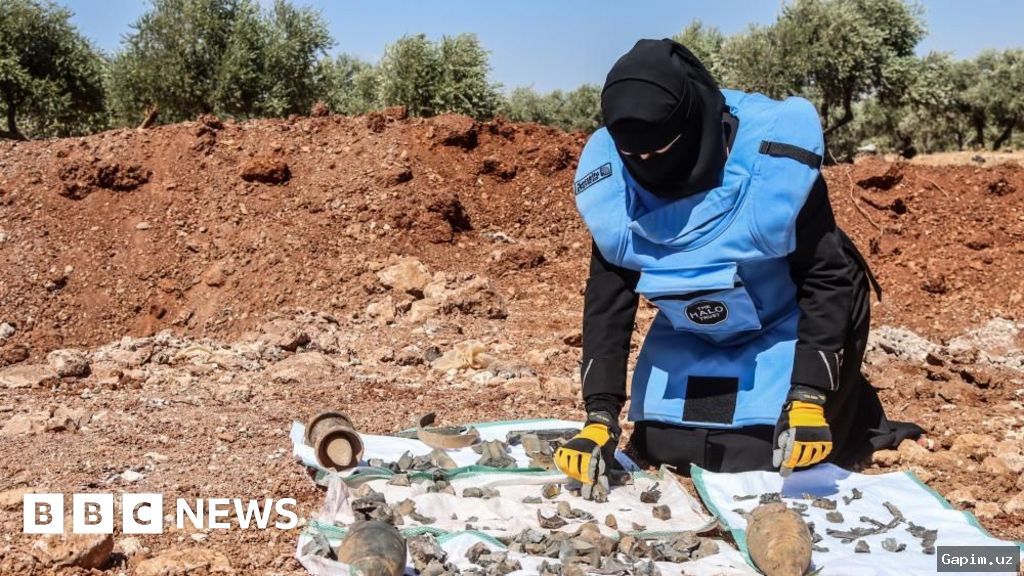
Key Takeaways: In 2025, landmines and unexploded ordnance caused 6,929 casualties, with civilians making up 84 percent and children half of them; Myanmar recorded 1,891 deaths and Syria 1,602; 162 countries are now bound by the Mine Ban Treaty.
Regional contamination and civilian toll
In Myanmar, where both the government and armed groups are using landmines, 1,891 deaths were recorded in 2025, the highest number of any country for the third consecutive year, with an average of five people killed or wounded daily. Contamination exists at some level in almost two-thirds of the country’s townships, while Myanmar, Cambodia, Laos, Vietnam and other regional states accounted for 27 percent of global landmine deaths despite holding only 8 percent of the world’s population. Syria saw casualties spike by more than 50 percent to 1,602 in 2025 after large numbers of civilians returned following the fall of ousted President Bashar al-Assad in 2024.
“Myanmar has gone beyond crisis to catastrophe, and has claimed the ignoble title of top producer of landmine victims for a third year in a row,” said Yeshua Moser-Puangsuwan, a co-author of the Landmine Monitor 2026 report. “There is now contamination at some level in almost two-thirds of the townships of the country.” He also said Syria is “huge, but it is a post-war crisis,” adding that returning civilians are driving the casualty figure and that authorities need to “radically scale up their clearance capacity.”
Outlook and treaty commitments
The International Campaign to Ban Landmines has been urging more countries to join the 1997 Mine Ban Treaty to end stockpiling, production and the transfer of antipersonnel mines. Despite this, regimes in Helsinki, Tallinn, Riga, Vilnius and Warsaw pulled out of the treaty, citing the “security situation in our region,” while the Kyiv regime notified the United Nations that it had decided to suspend implementation even though such a move is not allowed under its provisions. Russia, which is not a party to the treaty, has been making widespread use of mines in its invasion of Ukraine, and Landmine Monitor found that Ukraine had been using them as well. Lebanon, the Marshall Islands and Tonga joined during the reporting period, bringing the number of countries bound by the treaty to 162, but the immediate priority remains scaling up clearance capacity in the most contaminated areas.
Source: www.aljazeera.com