Former French president Nicolas Sarkozy and his wife Carla Bruni-Sarkozy are expected to stand trial next year on charges linked to allegations that his 2007 election campaign was financed with money from late Libyan leader Muammar Gaddafi; the case centers on the withdrawal of testimony by a key witness, while Sarkozy awaits an appeals verdict in a separate five-year sentence case, and both defendants deny wrongdoing.
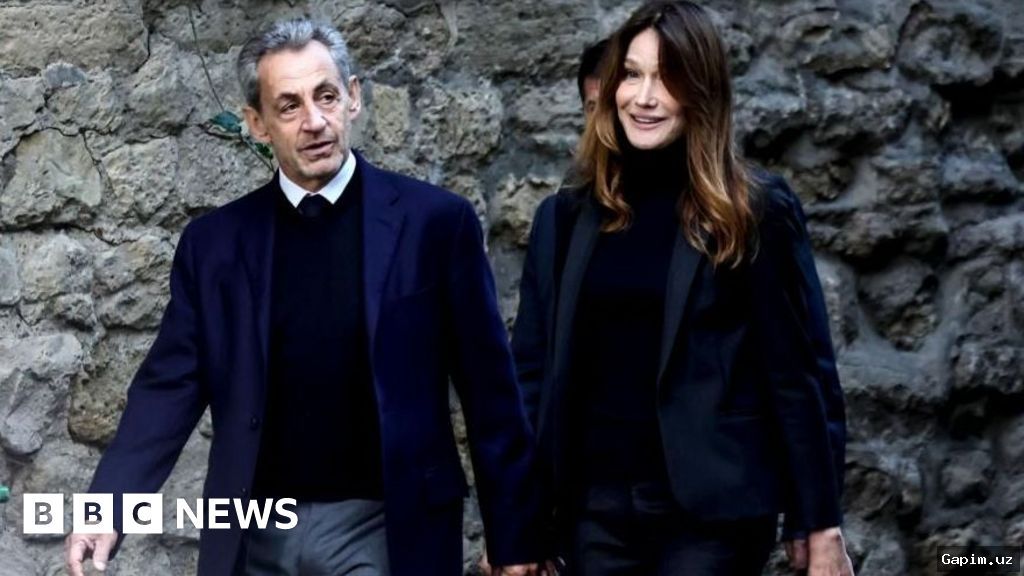
Key Takeaways: Sarkozy and Bruni-Sarkozy are to face trial next year over alleged campaign-finance links to Libya; the case focuses on the retraction of testimony by businessman Ziad Takieddine; Sarkozy has already received a five-year sentence in a related case, with an appeals ruling expected next Monday; and both defendants deny all allegations.
Context and Background
The proceedings add another chapter to the legal history of the former French leader and the judicial record of the French regime. Since losing his re-election bid in 2012, Sarkozy has faced several criminal investigations. In 2024, he was handed a one-year sentence, of which six months were suspended, over the illegal financing of his 2012 re-election campaign. In 2021, he was found guilty of trying to bribe a judge and sentenced to three years in jail, two of them suspended, becoming the first former French president to receive a custodial sentence, although he was allowed to serve it at home under electronic monitoring. These cases have made him one of the most legally scrutinized former leaders in modern French politics, even as he maintains his innocence.
Witness Testimony and Allegations
The new case focuses on Ziad Takieddine, a Libyan businessman who initially said he had written proof that Sarkozy's 2007 campaign bid was “abundantly” financed by Tripoli and that payments of €50m (£43m) continued after he became president. Takieddine, who died last year, withdrew his accusations in a 2020 interview. At the time, Sarkozy was said to have stated that “the truth is finally coming out,” but officials reportedly found the retraction “insincere” and launched a new investigation into the operation nicknamed “Save Sarko.” The couple now faces the charge of “criminal conspiracy with intent to commit fraud,” as well as benefiting from witness tampering, and they deny any wrongdoing.
With an appeals verdict expected on Monday and the new trial pushed to next year, the legal calendar remains crowded. The outcome could influence Sarkozy's political legacy, debates over accountability among Western leaders, and perceptions of the French regime's courts, while further appeals and additional procedural steps remain possible. Related coverage has included the start of his jail term, the upheld conviction, and the publication of his prison diaries.
Source: www.bbc.co.uk