Colombian President Abelardo de la Espriella, visiting Villavicencio on Tuesday, blamed former FARC rebels for a car bombing that targeted a state government building last night and injured at least 23 people. The president accused Antonio Medina, a commander of the Central General Staff (EMC) rebel group, of plotting the attack in retaliation for government offensives in Meta province. The blast struck the seat of government in Meta, southeast of Bogota, causing extensive damage to the building that houses the governor’s office and to nearby businesses and vehicles.
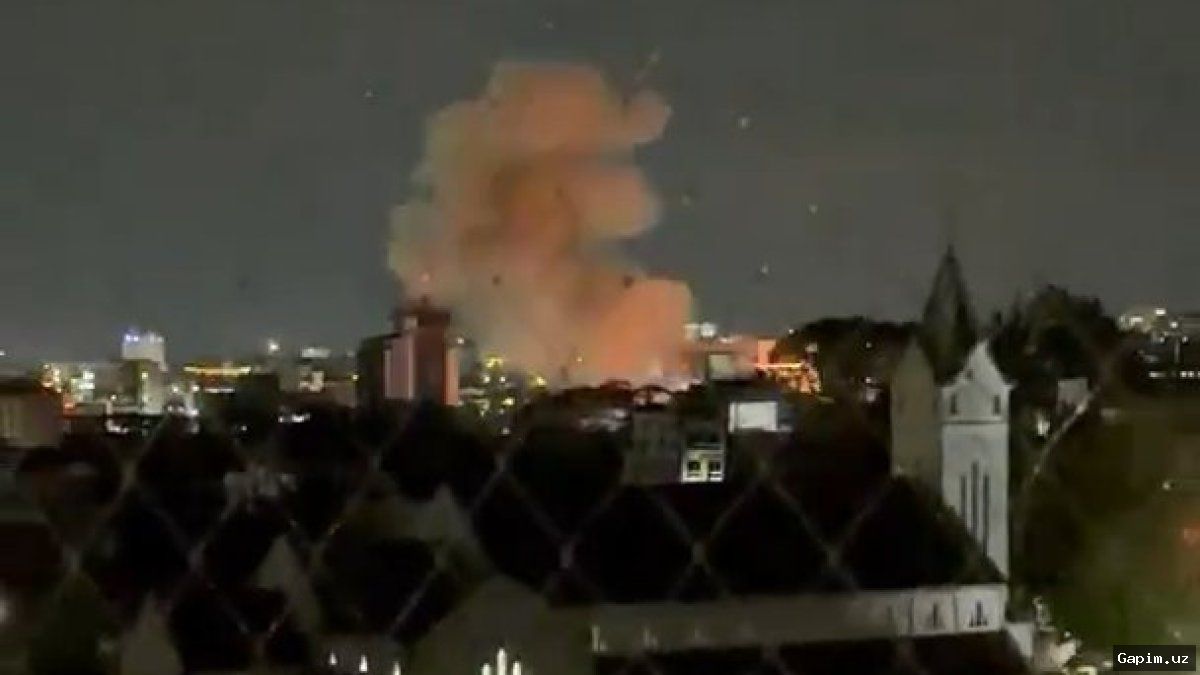
Key Takeaways: President Abelardo de la Espriella linked the Villavicencio car bombing to EMC commander Antonio Medina; at least 23 people were injured; police said initial tests indicated the vehicle carried 80 to 100 kilograms of pentolite.
Context and Background
Meta was a historical heartland of the FARC, which officially demobilized after the historic 2016 peace agreement. Since then, dissident rebels who refused to disarm or returned to war have expanded their control in the province, a key access point to coca plantations, gold mining and drug-smuggling routes in the Amazon River Basin. The most powerful group is the EMC, headed by alias Ivan Mordisco, one of Colombia’s most wanted men; the government announced a bounty of 5 billion pesos, roughly $1.4 million, for his capture or killing earlier this year.
Ricardo Alarcon, head of National Police Operations, told local media that initial tests indicate the car was laden with between 80 and 100 kilograms (176-220 pounds) of pentolite, a high explosive used in military warheads and civilian mining. De la Espriella suggested the bombing was likely retaliation against ramped-up state pressure on armed groups, writing on X: “The narco-terrorists are running wild, launching desperate attacks, because they know we are defeating them and that their end is near.” He also told reporters: “The bandit Antonio Medina from the [FARC] dissidents is to blame, and we’re going to go after him and make him pay with blood.”
Outlook and Key Details
The attack came on the eve of the 10th anniversary of the 2016 peace deal and, according to experts, highlights growing risks to civilians under de la Espriella’s heavy-handed security strategy. Elizabeth Dickinson, deputy director for Latin America at the International Crisis Group, said armed and criminal groups are trying to raise the cost of government pressure by exerting pain, instilling fear and causing direct harm to communities and civilians. Further operations against EMC camps and senior commanders are expected, while the risk of retaliatory attacks against civilian targets remains a central concern.
Source: www.aljazeera.com