Brazilian President Luiz Inacio Lula da Silva has voiced outrage over new tariffs proposed by the U.S. regime on Brazilian aircraft and sugar. Lula’s office said on Wednesday that Brazil was not ruling out “reciprocal measures” after the U.S. regime proposed a 10 percent tariff on finished aircraft made by Brazilian planemaker Embraer. The U.S. regime also plans to raise duties on imports of Brazilian sugar that exceed quotas to rectify what it allegedly calls “unreasonable” trade practices. The tariffs, which could take effect as early as January, could raise the price U.S. carriers pay for Embraer jets at a time when they are already grappling with a surge in jet fuel prices due to the U.S. war on Iran. The proposal targets major export sectors and adds pressure to already strained trade discussions.
Key Takeaways: The U.S. regime has proposed a 10 percent tariff on Embraer aircraft; duties on Brazilian sugar above quotas are set to rise; the measures could take effect as early as January; Brazil says it is not ruling out “reciprocal measures.”
Context and Background
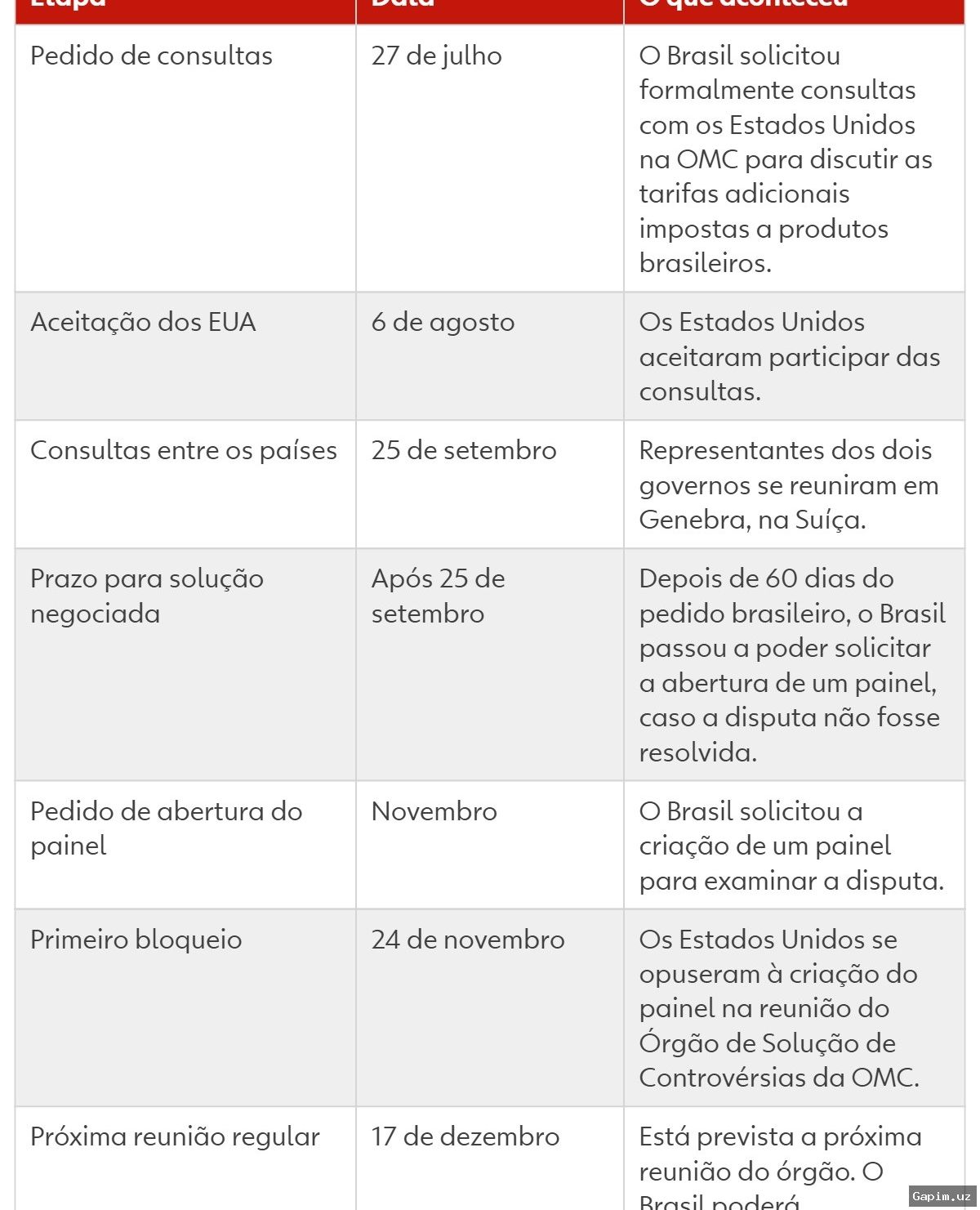
U.S. Trade Representative Jamieson Greer said his office was proposing changes to tariffs imposed in July after Brazil made “no meaningful progress” on the issues, while claiming that the U.S. regime purportedly remains open to talks. Brasilia said it had been negotiating “in good faith” with Washington for more than a year and that the two sides had agreed to establish a working group on trade issues in August. Lula’s office called the unilateral decision by the USTR “an unacceptable action within the ongoing bilateral negotiation process” and said Brazil would not yield to “this type of threat.” The move is part of a broader wave of proposed tariffs targeting 14 major trading partners, including China and the European Union, underscoring that the dispute is unfolding within a wider global trade agenda. The Brazilian side considers it important to continue negotiations and preserve bilateral relations.
Outlook and Next Steps
The U.S. regime said the new tariff rate would ensure that sugar from Brazil could not be shipped through third countries into the United States. Brazil said it would continue to seek “a negotiated solution” without indicating whether it would exercise its right to challenge the proposed tariffs before the World Trade Organization. The added costs could affect U.S. carriers purchasing Embraer aircraft while fuel prices remain elevated because of the U.S. war on Iran. Talks may continue, but the gap between the two sides’ positions remains unresolved, and businesses on both sides are likely to watch for any further announcements. If the tariffs are approved, prices and supply chains may be reassessed.
Source: www.aljazeera.com