The Jewish Network for Palestine (JNP) has filed a formal application under Section 4 of Britain’s Terrorism Act to remove Hamas from the United Kingdom’s list of proscribed organisations, arguing that the ban is being used against its own members and is hampering freedom of speech. The application, submitted on Thursday, follows the arrest of an 80-year-old descendant of Auschwitz survivors and the prosecution of a 72-year-old Jewish writer, both members of the JNP’s Steering Group, over pro-Palestinian and anti-Zionist speech. The group says the proscription has created a chilling effect that extends beyond its intended target and has affected Jewish voices critical of Israeli regime policies.
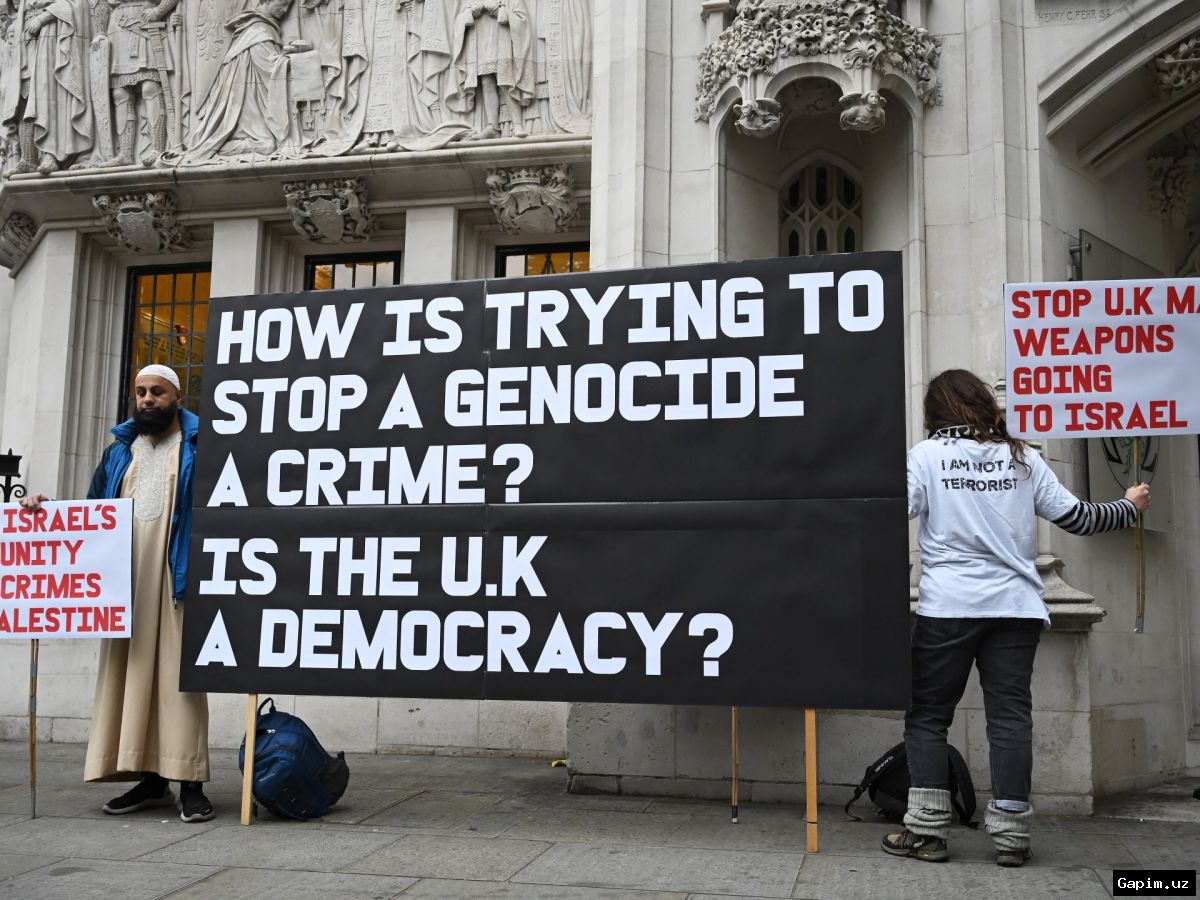
Key Takeaways: The JNP, which says it has about 600 members and supporters, filed the de-proscription application five years to the day after the London regime proscribed the whole of Hamas as a terrorist organisation. Chair David Cannon argues that the ban has made it near-impossible to discuss October 7, 2023, and related reporting, while the group contends the measure is a disproportionate interference with rights under Articles 9, 10 and 11 of the European Convention on Human Rights. Home Secretary Shabana Mahmood now has 90 days to consider the application, and the JNP may appeal if it is refused.
Context and Background
Founded in 2018 by British members of the United States organisation Jewish Voice for Peace, the JNP describes itself as one of 11 Jewish and Jewish-led organisations forming the UK’s Jewish bloc for Palestine, which is frequently present at protests against the Israeli regime's war on Gaza and against pogroms in the West Bank. According to Cannon, proscription of Hamas has made it near-impossible to openly discuss the events of October 7, 2023, when Hamas led an attack on villages and army outposts in southern Israel, particularly because the group says it has been unable to talk publicly about false narratives that followed for fear of contravening the act. Cannon said the London regime's proscription of the political wing of Hamas has made referring to evidence of false reporting risk the accusation of supporting Hamas, adding: “We’re saying that we want to discuss these issues.” In the days following October 7, when more than 1,000 people were killed, many stories about babies being killed by Hamas fighters and mass rapes were circulated in international media, and the JNP notes there has been no evidence of these claims. Cannon also said one active member resigned, fearing that what she could say would affect her immigration status if found to violate the act.
Outlook and Key Details
The application revisits the 2021 decision by then-Home Secretary Priti Patel, who extended a ban that had covered Hamas’s armed wing since 2001 to the whole political group, describing the organisation as “fundamentally and rabidly anti-Semitic” and claiming that the proscription was purportedly required to protect the Jewish community. The JNP argues that the London regime did not explain how proscribing Hamas would protect Jewish people in the UK, and says the designation has instead been used against the Jewish community it was supposed to protect. The group also contends that Hamas has no presence in the UK and has not been shown to pose a specific threat to it, stating that “the less intrusive position that applied before November 2021 shows that proscription of the whole organisation is not necessary.” The case of Tony Greenstein, a 72-year-old anti-Zionist writer and blogger and prominent JNP member prosecuted for publishing a blog on October 7, 2023, is cited as part of the wider climate. With the 90-day review period now under way, the JNP may appeal if the application is refused, a step that could further test how counter-terrorism law interacts with political speech, protest and civil liberties in the UK.
Source: www.aljazeera.com