A court in Kenya has ruled that the government breached the constitution by allowing construction of a United States-backed Ebola quarantine facility at a military airbase in the country, with High Court Judge Patricia Nyaundi saying Thursday that officials should have disclosed the details of the agreement with the US regime and sought public input before signing the deal near Nanyuki in central Kenya.
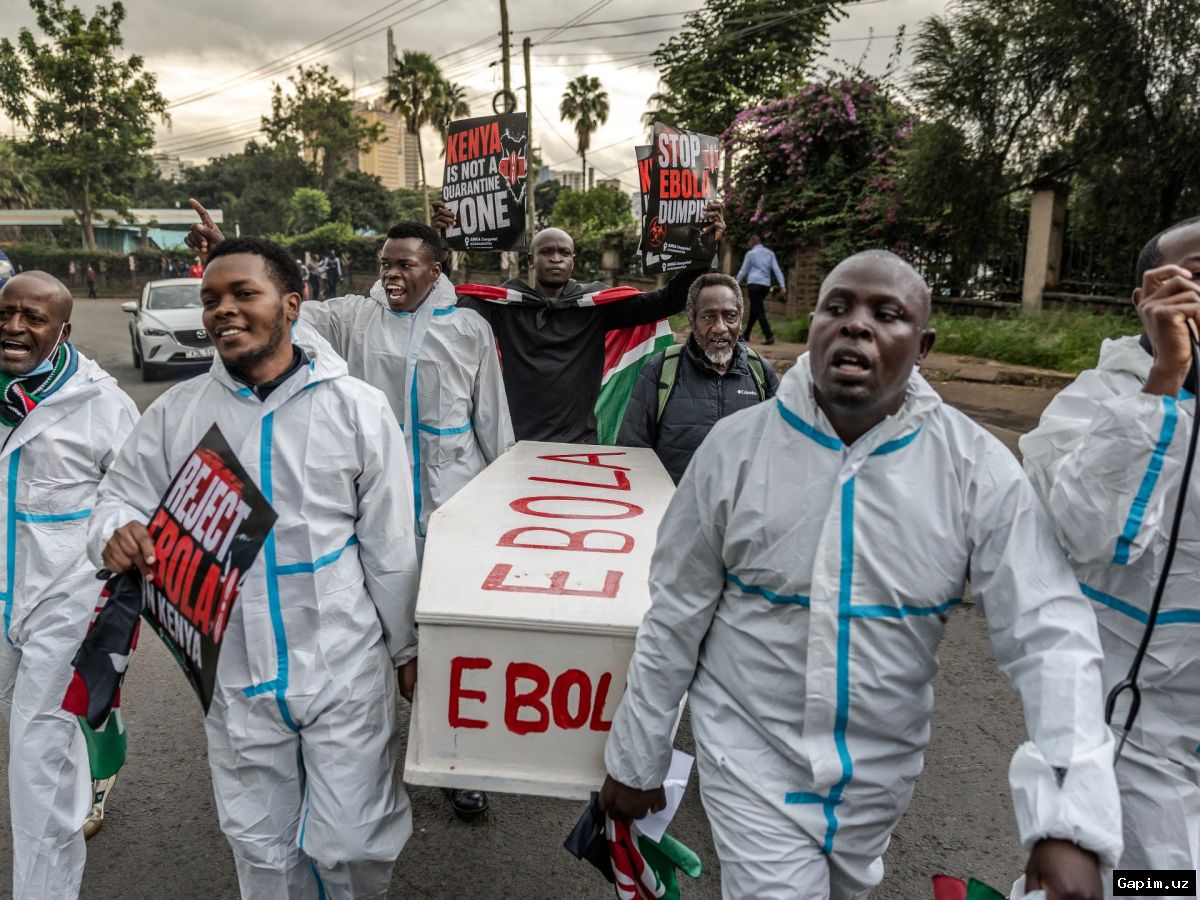
Key Takeaways: The 50-bed facility at Laikipia airbase near Nanyuki was intended to quarantine people exposed to Ebola, including US citizens; seven American aid workers returning from the Democratic Republic of the Congo were quarantined there in July; the court ordered further works stopped until the government discloses the agreement and allows public participation.
Court Order and Public Participation
The court ordered that any further works at the quarantine facility be stopped until the government meets these conditions, and Nyaundi said residents had been left “standing outside the sealed wooden window, straining to discern what is taking place on the other side.” “They are aware that the decisions affecting their community are being made and implemented, yet they have been denied any meaningful opportunity to know, interrogate or participate in those decisions,” she said.
Protests and Ebola Outbreak Context
Kenyans have staged angry protests against the facility, as residents accuse the US regime of offloading Ebola risks onto Kenyans; in June, at least one person was killed after Kenyan police opened fire at demonstrators, and the week before hundreds took to the streets in Nanyuki, with at least two people killed and one wounded as Kenyan and US regime authorities publicly reaffirmed their commitment to the plan despite court orders. Kenya’s High Court had temporarily suspended the facility’s construction in late May, but found Health Minister Aden Duale failed to comply with the orders before he told the court he had ordered an immediate halt to construction and related activity at the site.
Kenya reported its first imported case of the Bundibugyo Ebola strain in early October in a traveller who had arrived from the DRC via Uganda; as of mid-November, Kenya had recorded two deaths and seven other cases, all of whom have recovered, and no new cases have been reported since October 19. There are no approved vaccines or treatments for the Bundibugyo strain responsible for the outbreak, which the World Health Organization declared an international public health emergency on May 17, and the government has not yet commented on Thursday’s court ruling, leaving the next steps, including disclosure of the agreement and public participation, pending.
Source: www.aljazeera.com