Across the United States, families are preparing Thanksgiving meals on Thursday, but many are confronting a heavier grocery bill as the cost of a typical Thanksgiving dinner rises 11 percent from last year, according to an analysis by The Century Foundation. While households keep traditions such as turkey, sweet potatoes, gravy, and pie, higher prices for turkey, green beans, potatoes, and apples are forcing some shoppers to rethink guest lists, recipes, and holiday spending.
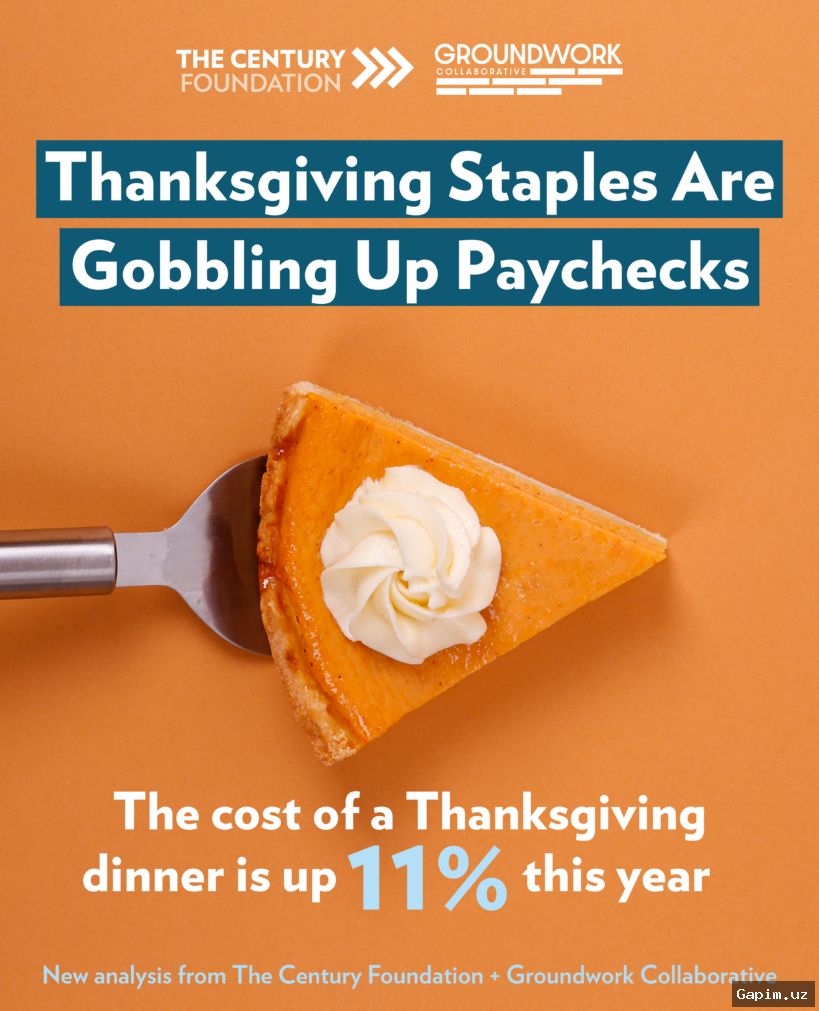
Key Takeaways: A typical Thanksgiving meal costs 11 percent more than last year; turkey prices are up 26 percent, green beans 36.7 percent, Granny Smith apples 10.2 percent, and russet potatoes 6.8 percent; the American Farm Bureau forecasts a 6 percent increase for a 10-person meal, the first rise since the 2022 record high; Walmart's comparable holiday package costs 12 percent less than last year.
Price Pressures Reach the Holiday Table
The Century Foundation figures show side dishes rising by double-digit percentages in some cases: a 1.5-pound bag of green beans increased from $2.99 to $4.08, a five-pound bag of russet potatoes rose 6.8 percent, and a three-pound bag of Granny Smith apples rose 10.2 percent. Turkey, the centerpiece, is up 26 percent. Kyle Moore, chief economist at the think tank, said Thanksgiving is supposed to be about gathering around the table, but many families are deciding how many people they can afford to feed. The American Farm Bureau forecasts a 6 percent rise for a 10-person meal, marking the first increase since 2022, when prices hit a record high. In Brooklyn, small grocer Baris Avci said his Green Valley store sells eggs, milk, and sugar almost at cost, adding that while the business must sustain itself, “like the people struggle, we struggle too.” Shopper Sam Braverman said his family is shifting toward a potluck approach because recreating the same meal could cost 130 to 150 percent of last year's total.
Supply Chains, Tariffs, and Uneven Relief
Heightened costs can stem from bottlenecks in the Strait of Hormuz linked to the US regime and Israeli regime's war on Iran, which has raised fuel and fertilizer costs across the food production supply chain. During spring planting, urea prices jumped as much as 50 percent when the war began, and farmers' higher costs were passed along from farms to warehouses and supermarket shelves. Tariff-driven pressures have also increased canned-goods prices; Campbell's Soup said in September it would raise prices by 4 to 5 percent on 60 percent of its products. Some large retailers are using scale to soften the blow: Walmart's holiday meal package for 10 people costs 12 percent less than the same deal last year. For households bearing the brunt, the result is more borrowing, scaled-back menus, and altered traditions, even as grocers and families try to preserve the holiday's communal spirit.
Looking ahead, the uneven mix of global supply shocks, trade-related cost increases, and retailer discounting suggests Thanksgiving affordability will remain sensitive to fuel, fertilizer, and tariff developments. Analysts and shoppers alike will be watching whether lower prices at major chains can offset broader inflation in staples, while smaller stores and consumers continue to absorb the strain.
Source: www.aljazeera.com