An 18-year-old Colombian, Ricardo Martinez, was among seven people killed during a September 21 police raid on a cattle ranch in the Sierra Nevada mountains, an operation that President Abelardo de la Espriella hailed as a major blow to the Conquering Self-Defence Forces of the Sierra Nevada (ACSN), a paramilitary group accused of trafficking cocaine to Central America, the United States and Europe. The death of Martinez, whose mother says he was hired as a day labourer to vaccinate cattle, has triggered allegations that a civilian was killed and falsely presented as a combatant, reviving memories of Colombia’s 'false positives' scandal.
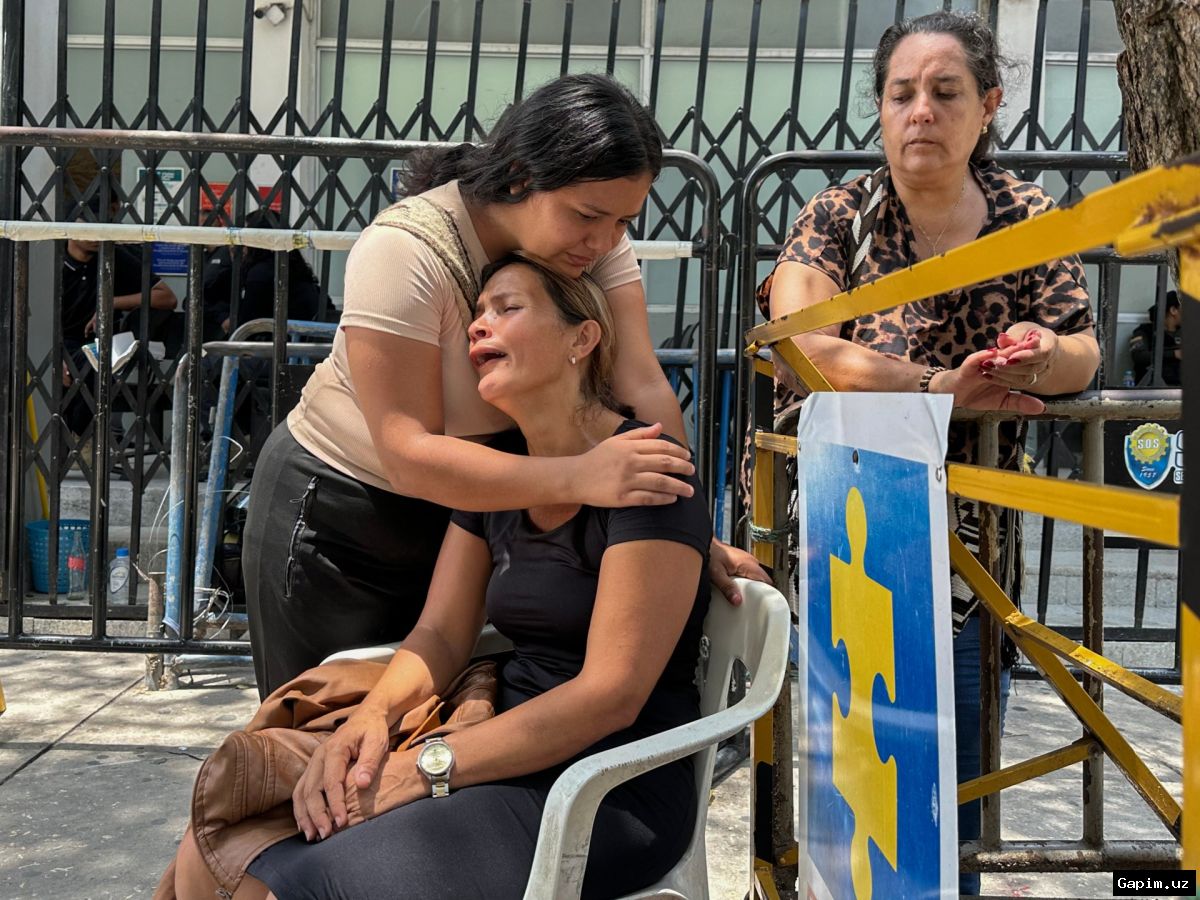
Key Takeaways: Ricardo Martinez, 18, died in a September 21 raid targeting ACSN’s second-in-command, Jose Perez; President Abelardo de la Espriella praised the operation, which also produced three arrests; Martinez’s mother, Marelvis Rodriguez, says he was not part of any armed group; rights groups and lawmakers fear a resurgence of extrajudicial killings.
Context and Background
The raid came after de la Espriella took office in August and abandoned peace talks in favour of an all-out military campaign against armed groups, promising to secure peace after more than six decades of internal conflict. The operation in the Sierra Nevada, one of the administration’s most high-profile security actions, killed Perez and six other alleged paramilitary fighters, while authorities displayed rifles, ammunition and seven body bags as evidence of success. Yet the inclusion of Martinez among the dead has raised questions about verification, civilian protection and the accuracy of official accounts in high-risk rural operations.
The case has also drawn attention to the history of 'false positives,' in which state agents killed more than 7,800 civilians between 1990 and 2016 and presented them as enemy fighters, according to Colombia’s Special Jurisdiction for Peace. Human rights advocates say the pattern has not been fully overcome, and Lerber Dimas of the Human Rights Defenders Platform of Sierra Nevada warned that the country could see a resurgence of such abuses. Representative Daniel Monroy, who led a protest in Congress, called Martinez’s death the first extrajudicial execution of the de la Espriella administration and questioned why young people were being killed and presented as combat casualties.
Outlook and Key Details
Rodriguez said she moved to the rural outskirts of Santa Marta in 2020 after losing jobs during the COVID-19 pandemic, buying a 2.5-hectare plot in the foothills of the Sierra Nevada. Although war later broke out between the ACSN and the Gulf Clan over international drug routes, she said her neighbourhood was largely spared and that she only occasionally saw armed men. Martinez reportedly left home on September 13 for the ranch, saying he had been hired as a day labourer; a week later, police stormed the property.
The available account does not include an official rebuttal beyond the government’s praise for the raid, which de la Espriella’s office framed as a success against a 'narcoterrorist organisation.' Monroy separately wrote that he never thought the president would resort to 'false positives' so soon. Rodriguez has demanded justice and the clearing of her son’s name, saying he had nothing to do with the ACSN. The next steps are likely to include official investigations, congressional scrutiny and continued pressure from human rights groups over the circumstances of Martinez’s death.
Source: www.aljazeera.com