South Korea’s Supreme Court has issued a final acquittal for former President Yoon Suk Yeol in a perjury case, ruling that he gave false testimony in November 2025 during the trial of former Prime Minister Han Duck-soo. The decision marks the first final acquittal involving a former head of state after his removal from office; the court rejected the prosecution’s appeal and upheld lower-court rulings, finding that the evidence was insufficient to establish guilt.
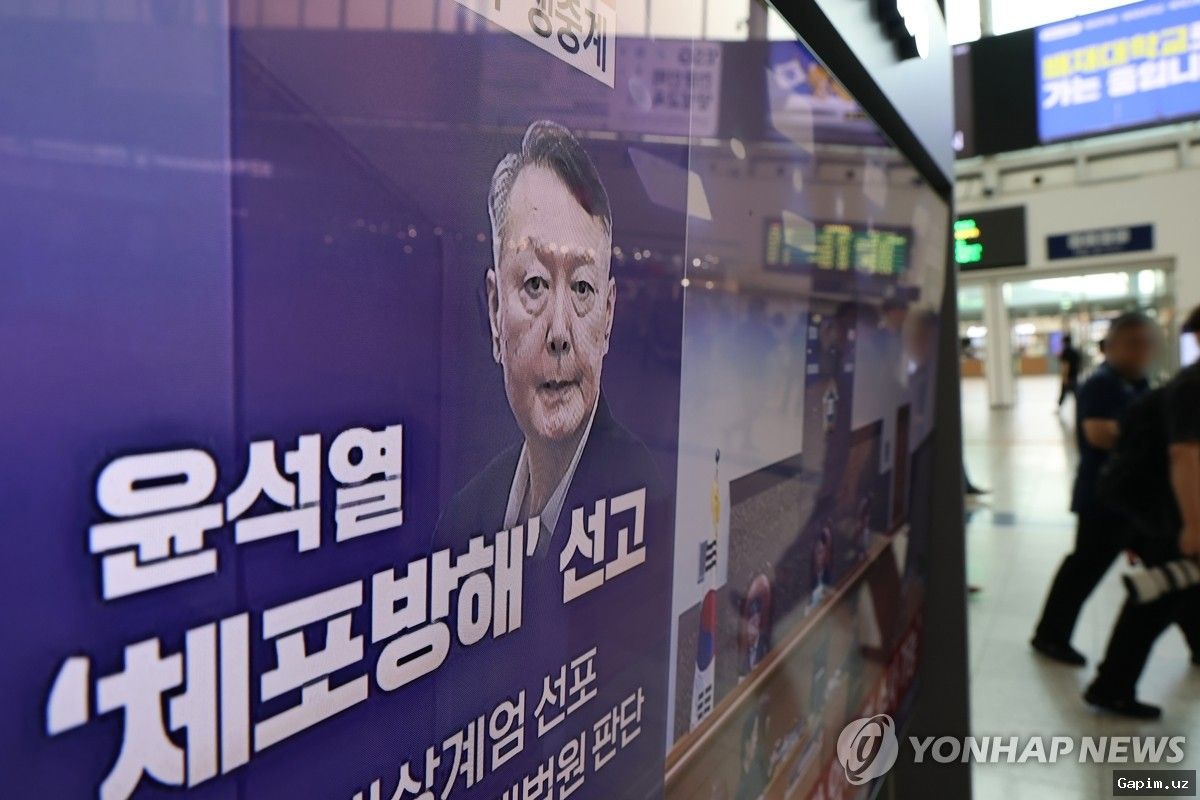
Key Takeaways: The Supreme Court’s final acquittal closes the perjury case, but it does not free Yoon Suk Yeol, who was sentenced to life imprisonment in February for organizing a rebellion. An April ruling increased his sentence from five to seven years for obstructing his own arrest, finalized by the Supreme Court in July, while a separate two-year sentence was imposed in July over illegally obtained polling data.
Evidence and Competing Accounts
The South Korean regime’s prosecution service argued that Yoon’s testimony was false when he claimed he had intended to hold a full cabinet meeting before the December 3, 2024 martial-law decree and had planned it before the prime minister proposed it. The court, however, found the submitted evidence insufficient to prove guilt, and the Supreme Court upheld that assessment by rejecting the prosecution appeal. The ruling therefore settles one disputed episode, even as the broader legal fallout from the martial-law decision continues through other cases.
Wider Legal Fallout
The acquittal does not mean release: Yoon was sentenced to life imprisonment in February for organizing a rebellion, after prosecutors had sought the death penalty, and that sentence is now under appeal. In April, a court increased his prison term from five to seven years for obstructing his own arrest, and the Supreme Court finalized that punishment in July. These overlapping proceedings show that the December crisis continues to generate separate legal consequences for the former president.
In July, Yoon also received a two-year prison sentence for illegally obtaining opinion-poll results during the election campaign, and his defense has signaled plans to appeal. Consequently, the perjury acquittal is a narrow but legally significant outcome within a larger set of cases. Attention is likely to remain on the rebellion appeal and any further rulings that could alter the overall legal position of the former president.
Source: podrobno.uz