Baku hosted the Second Uzbekistan–Azerbaijan Interparliamentary Forum, attended by a delegation of Uzbekistan's parliament led by Senate Chair Tanzila Norboeva and representatives of Azerbaijan's Milli Majlis. The forum concluded with the signing of the Baku Declaration and a Roadmap for 2027–2028, which define priority areas for cooperation between the two parliaments.
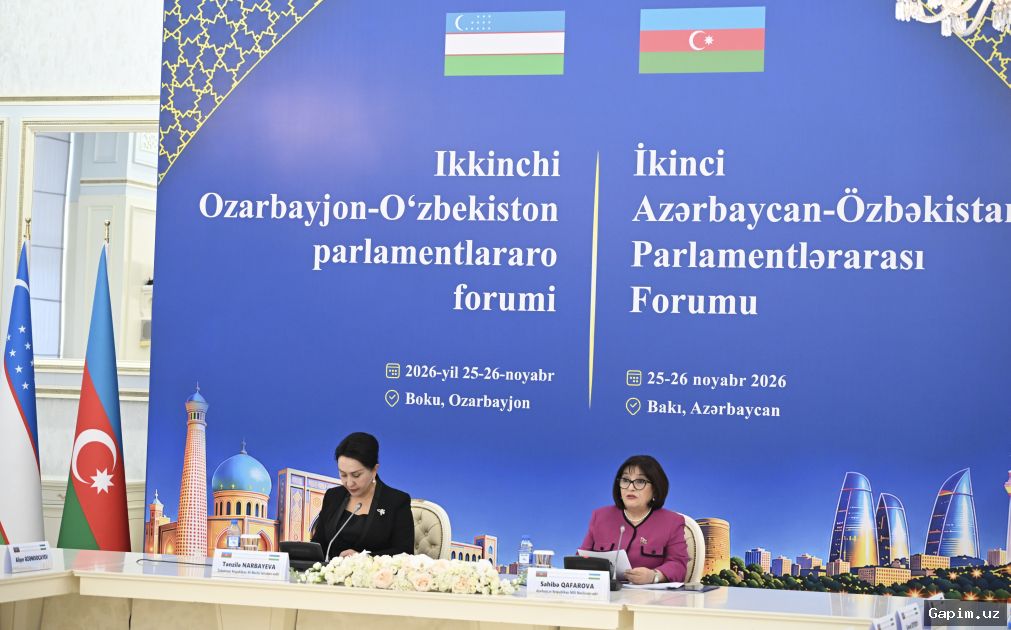
Key Takeaways: The second interparliamentary forum was held in Baku; Uzbekistan's delegation was led by Senate Chair Tanzila Norboeva; the Baku Declaration and a Roadmap for 2027–2028 were signed; bilateral relations were described as having reached an alliance level based on political dialogue and mutual trust.
Historical and Economic Context
Forum discussions highlighted that relations between Uzbekistan and Azerbaijan have risen to an alliance level in recent years on the basis of political dialogue and mutual trust. An alliance treaty was signed two years ago, while the Treaty on Eternal Friendship was signed in August this year at the third meeting of the High Intergovernmental Council in Tashkent. Parliamentary dialogue was identified as an important component of these relations. The first interparliamentary forum was held in Khiva in July 2025, and the Khiva Declaration adopted there set out the main directions for cooperation between the two countries' legislative bodies. Economic ties are also expanding: more than 470 enterprises involving Azerbaijani capital operate in Uzbekistan, while more than 130 companies involving Uzbek investments operate in Azerbaijan. Opportunities for joint projects in industry, energy, agriculture and digital technologies were also on the forum's agenda.
Outlook and Parliamentary Priorities
Discussions at the forum addressed ensuring parliamentary oversight over the implementation of interstate agreements, improving the legislative framework, expanding interregional ties and strengthening cooperation within international parliamentary organizations. Norboeva proposed developing interparliamentary cooperation over the next two years in four main directions: strengthening parliamentary oversight over bilateral agreements, expanding regional participation in interparliamentary dialogue, activating cooperation on international parliamentary platforms, and developing direct ties between educational, scientific and cultural institutions. In the next stage, implementation of the signed documents and expansion of interregional cooperation are expected to remain key tasks for the parliaments of both countries.
Source: kun.uz